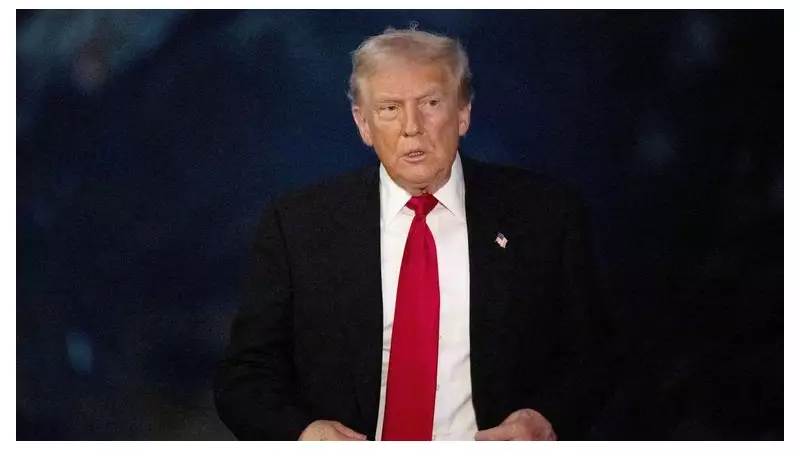
Reform UK leader Nigel Farage has stated that former US President Donald Trump was "very, very unhappy" with the BBC, following high-profile resignations at the corporation over a controversial documentary.
Resignations and the Panorama Fallout
The BBC's director general, Tim Davie, and the chief executive of BBC News, Deborah Turness, both announced their resignations on Sunday evening. This came after mounting criticism of a Panorama special that focused on Donald Trump.
The programme, which aired just a week before the 2024 US presidential election, was found to have spliced Mr Trump's speech from 6 January 2021 in a way that gave the impression of a direct call for violent action at the Capitol. An independent report by Michael Prescott, leaked to The Daily Telegraph, accused the documentary of being "neither balanced nor impartial".

Trump's Reaction and Accusations of Bias
Mr Farage disclosed that he had a phone call with Donald Trump on Friday, during which the former president expressed his extreme displeasure. Farage said he could not quote Trump's exact words before the watershed due to their nature.
He urged the public to "put yourself in Trump's shoes," questioning how they would feel if they were providing security guarantees to the UK and then were "stitched up on the eve of a national election." Farage went on to label the BBC's actions as "election interference."
On his Truth Social platform, Mr Trump himself accused Tim Davie and other top BBC figures of being "very dishonest people who tried to step on the scales of a presidential election."
Broader Implications and Political Responses
The chair of the BBC, Samir Shah, formally apologised in a letter to Parliament's culture, media and sport committee, accepting that the editing of the speech was an "error of judgement."
Politically, the incident has sparked wider debate. Liberal Democrat leader Sir Ed Davey called on other party leaders to condemn Mr Trump's attack on the BBC, describing it as a "serious threat to our national interest." He argued that foreign powers should not dictate news sources for the British public.
Dame Caroline Dinenage, chair of the culture committee, stated that while it was regrettable Mr Davie had to step down, she believed he was right to do so. She also criticised the BBC for being slow to react to the leaked Prescott report, a delay she believes will now influence the upcoming BBC Charter review, due for renewal in 2027.