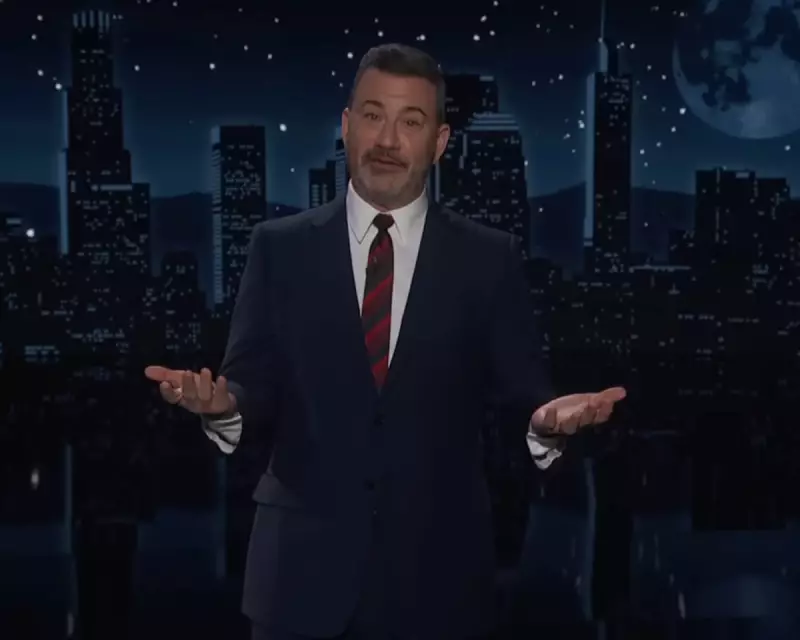
In a biting segment that has reverberated through political and entertainment circles, American late-night host Jimmy Kimmel used his platform to launch a comedic broadside against former President Donald Trump. The focus of Kimmel's satire was Trump's perceived intentions to influence the upcoming 2026 United States midterm elections.
Kimmel's Scathing Monologue Takes Aim
The monologue, delivered on January 16, 2026, dissected Trump's ongoing political activities with Kimmel's signature blend of incredulity and sharp wit. The comedian did not hold back, framing Trump's potential midterm involvement as a continuation of the political drama that has defined recent American history. Kimmel's critique extended beyond mere policy, delving into the former president's legal challenges and his enduring grip on a significant portion of the Republican base.
Central to the routine was the juxtaposition of Trump's statements and actions against the backdrop of the crucial midterm cycle. Kimmel highlighted the surreal nature of a former president, facing multiple legal proceedings, remaining a dominant force in national politics. The host employed a series of punchlines and prepared video clips to underscore his points, leaving his studio audience in stitches while making a pointed political commentary.

The Context of the 2026 Political Landscape
The timing of Kimmel's monologue is particularly significant. The 2026 midterms are viewed as a pivotal moment, potentially serving as a referendum on the current administration and a test of Trump's lasting influence. Kimmel tapped into the anxiety and fascination surrounding this event, using comedy to unpack complex political manoeuvring for a mainstream audience.
By focusing on Trump, Kimmel ensured his material connected with viewers familiar with the former president's tumultuous tenure and controversial post-presidency. The segment served as a reminder of how late-night television in the United States has evolved into a key arena for political discourse and critique, often setting the tone for how events are perceived by the public.
Reactions and the Role of Satire in Politics
While the immediate reaction in the studio was one of laughter, the monologue's implications are broader. Such performances contribute to the shaping of public perception, especially among viewers who consume news through entertainment formats. Kimmel's show joins others in a long tradition of using humour to challenge power, question narratives, and hold public figures to account.
The segment underscores the blurred lines between entertainment, journalism, and political analysis in modern media. For an international audience, particularly in the UK, it offers a window into the highly polarised and personality-driven nature of contemporary American politics. The fact that a comedian's take on a future election can generate significant headlines speaks volumes about the current political climate in the United States.
Ultimately, Jimmy Kimmel's January 2026 monologue stands as more than just a comedy bit. It is a cultural artifact that reflects the ongoing tensions within American democracy, the enduring celebrity of Donald Trump, and the powerful role that satirists play in framing national conversations as the country approaches another major electoral test.