The Irish government has launched a groundbreaking Basic Income for the Arts initiative that is transforming the lives of creative professionals across the nation. This innovative program provides €325 (approximately £283) per week to 2,000 eligible artists, following a successful pilot study that demonstrated the scheme not only recouped more than its net cost but significantly enhanced participant wellbeing.
A Lifeline for Struggling Artists
"This initiative effectively serves as a crucial subsidy allowing artists to concentrate on their creative work," explains Rory Carroll, the Guardian's Ireland correspondent. "Most participants were previously juggling multiple jobs alongside their artistic practice. The fundamental concept is that this financial support will facilitate artistic development, ease daily pressures, and ultimately benefit wider society through increased cultural output."
Real Experiences from Creative Professionals
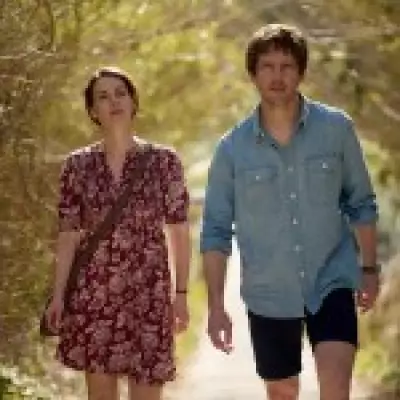
The program has already made substantial impacts on recipients' lives. Musician Louis Young and writer Caelainn Hogan have shared their personal experiences with the scheme, revealing how this financial stability has transformed their creative processes and reduced economic anxiety.

Caelainn Hogan advocates passionately for expanding the program, stating: "The reality for most artists involves constant financial struggle. Some months bring numerous commissions and projects that cover rent and basic expenses, while other months bring uncertainty about income sources. This unpredictability creates significant anxiety that directly impacts creative work."
Economic and Social Benefits
The pilot program's findings revealed remarkable economic efficiency, with the scheme recouping more than its total net cost through increased artistic production and reduced social welfare needs. Beyond financial metrics, participants reported substantial improvements in mental health, creative output quality, and overall life satisfaction.
A Model for Other Nations
Ireland's Basic Income for the Arts initiative represents one of the most comprehensive government-supported creative sector programs in Europe. By providing consistent financial support, the government aims to stabilize the artistic community, reduce economic precarity among cultural workers, and foster a more vibrant national arts scene.
The program's success metrics include not only economic returns but also qualitative improvements in artistic production, community engagement, and cultural innovation. As other nations observe Ireland's experiment with universal basic income principles applied specifically to the creative sector, this initiative may serve as a model for supporting artists worldwide.