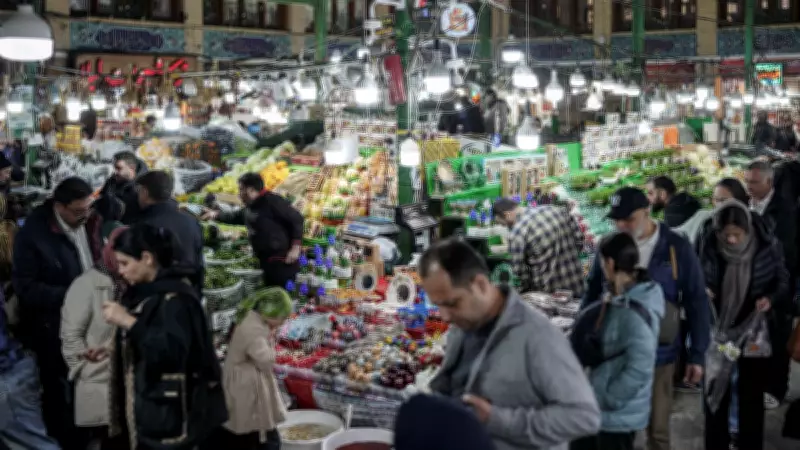
Iranians Navigate Nowruz Celebrations Amid Escalating Conflict
In Tehran and across Iran, citizens cautiously marked Nowruz, the Persian New Year, despite the ongoing war entering its fourth week. Heavy strikes echoed through the capital during one of the country's biggest holidays, as Tel Aviv claimed it had "acted alone" in targeting Iran's South Pars gasfield, a move that further intensified the conflict.
Donald Trump stated on Friday he was considering "winding down" military operations, posting on social media: "We are getting very close to meeting our objectives." However, Israeli Defence Minister Israel Katz warned that strikes would "intensify" in the coming week, with a "significant" rise in attacks.
Tradition Persists in the Face of War
Nowruz, celebrated across Central Asia, parts of the Caucasus, and among Kurds throughout the Middle East, marks the spring equinox and is traditionally seen as a time of renewal, hope, and new beginnings. Despite the war, some Iranians were determined to uphold this tradition. Ali, a 20-year-old vegetable seller in Tajrish Bazaar, noted that while most vendors had shuttered shops since the war began on 28 February, some market energy returned in the days leading up to Nowruz. People bought flowers, fresh greens, food, and symbolic items like decorated eggs and goldfish.

Darya, a 48-year-old painter in central Tehran, emphasized the importance of preserving traditions during difficult times. She celebrated with her husband Mohammad, 50, and daughter Masiha, 25, by laying out Haft Seen, a traditional table with seven symbolic items representing wishes for the year ahead.
Loss and Resilience in Tehran
For others, Nowruz brought profound loss. An airstrike on the Tehran Province Electricity Distribution Company in Shohada Square destroyed Erfan's pastry shop, Khooshe, a family business founded over 60 years ago. On Nowruz day, the shop sat with blown-out windows, destroyed shelves and ovens, and hanging wires. Erfan, 28, shared that business had already declined since anti-government protests in January, and now he focused on rebuilding. "We have always celebrated, but this year, I feel a lack of energy and motivation," he said, adding that change in Iran is needed but not through violence.
Memories of last year's Nowruz contrasted sharply with this year's subdued atmosphere. In previous celebrations, Tehran lit up with fireworks during Chaharshanbe Suri, the fire festival before the new year, with crowds gathering on hills, music filling streets, and rituals like jumping over bonfires. This year, streets remained largely empty, with only a handful of people lighting fires.
Economic and Emotional Toll on Businesses
Hassan, 56, who runs a flower shop in northern Tehran with his daughter Sajedeh, 26, faced significant challenges. At the war's start, they stocked flowers for Nowruz, but 90% went bad and had to be discarded. Sales dropped to about 5% of usual levels, as regular customers refrained from buying. Hassan's birthday, which falls on the first day of Nowruz, was typically celebrated at the shop with cake and crowds, but this year was quiet.
Sajedeh highlighted the importance of maintaining hope: "Even during war, even if we don't make sales, we have to keep the shop open. When people pass by and see the flowers, see the open shop, and the signs of life around them, it gives them hope." This sentiment underscores the resilience of Iranians as they balance cultural traditions with the harsh realities of conflict.