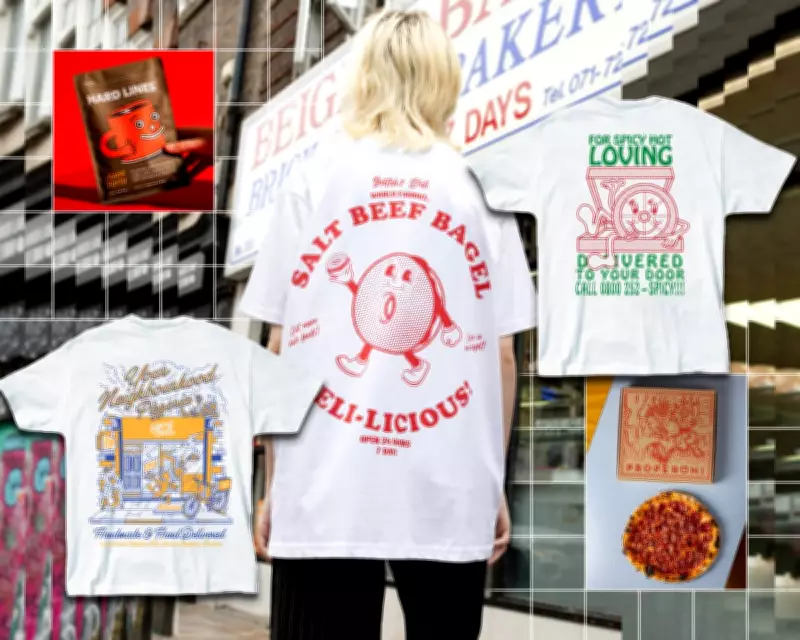
The Rise of Rubber Hose: Cartoon Characters Take Over Branding
From pizza boxes to coffee pouches, a whimsical cartoon style known as rubber hose is sweeping across product branding, infusing everyday items with playful characters. This trend features animated figures with exaggerated limbs and cheerful faces, seen on merchandise from Yard Sale Pizza T-shirts to Hard Lines House Party coffee packaging. Originating in 1920s animation, the style blends vintage aesthetics with modern indie sensibilities, creating a visual language that resonates with consumers seeking lightheartedness in a challenging world.
Origins and Evolution of the Rubber Hose Aesthetic
The rubber hose style dates back to early 20th-century cartoons, characterized by flailing, jointless limbs and expressive faces. It has evolved by incorporating elements from 1950s Americana, graffiti art, and ironic T-shirt designs from the early 2000s. Designers like Patrick Schmidt have fused influences from graffiti, tattoos, and underground comics to create a unique amalgamation that appeals to contemporary audiences. This approach has become a staple for independent businesses, offering a playful alternative to more serious corporate branding.
Why Brands Embrace Cartoon Characters
In an era marked by economic uncertainty and environmental concerns, the appeal of rubber hose design lies in its ability to evoke smiles and foster connection. Brands use these characters to humanize abstract concepts, soften their image, and signal independence. For instance, Yard Sale Pizza in London employs designs by Schmidt, such as a distressed chilli named Juan, to create memorable merchandise. Similarly, Top Cuvee wine labels feature boot-wearing grapes, extending the trend beyond food and drink into fashion collaborations with brands like Levi's.

Global Saturation and Criticisms
While initially popular in UK indie scenes, rubber hose design has spread globally, appearing in shops from Belgium to the United States. Karl Toomey, a Dublin-based designer, notes its saturation, arguing it taps into authentic sensibilities but risks losing meaning when adopted by large corporations. Critics like designer Ram Reyes decry the "templification" of the style, where easy access to digital templates on platforms like Canva leads to homogenized designs, undermining their handmade charm. This has sparked debates about creativity versus convenience in the design world.
Future Trends and Reactions
As rubber hose ubiquity grows, designers are exploring alternatives like "naive style," which emphasizes hand-drawn imperfections and childlike aesthetics. This shift reflects a broader reaction against mass-produced imagery, including AI-generated content. However, the cycle of trend adoption continues, with new styles quickly absorbed into digital tools. Despite criticisms, the enduring appeal of cartoon characters in branding highlights a desire for whimsy and authenticity in consumer culture, suggesting that while trends may evolve, the human touch remains valued.