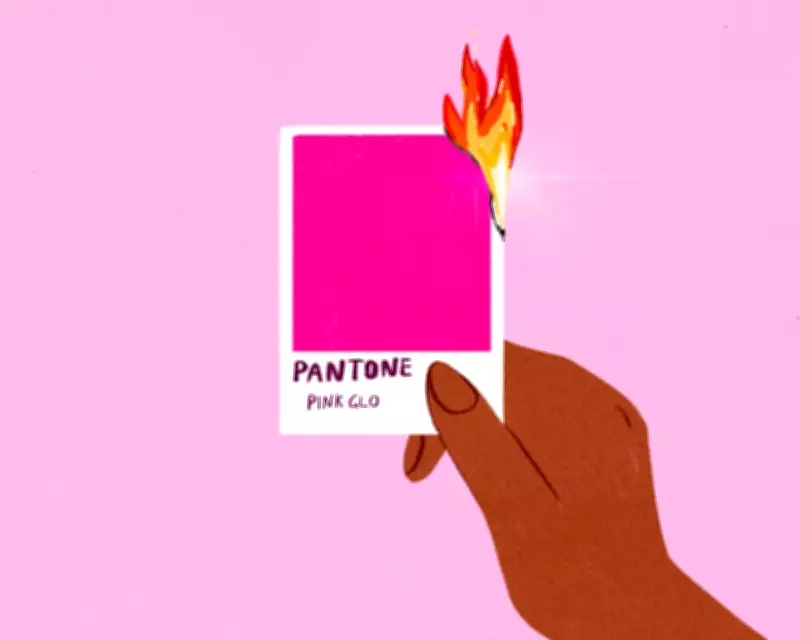
The Pink Problem: When Gender Marketing Ruins Simple Shopping Choices
Several years ago, I entered a major motorcycle store with a straightforward goal: find a classic leather jacket. I envisioned something simple with cafe-racer aesthetics in black or brown, devoid of unnecessary embellishments. This should have been an easy task, but what I discovered in the women's section left me utterly dismayed.
A Motorcycle Nightmare in Pink and Flowers
At the rear of the shop, tucked away as if in shame, sat the limited women's motorcycle jacket collection. My initial reaction was visceral disgust. Why were these jackets decorated with embroidered flowers and flowing cursive script? More perplexingly, why would anyone think pink belongs on motorcycle gear designed for serious riding?
The options presented a parade of gender stereotypes: one Kevlar jacket featured small pink flowers on a pocket, another displayed bubblegum pink piping around its panels, and a leather option had suspiciously pale pink stripes running from the shoulders. Through my frustration, the colors seemed to blur into a rose-tinted haze of marketing absurdity.

The Pink Invasion Extends to Workwear
My partner initially found my anti-pink rants amusing, but he proved surprisingly attentive. For my birthday, he gifted me steel-capped work boots for our perpetually under-construction home. As I unwrapped them, I encountered the dreaded pink laces - only to be rescued by his quick thinking as he produced replacement black laces with a triumphant grin.
When I needed a different size, my research revealed the shocking extent of this pink problem across major workwear retailers. The options included pink-flecked laces, pink-checkered lining, pink heel pull tags, pink stitching, pink piping, and even completely pink work boots. This relentless pinkification raises fundamental questions about product design and gender assumptions.
Beyond Comprehension: The Pink Warning System
The ridiculous notion that pink and its various shades must signify "HARK, THIS BE A WOMAN" defies logical comprehension. If these design choices aren't for women themselves, they must serve as signals for men - functioning as warning signs similar to how bright colors on poisonous frogs indicate danger. This reduces women's products to cautionary markers rather than functional items designed for actual use.
The ultimate frustration lies in how this pink-equals-feminine agenda corrupts genuine choice. There are moments when pink might be the preferred option, and occasions when floral patterns might appeal. Yet the pervasive gender coding makes such selections feel like capitulation to stereotypes rather than authentic personal preference.
This phenomenon extends beyond motorcycle gear and work boots to countless product categories, creating unnecessary barriers for women seeking functional, well-designed items without gendered embellishments. The solution isn't eliminating pink entirely, but rather offering genuine choice without predetermined gender associations.