Primary Colors Make a Fashion Comeback: Mastering Bold Hues in Daily Wear
Primary colors—red, yellow, and blue—are staging a dramatic return on fashion runways, yet styling these vibrant shades presents a unique challenge for everyday wear. Unlike sophisticated neutrals such as Armani greige or Pantone's Mocha Mousse, these bold hues evoke childhood simplicity but can feel overly loud and basic if not handled with care. For over a decade, muted tones like navy, grey, and black have dominated wardrobes, accented by soft shades like butter, olive green, and pale pink. However, recent fashion weeks in Paris, Milan, and beyond have showcased a shift, with designers at Celine, Alaïa, Prada, and Loewe embracing uncomplicated, primary colors in collections that range from rugby shirts to molded dresses.
Why Primary Colors Are Surprisingly Tricky to Wear
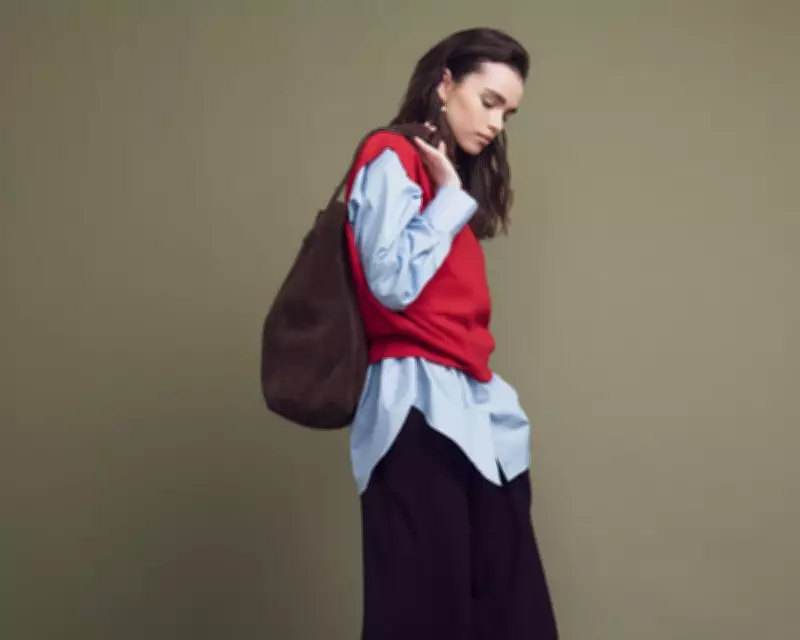
Despite their elementary nature, primary colors can appear shouty and lack depth, akin to speaking loudly without substance. The key to avoiding this pitfall lies in strategic styling that balances vibrancy with sophistication. For instance, pairing a bright red knit with dark trousers and a classic blue work-shirt sleeve creates a visual bridge, softening the contrast. Denim serves as an excellent neutralizer, making a bold coat or jacket appear more suave when combined with jeans. Similarly, olive khakis can effectively tone down a primary-colored top, adding a grounded element to the outfit.
Expert Styling Tricks for Real-World Application
When incorporating primary colors, consider these practical tips to enhance wearability:

- Use Texture to Temper Boldness: Opt for materials like brushed mohair or rich crepe, which add maturity and depth, preventing colors from feeling flat or overwhelming.
- Scale and Shape Matter: Confident, generous cuts in traffic-light hues appear more deliberate and purposeful than smaller, apologetic pieces like a neat cardigan.
- Balance with Black: Pairing bright colors with black works best when the black elements have drama—think leather trousers, high-waisted styles, or wide-leg designs—to create a balanced, stylish look.
- Lower the Volume: Wearing primary colors on the bottom half, such as a bright skirt with a white shirt, offers a bold yet refined statement.
- Accessorize Wisely: Start with accessories featuring exaggerated proportions or interesting hardware to experiment without full commitment.
Combining Primary Colors with Confidence
Primary colors do not need to stand alone; combinations can elevate an outfit. Red and blue evoke a classic, collegiate feel, while blue and yellow provide a fresh, flattering contrast. The crucial rule is to limit the palette: two colors exude confidence, three introduce risk, and four can become overwhelming. By applying these techniques, fashion enthusiasts can seamlessly integrate runway trends into daily life, transforming primary colors from challenging to chic.