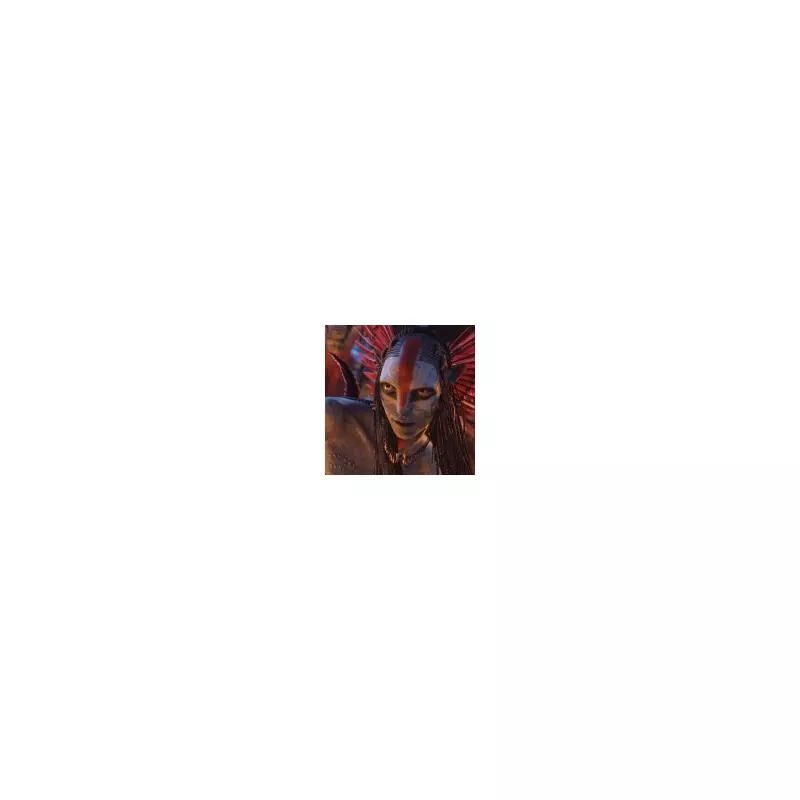
James Cameron's latest cinematic voyage to Pandora, Avatar: Fire and Ash, has finally landed in cinemas, boasting the director's signature visual spectacle alongside a daunting 197-minute runtime. While the film delivers breathtaking imagery, its extended length and a sense of narrative repetition pose significant challenges, potentially testing the patience of even the most devoted fans.
A Spectacle That Tests Endurance
Released on Friday, December 19, 2025, the third instalment in the sci-fi epic picks up one year after the events of Avatar: The Way of Water. The Sully family is still reeling from the loss of Neteyam, with the story shifting focus towards the younger generation. Lo'ak, played by Britain Dalton, takes on a narrative role as he deals with grief and guilt, while trying to support his parents, Jake and Neytiri (Sam Worthington and Zoe Saldaña), in their ongoing war.
Despite maintaining a surprisingly pacey flow for its immense length, the film's duration becomes physically palpable. The experience of watching Fire and Ash is undeniably immersive, yet many viewers will find their attention waning as the clock passes the three-hour mark, a testament to the film's struggle to justify every minute of its 3 hour and 17 minute journey.

New Villain Shines Amid Familiar Beats
The plot introduces a deadly new threat as an aggressive Na'vi tribe, the Mangkwan clan, allies with the resurrected Colonel Quaritch (Stephen Lang). The standout performance comes from Oona Chaplin as the Mangkwan leader Varang, whose simmering rage and unpredictable energy inject a much-needed spark into the narrative. She successfully upends the established dynamics of Pandora.
However, the screenplay, penned by James Cameron, Rick Jaffa, and Amanda Silver, often feels like a retread of familiar territory. The central conflict again revolves around the Sullys being targeted by the RDA, building towards another large-scale climactic battle. This sense of déjà vu, where sections feel "copy and paste" from the previous film, prevents Fire and Ash from reaching the narrative highs of The Way of Water.
The Future of Pandora Hangs in the Balance
This instalment strongly feels like a bridge, setting the stage for Cameron's ambitious plans for Avatar 4 and 5. The director has previously warned that the third film must "make a lot of money" to greenlight the remaining sequels. This comes after the first two films achieved a combined box office haul of over $5.2 billion (£3.88bn), setting a incredibly high bar for success.
It would be remiss not to emphasise the film's monumental technical achievement. The visual effects remain peerless, with stunning details in water simulation, skin texture, and nuanced Na'vi facial expressions that beautifully translate the actors' real-life performances. This ground-breaking VFX work continues to set a standard untouched by any other contemporary franchise.
In conclusion, Avatar: Fire and Ash delivers the unparalleled spectacle audiences expect, but its gargantuan length and repetitive plot elements mark it as a slight letdown compared to its predecessors. Whether this signals audience fatigue or simply a mid-saga stumble will be revealed by its crucial box office performance in the coming weeks.