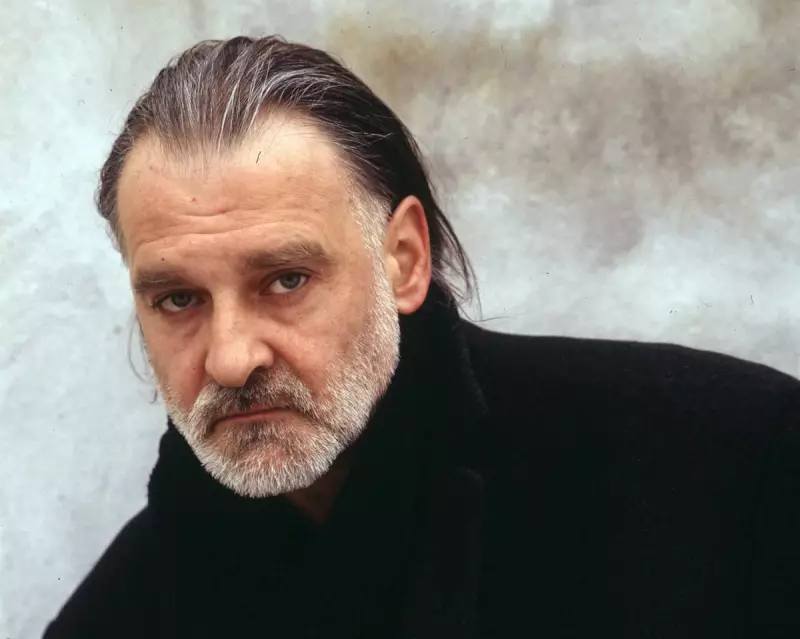
The world of cinema has lost one of its most distinctive voices with the death of Hungarian director Béla Tarr at the age of 70. The internationally acclaimed film-maker, renowned for his lengthy, beautifully shot, and philosophically dense black-and-white epics, passed away on Tuesday following a long illness. The news was confirmed by the Hungarian Film Artists Association, which requested privacy for his grieving family.
A Cinematic Visionary Misunderstood as a Pessimist
Béla Tarr first gained widespread international recognition in the 1990s and 2000s. His films, including the monumental seven-and-a-half-hour Sátántangó, became synonymous with a certain stark, middle-European aesthetic. Critics often labelled his work as the pinnacle of cinematic miserablism. However, in a revealing 2024 interview with The Guardian, Tarr pushed back against this characterisation.
"My opinion is that we were doing comedies. You can laugh a lot," he told journalist Peter Bradshaw. He insisted his films were not pessimistic, posing a fundamental question to audiences: "How did you feel when you came out of the movie theatre after watching my film? Did you feel stronger or weaker? That’s the main question. I want you to be stronger."

From Realist Roots to Hypnotic Arabesques
Tarr's journey in film began early. Born in Budapest in 1955 to parents working in theatre, he was a child actor before starting to make documentary shorts as a teenager. His feature debut, Family Nest in 1979, was a gritty realist drama addressing Hungary's housing crisis. "We just wanted to show the reality – anti-movies," he later said of this period.
His style underwent a radical transformation with 1988's Damnation, the first of several collaborations with writer László Krasznahorkai. This film introduced the hypnotic, long-take visual poetry that would define his later work. It was described by critic Jonathan Rosenbaum as a "spellbinding arabesque." This evolution culminated in 1994's Sátántangó, adapted from Krasznahorkai's novel, which remains a towering landmark of visionary cinema.
International Acclaim and a Lasting Legacy
Tarr, often working with his partner Ágnes Hranitzky as co-director and editor, achieved a major international breakthrough with 2000's Werckmeister Harmonies. This fable about a dead whale arriving in a provincial town masterfully deployed his signature style: stark black-and-white photography, meticulously choreographed long takes, and a haunting, deliberate pace. The film's success allowed him to attract stars like Tilda Swinton for his 2008 adaptation of Simenon's The Man from London.
His final film as director was 2011's The Turin Horse, a stark and powerful meditation on the heaviness of existence. After retiring from directing, Tarr faced difficulties under Hungary's right-wing government and subsequently founded the film.factory film school in Sarajevo, nurturing a new generation of film-makers.
Béla Tarr's influence is vast, touching directors from Gus Van Sant to his Hungarian compatriot László Nemes, who served as his assistant. He leaves behind a body of work that challenges, mesmerises, and, in his own words, seeks to make its viewers feel stronger in confronting the complexities of the world.