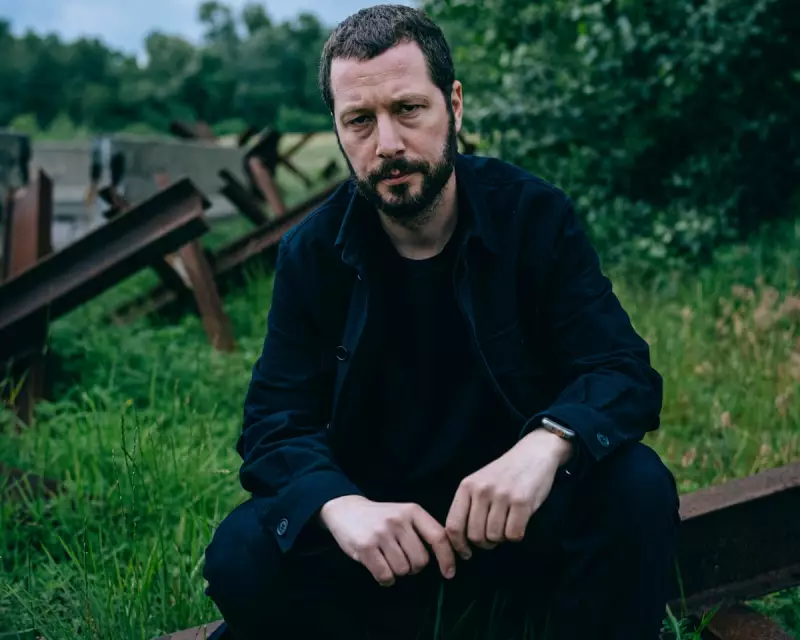
Ukrainian documentary film-maker Mstyslav Chernov has spoken of the jarring dissonance of moving between the glamour of the international Oscar circuit and the brutal reality of his nation's frontlines, a journey that directly inspired his latest film.
From red carpets to the trenches
Chernov, whose harrowing film 20 Days in Mariupol earned an Academy Award nomination, was promoting that work to Western audiences when he felt compelled to return to the war zone. He described emerging from the devastation of Mariupol only to witness further atrocities in Bucha and the relentless bombing of his hometown, Kharkiv. While editing the Mariupol documentary, he actively sought a new story that would counter the narrative of Ukraine as a passive victim.
"I wanted to tell another story which would have an opposite direction," Chernov explained, "to show some sort of agency, some sort of strength and response to that violence, when Ukrainians push back." This search led him to create 2000 Meters to Andriivka, named the Guardian's number two film of 2025.

The director highlighted the surreal contrast of his life in mid-2023. As his film saw theatrical release alongside blockbusters like 'Barbie' and 'Oppenheimer', he participated in Q&A sessions and walked red carpets in peaceful European and American cities. Simultaneously, he would travel back to Ukraine, navigating a complex journey to the front, where he found a world that felt like "another planet, or 100 years backward in time." This collision of realities became a central theme of his new work.
A film about distance and defiance
2000 Meters to Andriivka evolved into a meditation on profound distances. Chernov stated it is not solely about the reality of combat or the humanity of soldiers in foxholes, but also about "the distance between Europe and Ukraine, between Ukrainian society and people in the trenches."
He addressed the growing feeling of abandonment felt by many Ukrainians in 2025, as international support appeared to waver and missile attacks on civilians intensified. Yet, he observed a powerful counter-reaction. "When we feel distressed, when we feel abandoned, we unite. And then we give each other strength through that," he said, praising the resilience of both Ukrainians and humans in general. He argued that Russia's strategy of bombing cities to fracture Ukrainian society is a "huge mistake" that will not succeed.
The film's reception in Ukraine has been significant, with over 70,000 people attending cinema screenings during wartime. Chernov believes this reflects a public appreciation for the film's raw realism and its acknowledgment of collective sacrifice, particularly at a time when global discourse often suggests ceding territory like Andriivka for peace.
Hope found in the forest
While Chernov insists his film is a memorial document rather than a piece of propaganda, he does hope international audiences grasp a crucial distinction. "I want the audience to see how futile and terrible this entire concept of war is... But at the same time, that the self-defence of Ukrainians isn't futile," he emphasised, countering a narrative he hears from some foreign politicians.
When asked about hope for 2026, the director pointed to the lessons learned while making the film in a war-torn forest. He entered with a sense of hopelessness but found light in the people around him. He witnessed trees destroyed by artillery beginning to grow back and met soldiers who continued to defend their land and families despite overwhelming odds and personal risk.
"That gives me hope that Ukraine, however hard it will be, will remain," Chernov concluded, finding resilience in the very landscape and people his documentary memorialises.