Daisy Ridley, best known for her role in the Star Wars saga, takes on the undead in a new, more sombre horror offering. The film, We Bury the Dead, directed by Australian filmmaker Zak Hilditch, attempts to breathe fresh life into the well-worn zombie genre by focusing less on carnage and more on the profound human cost of loss.
A Different Kind of Undead Threat
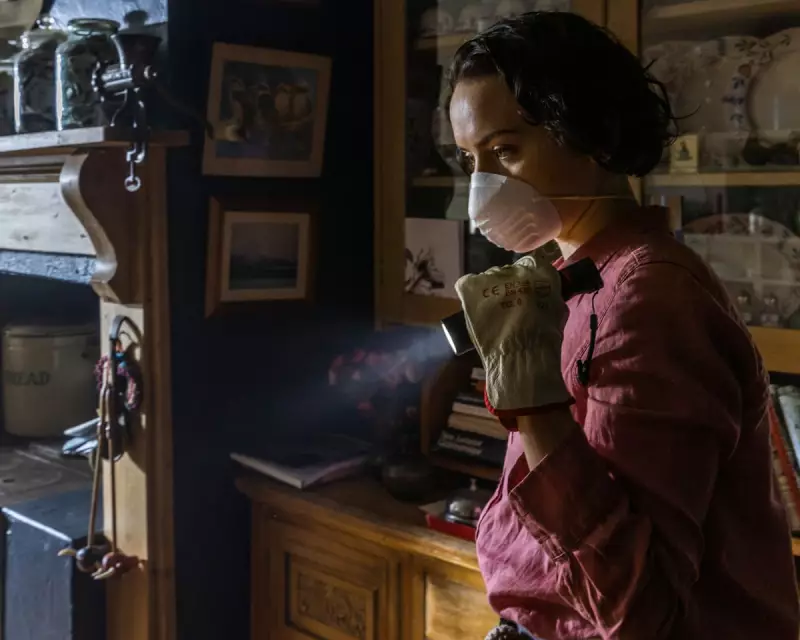
The premise of the film feels unnervingly plausible. Following a catastrophic military accident involving a weapon of mass destruction – a blunder attributed to the US government – around half a million people perish in Tasmania. Ridley plays Ava, an American woman who travels to the disaster zone after her husband is killed. She joins a volunteer body retrieval team, but her true motive is personal: to find her husband's remains in an off-limits, fire-ravaged area.
Her presence is met with resentment by some locals who blame Americans for the tragedy, but she finds an ally in a brusque rule-breaker named Clay, portrayed by Brenton Thwaites. Their mission takes a bizarre turn when they discover that some of the corpses are not staying dead. However, unlike typical zombie fare, the reanimation is treated with curiosity rather than immediate panic, at least until the later, more agitated stages.

Ridley's Powerful, Understated Performance
The film's strength lies in Daisy Ridley's impressively modulated performance. Steering clear of a blockbuster persona, she portrays Ava's quiet, gnawing grief with palpable authenticity. Her character is light on dialogue, requiring Ridley to convey a world of pain and determination through her physicality and nuanced facial expressions. She effectively embodies someone navigating a frightening new reality while processing the terrifying finality of her loss.
This role continues Ridley's successful pivot to smaller, character-driven projects following her Star Wars tenure, such as Sometimes I Think About Dying and the thriller Magpie. In We Bury the Dead, she brings real emotional depth to a protagonist who could have been underwritten, making her personal quest the compelling heart of the film.
Visual Confidence Amid Tonal Shifts
Director Zak Hilditch, who previously directed the Netflix horror 1922, demonstrates a confident eye for visuals. He makes excellent use of the natural landscape, employing stunning shots that make the film feel larger than its budget. There are successful moments where the tone deftly shifts, such as a poignant sequence involving a grieving soldier.
However, the film occasionally struggles with inconsistent pacing. Quiet, reflective scenes are sometimes jarringly followed by moments scored with loud, needle-drop tracks or by fairly standard zombie action. The finale, while aiming for philosophical weight, poses a question about coexistence with the undead that feels familiar, notably echoing themes explored in last year's 28 Years Later.
Ultimately, We Bury the Dead is a solid, if not groundbreaking, entry in the zombie genre. It distinguishes itself by prioritising a human story of mourning over relentless gore, a choice that will resonate with some viewers more than others. For those fatigued by mindless shamblers, Ridley's heartfelt performance and the film's contemplative approach offer a worthwhile, if slightly uneven, experience. The film is out now for digital rental in the UK and will be released in Australian cinemas on 5 February.