The world of cinema has lost one of its most influential and enduring voices. Frederick Wiseman, the American documentary filmmaker whose groundbreaking work defined the direct cinema movement, has died at the age of 96. His passing marks the end of an era for non-fiction filmmaking, leaving behind a monumental legacy of over 40 feature-length documentaries.
A Pioneer of Observational Cinema
Wiseman was renowned for his immersive, fly-on-the-wall approach to documentary filmmaking. He pioneered a style often described as "direct cinema," characterized by its lack of narration, interviews, or overt editorializing. Instead, his films presented raw, extended observations of institutions, allowing viewers to draw their own conclusions from the unfolding reality.
An Unflinching Look at American Life
His filmography serves as a profound and often critical examination of American society. Beginning with his controversial 1967 debut, Titicut Follies, which exposed conditions at a Massachusetts institution for the criminally insane, Wiseman dedicated his career to scrutinizing the inner workings of various public and private institutions.

Over the decades, his lens turned to high schools, hospitals, police departments, welfare offices, and even a boxing gym. Films like High School (1968), Hospital (1970), and Law and Order (1969) became landmark studies of their respective subjects, celebrated for their depth, patience, and unvarnished honesty.
A Legacy of Awards and Acclaim
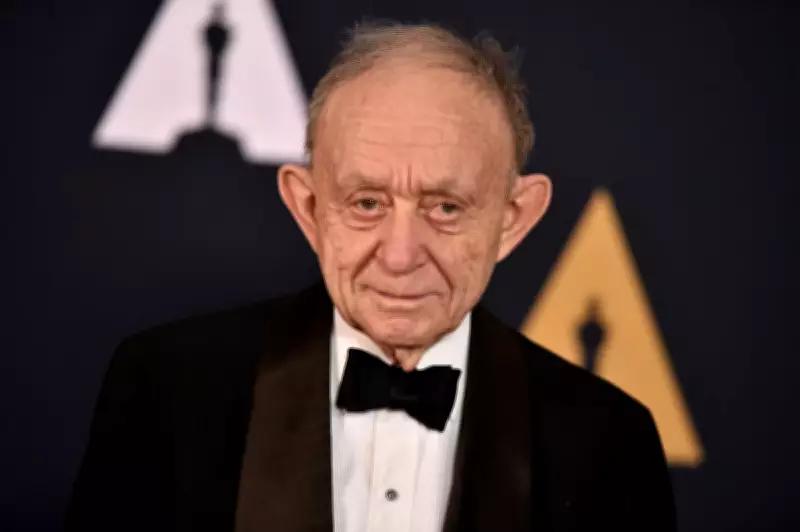
Wiseman's contributions were recognized with numerous prestigious awards throughout his long career. He received an Honorary Academy Award in 2016 for his lifetime of work, a testament to his impact on the art of film. His later works, including Ex Libris: The New York Public Library (2017) and City Hall (2020), continued to receive critical acclaim, proving his relevance and artistic vigor well into his nineties.
The Enduring Impact of His Work
Frederick Wiseman's death is a profound loss for global cinema. His unique methodology and unwavering commitment to truth-telling influenced generations of filmmakers, journalists, and artists. His films are not merely records but complex, humane portraits that challenge audiences to see the world with greater clarity and empathy. His body of work stands as an indispensable archive of 20th and 21st-century institutional life, ensuring his voice will continue to resonate for decades to come.