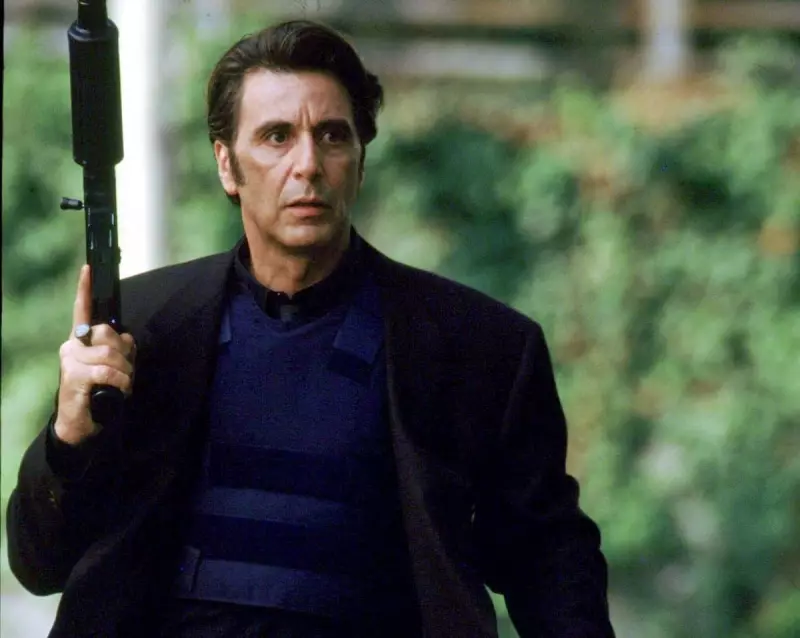
Thirty years to the day since it first scorched cinema screens, Michael Mann's 1995 crime epic 'Heat' continues to burn with an intensity few films have matched. The landmark thriller, which united acting titans Al Pacino and Robert De Niro on screen for the first time, is far more than a simple cops-and-robbers saga. It is a sprawling, melancholic portrait of obsession, professionalism, and the profound loneliness that comes with a life dedicated to a singular, all-consuming craft.
The Duel That Defined a Genre
The pre-release hype in December 1995 was unprecedented, built entirely on the promise of seeing Pacino and De Niro—two legends often spoken of in the same breath—finally share a scene. The film's narrative expertly stokes this anticipation, delaying the first on-screen confrontation between Pacino's volatile LAPD detective Vincent Hanna and De Niro's meticulous career criminal Neil McCauley for a gripping 90 minutes.
When the moment arrives, it subverts expectations with brilliant subtlety. Instead of a fiery showdown, the two men meet for a quietly civil cup of coffee. Inspired by a real 1964 meeting between detective Chuck Adamson and the thief he pursued, this scene strips away the bravado. In a brief ceasefire, these opposing forces see not an enemy, but a mirror image of their own isolation, their lives hollowed out by the very work that defines them.

More Than Thunderous Action
While Heat is rightly famed for its technically unparalleled action sequences—most notably the earth-shattering downtown Los Angeles bank heist and shootout—its true power lies in its emotional depth. Mann uses the framework of a cat-and-mouse thriller to lay out a tapestry of lost souls adrift in the city's industrial sprawl.
The film is, at its core, a tragic study of work-life balance, or the utter lack thereof. McCauley's infamous personal code—"allow nothing in your life that you cannot walk out on in 30 seconds flat if you spot the heat around the corner"—is the chilling philosophy that seals his fate and that of those around him. The despair in Heat lingers in the sacrifices made: neglected wives, broken relationships, and the constant prioritisation of the job over any human connection.
A Legacy Cast in Shadow and Neon
Heat represented the zenith of a style Mann had been honing since his feature debut Thief. Its influence is vast and immediately recognisable. From the urban warfare of 'The Dark Knight' to the procedural grit of series like HBO's Task, Mann's masterpiece casts a long shadow. Its DNA is found in the gravitas, the detailed professionalism of its criminals and cops, and the lyrical depiction of a city at night.
The film also confronts its own tropes with a clear-eyed ruthlessness. The fate of Dennis Haysbert's character, Breedan—a parolee exploited by a corrupt employer and then by McCauley—is presented not as a throwaway plot point, but as a devastating loss. The anguish on his partner Lillian's face, hearing of his death on a news bulletin, carries the profound sadness that the male leads often cannot express.
Three decades later, Heat stands as a monumental achievement. It is both a relentlessly thrilling action film and a deeply sad, philosophical drama about the cost of living by an extreme code. Its duelling lead performances, its revolutionary sound design, and its haunting score have ensured its status not just as a high point of 1990s cinema, but as a permanent fixture in the pantheon of great American films. As Mann himself develops a long-awaited sequel, the original's fiery brilliance shows no sign of cooling.