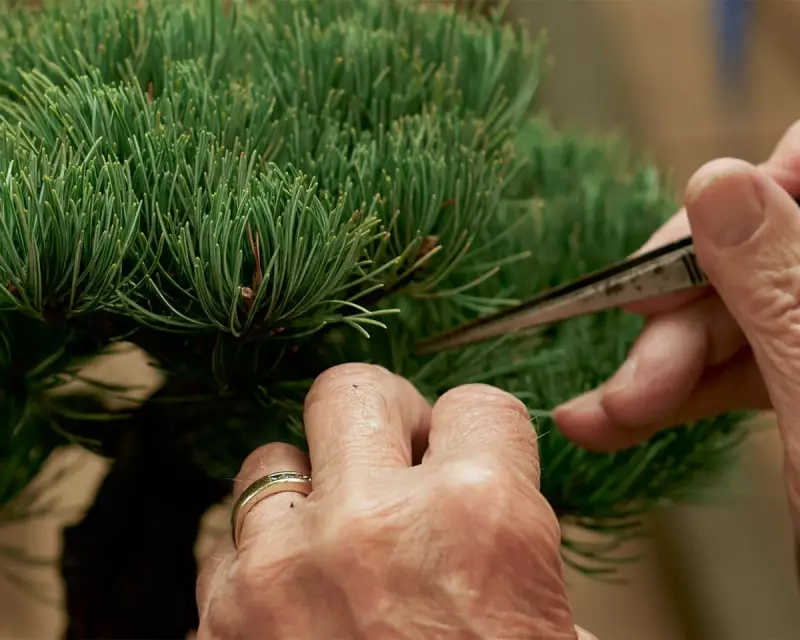
In a cinematic landscape often dominated by explosive blockbusters, a new British science fiction film is taking root with a far quieter, yet profoundly unsettling, premise. ‘Light Needs,’ the debut feature from director Jessica Marsh, premiered in UK cinemas on Friday, 19 December 2025. It ventures into the speculative realm of plant sentience, weaving a narrative that is as much a psychological thriller as it is a poignant meditation on ecological grief.
A Botanical Mystery Unfolds
The film centres on Elara, a dedicated botanist portrayed with captivating intensity by actress Anya Petrova. Her life’s work is upended when she makes a startling discovery in her laboratory: evidence suggesting the plants she studies are not merely reacting to stimuli, but are actively communicating—and the messages are growing increasingly distressed. Marsh masterfully builds tension not through special effects, but through a creeping sense of dread, using the silent, verdant life of the laboratory as the film’s most potent character.
As Elara delves deeper, her professional curiosity spirals into a personal obsession. The line between scientific observation and paranoid delusion begins to blur, isolating her from colleagues and loved ones. The film’s sound design, a haunting mix of amplified biological processes and dissonant strings, plays a crucial role in immersing the audience in Elara’s fracturing reality. Critics have noted that Petrova’s performance is a masterclass in restrained anxiety, conveying volumes through a glance or the careful handling of a leaf.

More Than Sci-Fi: A Reflection on Climate Anxiety
While the premise is firmly in the realm of science fiction, ‘Light Needs’ resonates deeply with contemporary environmental anxieties. Marsh has stated in interviews that the film is intended as an allegory for climate grief—the profound sorrow and helplessness felt in the face of ecological collapse. The plants’ silent suffering becomes a mirror for the planet’s distress, and humanity’s failure to comprehend it serves as a sharp critique of our disconnect from the natural world.
The cinematography, led by DOP Ben Carter, juxtaposes sterile, fluorescent-lit lab environments with lush, almost overwhelmingly vibrant scenes of untamed nature. This visual contrast underscores the central conflict between controlled study and the wild, unknowable complexity of life itself. The film asks uncomfortable questions about consciousness, responsibility, and what we choose to hear—or ignore.
Critical Reception and Viewer Impact
Early reviews have praised the film for its intellectual ambition and atmospheric power. While some have found its pace deliberately slow, most agree that its haunting imagery and central performance linger long after the credits roll. It has been described as ‘a chilling whisper of a film’ and ‘a unique entry into the eco-horror genre.’
For audiences, ‘Light Needs’ promises an experience that is less about outright fright and more about a sustained, deeply atmospheric unease. It is a film that encourages viewers to look at the green world around them with a new, and perhaps more wary, perspective. In an era defined by environmental crisis, Marsh’s debut suggests that the most terrifying frontier may not be outer space, but the quiet, photosynthesising life we walk past every day.
By framing the climate emergency through the lens of personal obsession and speculative biology, ‘Light Needs’ achieves something remarkable: it makes the vast, abstract tragedy of ecological loss feel intimately, terrifyingly personal. It is a bold and thoughtful debut that establishes Jessica Marsh as a distinctive new voice in British filmmaking.