The revelation that a film you adore can still surprise you years later is a testament to its depth. This was the experience for many upon revisiting Misery, the 1990 psychological horror masterpiece directed by Rob Reiner. The film, adapted from Stephen King's novel, remains a chilling study in obsession, yet its creation by a filmmaker renowned for his warmth and comedic touch seems an enduring paradox.
The Heart Behind the Horror
Rob Reiner's defining characteristic as a director was his innate likeability and absence of cynicism—a rare trait in Hollywood. This fundamental warmth made the news of his passing particularly jarring for audiences who felt they knew him through his work. His filmography, spanning romantic comedy (When Harry Met Sally) to coming-of-age story (Stand by Me), is marked by intelligence and sophistication, but never cruelty.
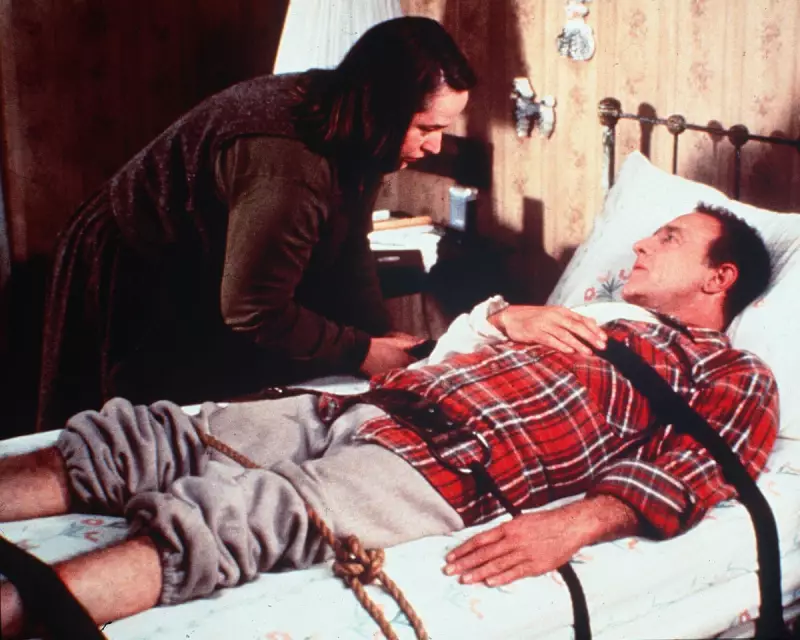
This presented a unique challenge with Misery, a story about novelist Paul Sheldon (James Caan) being imprisoned and tortured by his "number one fan," Annie Wilkes (Kathy Bates). Reiner was too much of a consummate showman to deliver a straightforward, grim shocker. Instead, he infused the terror with a rich, almost theatrical sensibility that elevated the material.

A New York Sensibility in a Colorado Nightmare
Reiner's approach can be traced to his roots. The son of comedy legend Carl Reiner, he inherited a New York camp sensibility—sharp, sardonic, but never hollow. This tone permeates Misery, preventing it from descending into mere brutality. The film's beloved status stems not just from King's terrifying premise or William Goldman's taut script, but from this distinctive directorial brushstroke.
Key elements signal this as a Reiner film: Kathy Bates's performance, blending a slight falsetto with maniacal girlishness; James Caan's rugged, incredulous desperation; and the deliberate casting of Hollywood icons like Lauren Bacall as Sheldon's agent and the wonderfully gentle Richard Farnsworth as Sheriff Buster. These choices root the horror in a recognisable, almost classic Hollywood world.
A Legacy of Joyful Terror
The film operates as a dark cousin to classics like Whatever Happened to Baby Jane?, relishing the grotesque while showcasing Reiner's clear delight in his actors, particularly Bates's Oscar-winning tour de force. Despite its primary goal to thrill and frighten, Misery is imbued with an abundance—a generosity of spirit and a flash of macabre humour that feels like an expression of directorial joy.
Reiner's golden run in the late 80s and early 90s demonstrated his unparalleled versatility. Misery stands as his rare, triumphant foray into horror, a film with "not a second of wasted time." It proves that a director known for his heart could masterfully explore darkness, leaving behind a work that is as rich, terrifying, and cherished today as it was upon its release in 1990.