In the world of cinematic catastrophe, a familiar skyline is once again under threat. The release of the trailer for Gerard Butler's Greenland 2 showcases the now-standard spectacle of global landmarks being obliterated, this time featuring a half-destroyed Sydney Opera House and a listing Eiffel Tower. This prompts a pressing question for the film industry: isn't it time to mix things up?
The Tired Playbook of Cinematic Destruction
New research from the insurance firm MS Amlin has compiled a definitive list of the world's most frequently demolished cinematic icons, revealing a startling lack of imagination in Hollywood's blockbuster playbook. The data proves that filmmakers consistently return to a shallow pool of familiar targets when depicting global calamity.
Leading the pack is the Statue of Liberty, which has faced annihilation in a staggering 19 separate films. This list includes classics and curios alike, from Planet of the Apes and Independence Day to National Lampoon's European Vacation and Cloverfield.

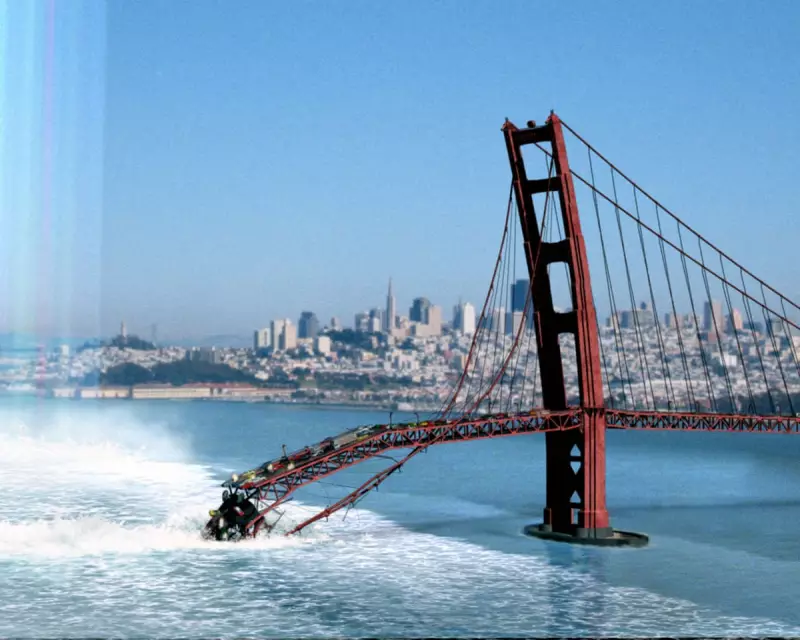
Close behind is the Golden Gate Bridge, wrecked at least 13 times in movies such as Superman, Terminator: Genisys, and San Andreas. London's Big Ben and the Houses of Parliament have also endured their share of fictional disasters, being targeted on at least nine occasions in films like V for Vendetta, London Has Fallen, and Reign of Fire.
A Clichéd Catalogue of Collapse
The Eiffel Tower is another perennial favourite for directors seeking an easy visual shorthand for European devastation. Prior to its latest toppling in the Greenland sequel, it had already been felled in Armageddon, Mars Attacks!, and even Cloudy with a Chance of Meatballs.
Similarly, the Sydney Opera House has been demolished in X-Men: Apocalypse and Godzilla: Final Wars. While these scenes are designed to elicit awe, for many audiences they now provoke a weary sense of déjà vu. The repetitive nature of this trope suggests a creative bankruptcy at the heart of big-budget disaster filmmaking.
Cinematic Precedents for More Inventive Mayhem
This reliance on cliché is not an inevitability. History provides examples of filmmakers choosing more inventive and resonant locations for their fictional destruction. In the 1925 silent film The Lost World, director Harry O. Hoyt had a dinosaur destroy the Blue Posts pub in Soho, a far more localised and surprising target.
More recently, Alfonso Cuarón selected the seaside town of Bexhill-on-Sea to depict societal collapse in Children of Men, creating a chillingly believable dystopia. Even Marvel Studios, for its epic superhero clash in Captain America: Civil War, opted for the unconventional battleground of Leipzig/Halle Airport.
These choices feel fresher and more engaging because they break from the predictable pattern. They force audiences to see destruction in a new light, rather than ticking off a checklist of global icons.
The call is clear: the next time aliens invade or a meteor shower threatens Earth, perhaps they could target Telford's whimsical Frog Clock or the Cleethorpes Coast Light Railway. By shifting focus away from the overexposed monuments of Paris, London, and New York, filmmakers could rediscover a sense of genuine surprise and inject much-needed originality into the disaster genre. The cinematic world is vast; it's time its fictional apocalypses reflected that.