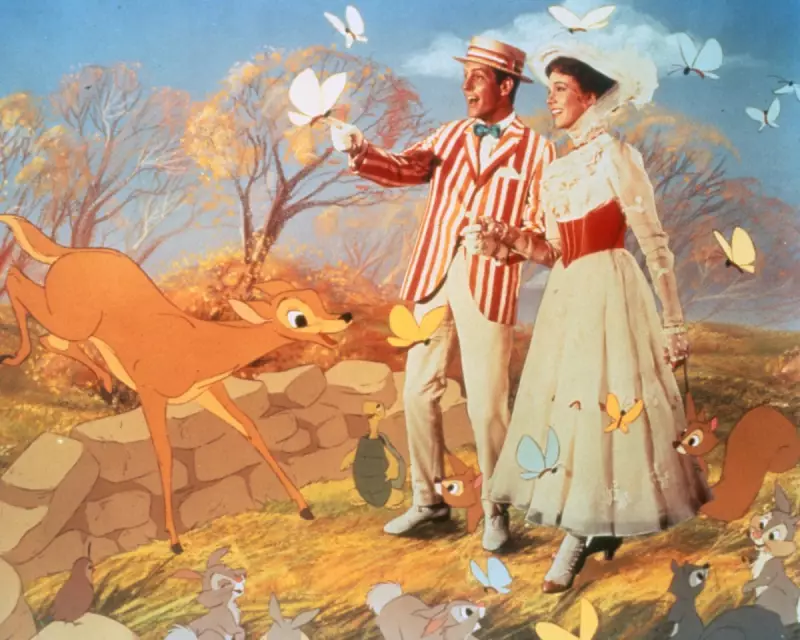
A new, meticulously researched book pulls back the curtain on the creation of one of cinema's most cherished musicals, revealing the unsung architects of its magic. While generations have marvelled at the on-screen perfection of Julie Andrews and Dick Van Dyke in Disney's 1964 classic, Mary Poppins, the true engine of its success was a songwriting duo working tirelessly behind the scenes.
The Sherman Brothers: Disney's Secret Weapon
In Making Mary Poppins, Disney historian Todd James Pierce shifts the focus from the stars to the composers. The project became a biography of Bob and Dick Sherman, the immigrant sons of a Kyiv-born musician. These jobbing Los Angeles songwriters, whose work included the future global earworm It's a Small World (After All), caught the ear of Walt Disney himself.
In a surprising move, Walt entrusted "the boys," who had never before developed a screenplay, with his 20-year passion project. Their monumental task was to adapt P.L. Travers's series of short stories into a cohesive cinematic narrative, achieved primarily by writing songs first and constructing the plot around them.

A Clash of Creative Cultures
The book delves into the profound culture gap between the Disney machine and the formidable original author, P.L. Travers. She was horrified by the softening of her spiky, magical nanny, who in the books was less inclined to sing lullabies and more likely to suggest baking birds into pies.
Travers imposed a list of strict conditions before selling the rights. She demanded an all-British cast (a rule famously broken by Dick Van Dyke's Cockney Bert) and even made Walt Disney promise no red would appear in the film. Pierce details her resistance, quoting Bob Sherman: "She didn't like anything we wrote … she chopped us apart."
Secrets from the Disney Vault
Pierce's archival research unearths fascinating production details familiar and fresh. Fans will recognise the origin of Supercalifragilisticexpialidocious, based on a nonsense word from the brothers' 1930s summer camp. The song Sister Suffragette was reportedly cobbled together quickly to appease actor Glynis Johns, who mistakenly believed she was being cast as Mary Poppins.
Less known are the "lost" sequences, including a flying sofa and a magical global zoo trip, elements that later found a home in Bedknobs and Broomsticks. The book also explains the pioneering use of sodium vapour "yellow-screen" technology to blend live action and animation seamlessly.
While Pierce's account is praised as comprehensive and illuminating, it is noted as a more dutiful, scholarly companion to the emotive Hollywood portrayal in the 2013 film Saving Mr. Banks. One charming mystery, however, remains untouched by research: just how did Mary Poppins pour different coloured medicines from the same bottle? Some magic, it seems, defies even the most thorough historian.