In an era of global instability and public scepticism, espionage thrillers are dominating our screens more than ever. With the return of shows like The Night Manager, the timeless appeal of the spy genre is undeniable. But who truly reigns supreme in the shadowy world of television espionage? We've compiled and ranked the definitive list of the top 20 small-screen spooks, from cold war veterans to crime-fighting rodents.
The Contenders: A Century of Espionage
Our list spans decades of television history, beginning with the suave Napoleon Solo (Robert Vaughn) from The Man from UNCLE (1964-1968). This Cary Grant-alike and his Russian partner Illya Kuryakin set an early template, battling the absurdly named THRUSH organisation. Fast forward to the modern day, and the stakes feel more real with characters like Tamar Rabinyan (Niv Sultan) in Apple TV+'s Tehran, a Mossad hacker on a perilous mission in Iran, a series which made history as the first Israeli show to win an Emmy.
The spectrum of spycraft is vast. It includes the bionic heroics of Steve Austin (Lee Majors) in The Six Million Dollar Man (1973-1978) and the gritty, grim reality of David Callan (Edward Woodward) in the hard-boiled 1970s drama Callan. From French flair in The Bureau (2015-2020) with Mathieu Kassovitz's troubled 'Malotru', to the cold war tensions of Deutschland 83's Martin Rauch (Jonas Nay), the genre constantly reinvents itself.

Modern Icons and Cult Classics
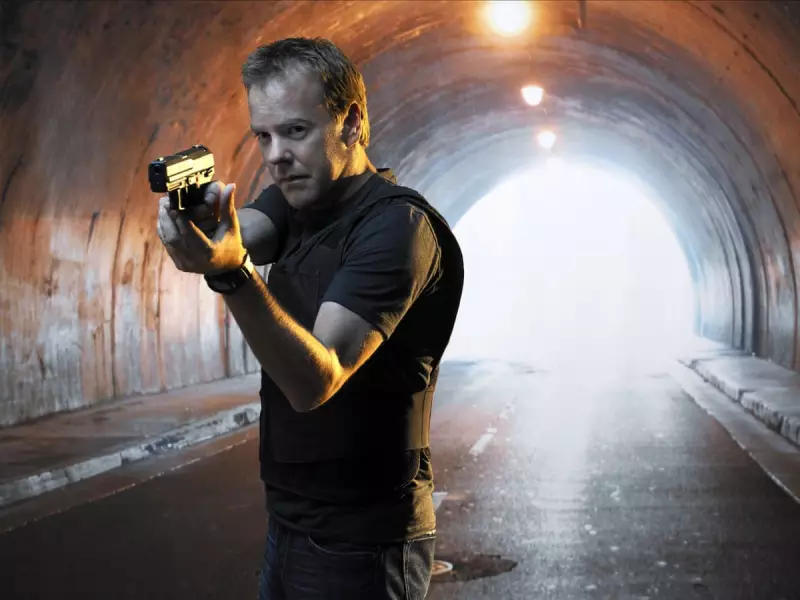
The 21st century brought a new wave of iconic spies. Jack Bauer (Kiefer Sutherland) defined post-9/11 anxiety in 24 (2001-2014), using real-time tension and any tool at hand to save the world, famously without bathroom breaks. Over at the BBC, Harry Pearce (Peter Firth) was the steadfast heart of Spooks (2002-2011), his black leather gloves signalling imminent danger.
Meanwhile, Carrie Mathison (Claire Danes) in Homeland (2011-2020) used her bipolar disorder as a hyper-focused superpower to combat terrorism, and Eve Polastri (Sandra Oh) became obsessed with her target in the cultural phenomenon Killing Eve (2018-2022). Not all heroes wear tailored suits, however. The list also celebrates the animated, eyepatch-wearing rodent Danger Mouse, a staple of 1980s ITV and a CBBC reboot, who lives in a Mayfair postbox and battles Baron Silas von Greenback.
The Ultimate Small-Screen Spook Is...
After considering all the gadget-wielding, world-saving, and fourth-wall-breaking, one character rises to the top through sheer force of cynical personality. The number one spot goes to Jackson Lamb (Gary Oldman) from Apple TV+'s Slow Horses (2022-present).
Adapted from Mick Herron's novels, Lamb is the foul-mouthed, farting, whisky-swigging chief of MI5's dumping ground for disgraced agents, Slough House. Despite his appalling manners and scabrous insults, he repeatedly outwits his superiors at Regent's Park, proving his rejects are more capable of protecting Britain than the service's elite. He is a slobbish, chain-smoking anti-hero who is, against all odds, utterly compelling and lovable.
He narrowly beats the cerebral mastery of George Smiley (Alec Guinness) from the legendary BBC adaptations of John le Carré's Tinker Tailor Soldier Spy (1979) and Smiley's People (1982). Smiley, with "the cunning of Satan and the conscience of a virgin", defined the quiet, paperwork-heavy reality of intelligence work for a generation.
Other notable entries in the top five include the surreal and influential Number Six (Patrick McGoohan) from The Prisoner (1967-1968), the real-time heroics of Jack Bauer at number six, and the formidable KGB sleeper agent Elizabeth Jennings (Keri Russell) from The Americans (2013-2018), who fought the cold war in a series of increasingly terrible wigs.

This ranking proves that the best television spies are not always the most heroic or polished. They are flawed, complex, and often operating in the grey areas of morality. Whether it's the charm of Tom Hiddleston's Jonathan Pine in The Night Manager or the debonair style of Patrick Macnee's John Steed in The Avengers, they continue to captivate audiences by reflecting the fears and intrigues of their time.