As the calendar flips to 2026, a year that has long served as a futuristic setting for filmmakers, we find ourselves living in a world shaped by rapid AI adoption and technological shifts that feel eerily dystopian. It prompts a compelling question: did the visionaries of cinema foresee our present reality?
Cinematic Warnings: A Mixed Legacy of Prediction
The answer, gleaned from science fiction movies positioned in 2026, is decidedly mixed. These films offered a spectrum of forecasts, from the broadly prophetic to the spectacularly far-fetched. While global catastrophe is a recurring theme, the specifics often veer into the improbable. Yet, as we stand in the year these stories imagined, it's a poignant moment to review their prophecies, from the genius of silent cinema to more derivative blockbuster fare.
Mars, Marvel, and Simian Uprisings
According to the 2005 video game adaptation Doom, 2026 is the year humanity discovers a portal to an ancient city on Mars, establishing a research facility. While the film's true horror—involving mutant creatures—is set for 2046, its premise taps into a persistent cinematic anxiety about the red planet. From Ghosts of Mars to Mission to Mars, Hollywood has rarely painted Mars as a beacon of hope, a narrative that complicates our real-world aspirations for interplanetary colonisation.
Meanwhile, the sprawling Marvel Cinematic Universe has, through narrative necessity, placed several of its recent entries in 2026. This includes the well-received Guardians of the Galaxy Vol. 3 but also some of the franchise's most criticised works, like the confusing Secret Invasion and Ant-Man and the Wasp: Quantumania. Judging by this output, 2026 was envisioned as a year of frustrating narrative wheel-spinning—a meta-commentary that may feel uncomfortably familiar to audiences navigating today's complex media landscapes.
Perhaps the most prescient warning comes from Dawn of the Planet of the Apes (2014). The film's timeline, beginning around 2016, sees a devastating 'simian flu' virus decimate humanity and enhance ape intelligence by 2026. The end-credits sequence of its predecessor, Rise of the Planet of the Apes, depicting the virus's global spread circa 2019, now feels unnervingly prophetic post-Covid-19. While our reality hasn't mirrored the film's total societal collapse, its core theme—that the best intentions can be undone by those appealing to our worst instincts, leading to inevitable conflict—strikes a powerful chord in today's divided world.
The Enduring Vision of 'Metropolis'
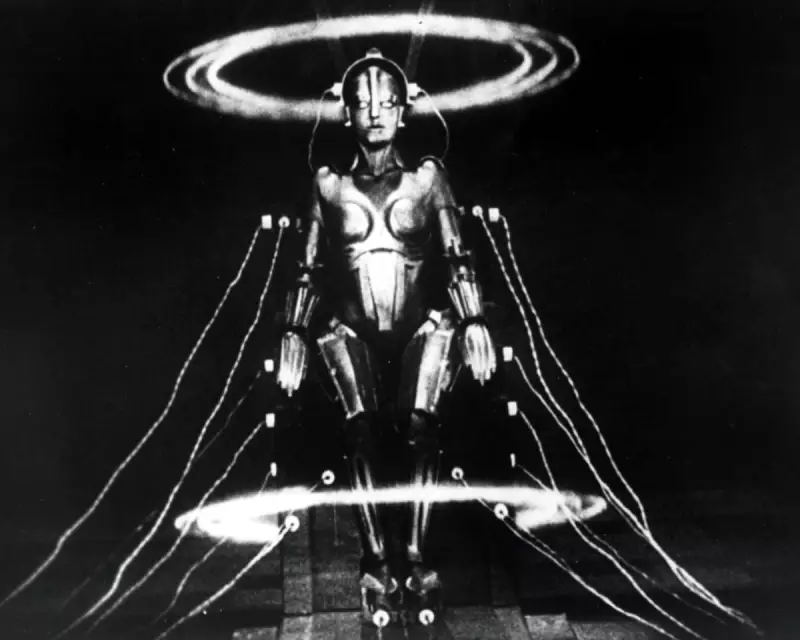
The most iconic depiction of 2026 remains Fritz Lang's 1927 silent masterpiece, Metropolis. It presents a starkly divided city where elites reside in glittering skyscrapers while a subterranean workforce toils to power the machines above. The story follows Freder, the ruler's son, whose conscience is awakened by Maria, a activist from below. A scientist then creates a robot duplicate of Maria to sow chaos and destroy the city.
Lang's vision is remarkably enduring. The film imagines a future reliant on old-fashioned manual labour—a concept that now reads as a grim fusion of corporate AI ambition and political disdain for so-called unskilled workers. While the robot in Metropolis is a tool of revolution rather than corporate control, the film's central image of a vast economic chasm feels acutely contemporary.
Its proposed solution, however, seems more distant than its critique. The film concludes with a mediation by the heart, suggesting the gap between the 'head' (the planners) and the 'hands' (the workers) must be bridged by the 'heart' (compassion). In an age where appeals for economic rebalancing are often met with resistance, this optimistic plea for coexistence through empathy feels more fantastical now than the film's towering art-deco cityscapes did a century ago.
Lessons from the Silver Screen
So, what can these films set in 2026 teach us? They serve less as accurate blueprints and more as reflections of perennial human anxieties: fear of technological overreach, societal collapse, and unbridgeable class divides. Doom and the Apes trilogy warn of existential threats, both alien and viral. The Marvel entries reflect a culture of overwhelming, often incoherent narrative noise. And Metropolis remains the towering moral fable, its warning about inequality more relevant than ever, even if its hopeful ending feels like a relic from a more optimistic age of cinema.
As we navigate our own 2026, these films remind us that the future is rarely about predicting specific events correctly. Instead, they capture the underlying currents of fear and hope that define every era. The true lesson may be that while we thankfully lack portals to Mars and intelligent apes, the core struggles over power, equity, and our humanity—so vividly dramatised on screen—are very much the battles of our present day.