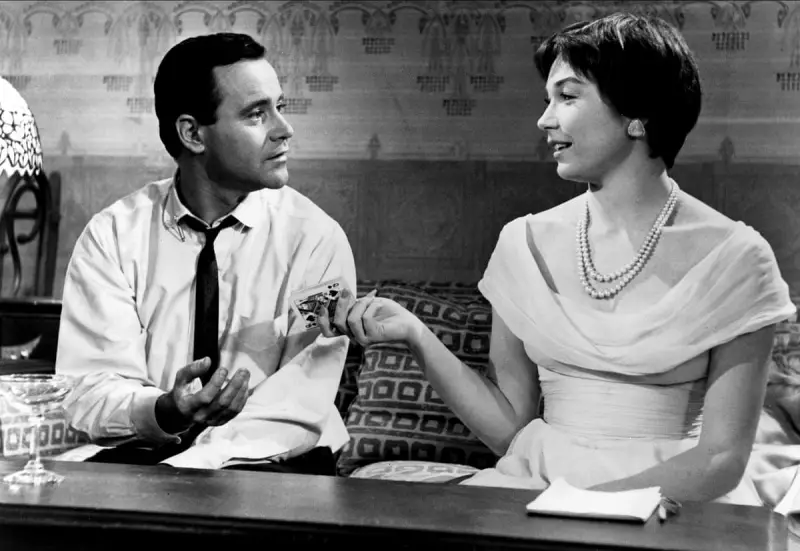
For cinematic comfort during the festive season, few films balance melancholy and hope as deftly as Billy Wilder's 1960 classic, The Apartment. More than six decades on, this sharp, bittersweet tale of a lonely insurance clerk and an elevator operator continues to define the romantic comedy genre, its themes of alienation and corporate compromise feeling startlingly contemporary.
A Blueprint Forged in Cynicism and Hope
Wilder, the mastermind behind films like Some Like It Hot and Sunset Boulevard, found his perfect equilibrium with The Apartment. The film splits the difference between his signature cynicism and a profound, hard-won humanity. Inspired by the chaste affair in David Lean's Brief Encounter, Wilder was fascinated by the idea of a secondary character returning to a bed still warm from lovers. This sparked the creation of his hero, C.C. "Bud" Baxter, played with peerless nervous energy by Jack Lemmon.
Bud is a lowly insurance statistician who discovers a dubious path to promotion: he loans his Upper West Side apartment to company executives for their extramarital trysts. The premise prefigures the gig economy, with Bud weathering the humiliations of being locked out of his own home, once even stranded in Central Park on a winter's night.

The Unforgettable Chemistry of Lemmon and MacLaine
The plot thickens when Bud develops a tender crush on the building's elevator operator, Fran Kubelik, brought to life by Shirley MacLaine in a performance that radiated a new, candid sexuality for its era. Unbeknownst to Bud, Fran is the mistress of his boss, the personnel director Jeff Sheldrake (a brilliantly cast-against-type Fred MacMurray). Sheldrake, a philandering "family man," cynically promises to leave his wife for Fran, securing exclusive use of Bud's apartment in the same breath.
The film's genius lies in its tonal balance. While cinematographer Joseph LaShelle's shadowy visuals occasionally lean into noir, the script by Wilder and I.A.L. Diamond crackles with staccato wit and unforgettable physical comedy. Lemmon's fussing with a bowler hat or straining spaghetti through a tennis racket provides levity, preventing the story from sinking into despair.
A Timeless Portrait of Urban Alienation
On Christmas Eve, the film reaches its emotional crux when Bud finds Fran, having attempted suicide, in his bed. This crisis forces both characters to confront their core self-loathing. Fran believes she deserves no better than a clandestine affair, while Bud realises the spiritual cost of his moral compromises.
Wilder visually underscores this atomisation by framing the insurance office as a vast, dehumanising maze of desks, using forced perspective tricks from production designer Alexander Trauner. The film, made in the twilight of the restrictive Hays Code, argues that in both romance and business, "some people take, some people get took."
Its enduring relevance is undeniable. Workplace affairs, the commodification of the self, and the existential grind of corporate life are as prevalent now as in 1960. Yet, The Apartment ultimately offers a powerful antidote to loneliness. Fran's ecstatic, New Year's Eve dash through the streets of New York remains the ultimate template for the rom-com's climactic race towards destiny and connection.
For anyone seeking solace or a masterclass in storytelling during the holidays, The Apartment is essential viewing. It is a film that has, miraculously, barely aged a day. The film is currently streaming on MGM+ in the UK and Australia, and on Fubo in the US, and is available to rent globally.