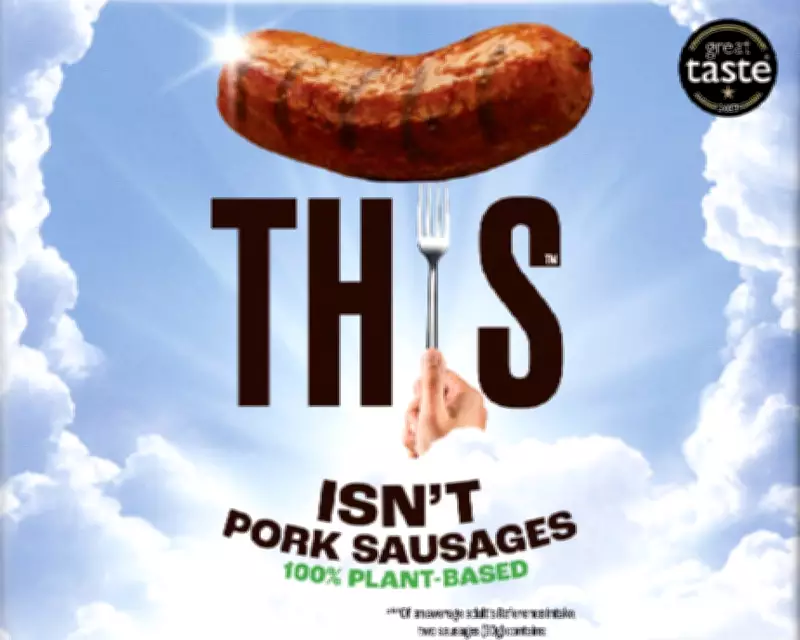
In a significant development for the European food sector, leading food manufacturers are actively campaigning against a proposed European Union regulation that would restrict the use of traditional meat terminology on plant-based product labels. The contentious proposal, which is currently under consideration by EU policymakers, seeks to ban terms such as "sausage," "burger," and "steak" from being applied to vegetarian and vegan alternatives, arguing that such labeling could mislead consumers about the nature of these items.
Industry Pushback and Consumer Clarity
Representatives from the food industry have voiced strong opposition to the potential ban, emphasizing that these familiar terms are crucial for consumer understanding and market accessibility. They contend that words like "sausage" have evolved beyond their original meat-based connotations to describe a specific shape, texture, and culinary use, making them essential for communicating product characteristics to shoppers. According to industry advocates, prohibiting these labels could create confusion rather than clarity, as consumers might struggle to identify plant-based options in supermarkets without the recognizable terminology they have grown accustomed to.
Economic and Innovation Concerns
Beyond consumer issues, food firms warn that the labeling restrictions could stifle innovation and economic growth within the burgeoning plant-based food market. This sector has seen rapid expansion in recent years, driven by increasing demand for sustainable and health-conscious alternatives to animal products. Imposing strict naming conventions, companies argue, might hinder product development and marketing efforts, potentially slowing investment and job creation in an industry that contributes significantly to the EU's economy. They highlight that many plant-based products are designed to mimic the taste and texture of meat, and using terms like "sausage" helps convey this similarity effectively to consumers seeking alternatives.

Regulatory Context and Future Implications
The debate over plant-based labeling is part of a broader regulatory discussion in the EU regarding food standards and consumer protection. Proponents of the ban, including some agricultural and meat industry groups, argue that it is necessary to prevent misleading marketing and protect traditional food products. However, food firms urging against the ban point to existing labeling laws that already require clear ingredient lists and nutritional information, which they believe are sufficient to inform consumers without the need for restrictive naming rules. The outcome of this dispute could set a precedent for how plant-based foods are marketed across Europe, influencing everything from packaging design to advertising strategies in the years to come.
As the EU deliberates on this proposal, the food industry's lobbying efforts underscore the high stakes involved. With the plant-based market projected to continue its growth trajectory, the decision on labeling could have lasting impacts on consumer choice, industry innovation, and the overall landscape of food production in Europe. Stakeholders from both sides are closely monitoring the situation, awaiting a resolution that balances regulatory concerns with market realities.