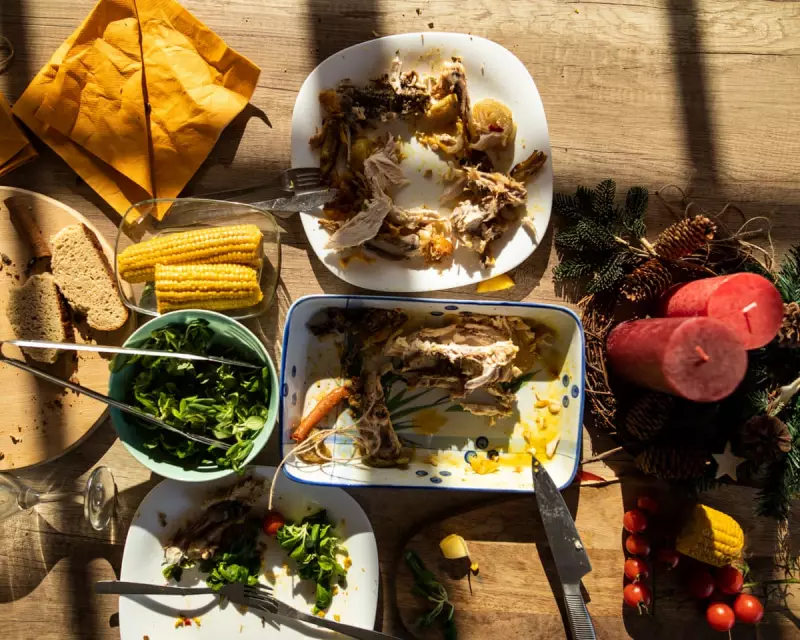
For many families across the UK, the aftermath of a large holiday feast like Christmas or Thanksgiving is a familiar scene: a refrigerator crammed with oversized containers of uneaten turkey, mountains of potatoes, and various side dishes, most of which are destined to be forgotten and eventually thrown away.
The Leftover Dilemma in British Homes
Even with the best intentions, the reality of consuming days of repetitive leftovers often falls short. Children quickly tire of them, and the hassle of transferring food to new dishes for reheating creates yet another pile of washing up. This cycle leads to a significant amount of perfectly good food spoiling at the back of the fridge, a problem both costly and unsustainable.
However, a simple and effective solution has emerged, championed by those with extensive experience in food and product reviewing: storing leftovers in smaller, stackable glass containers. This method, refined over years, promises to rescue holiday meals and simplify everyday food management.

Why Smaller Glass Containers Are a Game Changer
The key lies in using durable, multi-purpose containers, with a two-cup capacity being particularly practical. Smaller units are far easier to organise in a crowded refrigerator. More importantly, they allow for strategic freezing. Portions not eaten within a couple of days can be frozen immediately, slashing waste.
An added benefit for busy households is the dramatic reduction in dirty dishes. Instead of decanting food from a large dish into a bowl for reheating, you can take a perfectly portioned glass container straight from the fridge or freezer and place it into the microwave or oven.
The Superiority of Glass for Food Storage
When it comes to material, thick, heat-tolerant glass is the clear winner for versatility and safety. Unlike plastic, it doesn't stain or risk leaching chemicals, and it is safe for use in the fridge, freezer, microwave, oven, and dishwasher. Its main longevity issue has traditionally been the flimsy plastic lids that often fail before the glass.
A Closer Look at a Leading Solution
One product that has addressed these shortcomings is the range from Anyday. Their glass containers are designed not just for storage but also for cooking. Made from robust glass, they can withstand temperatures up to 500°F, making them suitable for ovens and even air fryers, as well as microwaves.
The cleverly designed glass lid features a heat-safe silicone knob that acts as a steam vent when lifted. A silicone gasket ensures an airtight, leak-proof seal for storage and transport, ideal for packed lunches. This design means you can reheat everything from soup to a full dinner directly in the container it was stored in.
Beyond reheating, these containers enable efficient steam cooking of fresh vegetables, rice, and fish from scratch, offering a plastic-free alternative to 'microwave-in-the-bag' products. For those looking to declutter, they serve a dual purpose, consolidating cookware and storage into one versatile set.
Adopting this approach of using smaller, multi-functional glass containers represents a tangible step towards a more sustainable and efficient kitchen, helping UK families save money, time, and reduce their environmental impact one leftover at a time.