Koba London Reinvents After Two Decades of Culinary Excellence
In the heart of Fitzrovia, central London, Koba Korean restaurant has been delivering moments of pure gastronomic joy for an impressive twenty solid years. Founded by Linda Lee, this establishment built its reputation on traditional tabletop barbecue hot plates where guests could grill their own dinner, often with the assistance of patient servers. Now, in a bold move to celebrate its anniversary, Koba has completely reinvented itself, removing those signature grills and embracing a fresh, modern identity.
A Bold Transformation After Two Decades
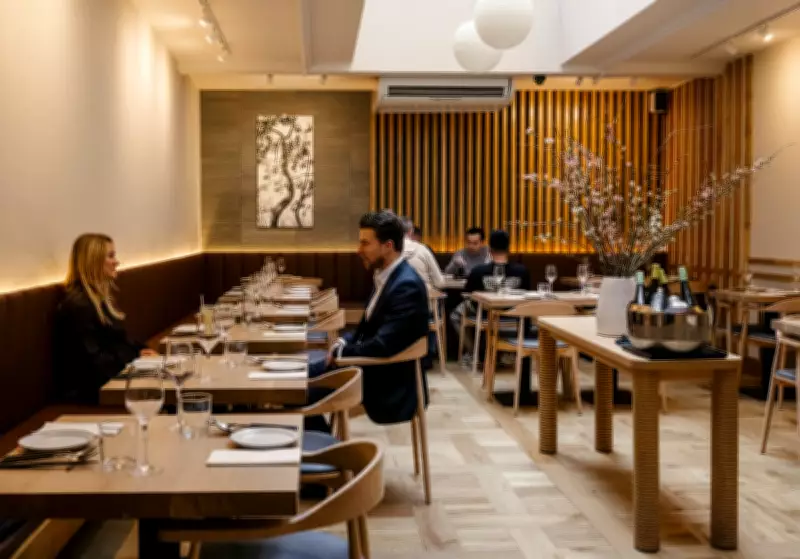
Ripping up your own rulebook after twenty-odd years requires immense courage, but Koba has demonstrated remarkable chutzpah with its comprehensive revamp. The restaurant has eliminated the black tables, dangling extraction vents, and much of the dark wood that characterized its original aesthetic. In their place, Koba now features a wabi sabi color palette that is pale, dreamy, and even twinkly in certain areas, creating an entirely new dining atmosphere.
While some longtime patrons might miss the interactive grill-your-own element, the culinary experience remains exceptional. The decision to remove the hotplates allows expert chefs to take control, ensuring dishes like the dak galbi barbecue chicken—marinated in a heady blend of gochujang paste, chili, and garlic—are prepared to perfection. For those who still crave the traditional experience, beef bulgogi with mushrooms remains available and can be grilled personally at one of the few remaining tabletop grills in the downstairs private dining room.

Refined Menu with Modern Korean Delights
Koba's new menu showcases elegant snacks and starters that highlight the sophistication of Korean cuisine. Small plates include deep-fried cuttlefish, neat jeon shrimp pancakes, and a particularly delightful yook hwei raw beef dish with pear, seaweed, and egg yolk. Each starter arrives with generous servings of banchan, featuring various types of kimchi, beansprouts, and spicy cucumbers.
The restaurant has also introduced modern fine dining elements that are both visually stunning and delicious. The mul hwei starter presents a beautiful bowl of prawn, raw salmon, and white fish topped with vivid orange trout roe and dressed in an iced gochujang vinaigrette—a dish designed to be Insta-friendly. Similarly, the dubu sotbab tofu and vegetable rice pot arrives gorgeously staged with wilted greens, sliced nori, green beans, and mushrooms atop rice, creating a memorable dining experience.
Enduring Sweet Finales and Neighborhood Resilience
Desserts at Koba continue to provide absolute joy, challenging the tradition that Korean restaurants aren't known for lingering over pudding. The warm, fresh, sugary bean paste doughnut—made with adzuki beans and served with buckwheat tea—remains an utter delight. Additionally, a vast scoop of fresh vanilla ice-cream accompanied by sweet persimmon slices and spiced sticky syrup offers a perfect conclusion to any meal.
Koba's ability to adapt and thrive is particularly noteworthy given the changing landscape of its Charlotte Street neighborhood. While many seemingly invincible restaurants have vanished from the area, including Elena's Etoile and the original Spaghetti House, Koba continues to endure. This resilience speaks to both the quality of its cuisine and the strategic vision behind its transformation.
The restaurant's new incarnation proves that sometimes, letting experts handle the cooking—whether it's the go galbi grilled mackerel or the expertly prepared barbecue chicken—enhances the dining experience far beyond amateur attempts. Koba's evolution demonstrates that even after twenty years, innovation and excellence can coexist, ensuring this beloved London dining spot remains relevant and cherished for years to come.