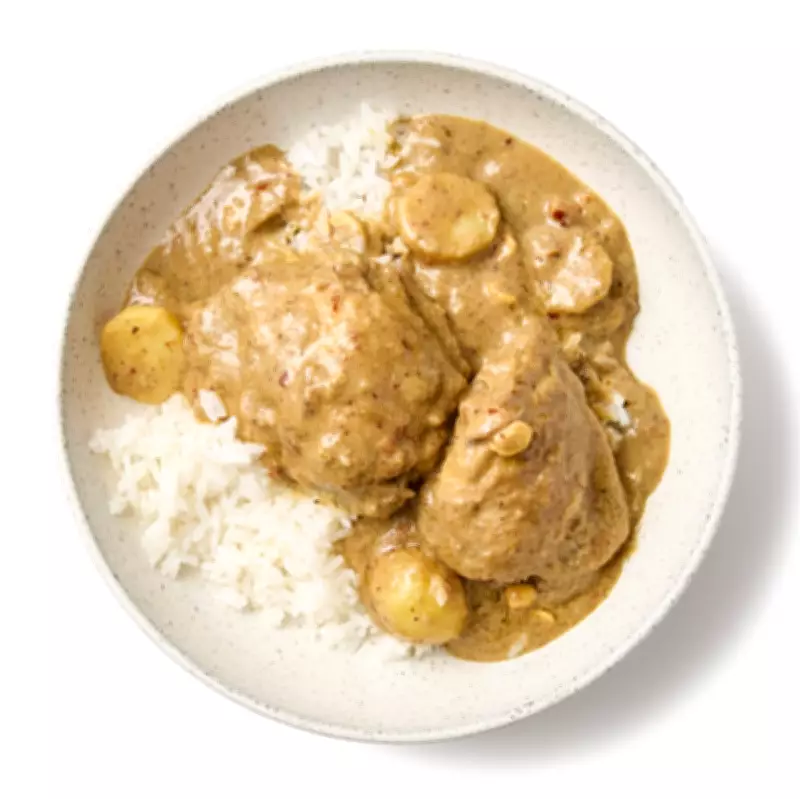
Mastering the Perfect Chicken Massaman Curry: A Culinary Journey
Thai cuisine boasts a rich tapestry of flavors, but few dishes are as revered and intricate as the chicken massaman curry. Often described as the most complex and time-consuming Thai curry to prepare, it offers a deeply savory experience that rewards patience and precision. This guide delves into the history, ingredients, and methods to help you create an authentic version at home.
The Origins and Complexity of Massaman Curry
Massaman curry, with a name hinting at Thailand's Muslim minority, likely dates back to the 17th century, influenced by Persian, Malaysian, or Indian and Middle Eastern spice traders. Unlike other Thai curries, it uniquely incorporates dried spices such as cumin, cinnamon, bay leaves, and cloves alongside traditional aromatics like lemongrass and galangal. This blend creates a rich, warming gravy that envelops chicken and potatoes, making it a standout dish in Thai culinary tradition.
While it may seem daunting, especially for weeknight dinners, massaman curry is a worthwhile weekend project. Its complexity lies in the detailed paste preparation and slow cooking, but the result is a harmonious balance of sweet, spicy, and savory notes that define Thai food.

Crafting the Essential Curry Paste
The heart of any massaman curry is its paste, which requires a longer ingredient list due to the inclusion of dried spices. Key components include shallots, lemongrass, garlic, galangal, dried red chillies, pepper, coriander root, and shrimp paste. For those less familiar, Thai shallots are smaller and more pungent than European varieties, while galangal offers a peppery, resinous flavor distinct from ginger.
To enhance the paste, recipes often add toasted spices like cumin, coriander seeds, cloves, and cinnamon. While some chefs recommend using ready-made red curry paste as a shortcut, homemade versions provide greater depth and satisfaction. Using tools like a spice grinder or immersion blender can simplify the process, and the paste can be made ahead and refrigerated for convenience.
Building the Curry Sauce and Adjusting Flavors
Once the paste is prepared, the hard work is mostly done. Frying the paste in oil or cracked coconut cream forms the base of the gravy. A crucial tip is to avoid diluting the paste with too much coconut milk, as this can mute the intense flavors. Instead, add small amounts of poaching liquid to achieve a rich, full-bodied sauce.
Seasoning is key to balancing the curry. Classic Thai seasonings include palm sugar, fish sauce, and tamarind water, with some variations incorporating pineapple juice or Seville orange for zest. Adjust these elements at the end of cooking to preserve their freshness and tailor the dish to your taste preferences.
Choosing Proteins and Accompaniments
Massaman curry traditionally features beef or chicken, reflecting its Muslim origins, but alternatives like tofu, goat, or mutton are also excellent. Using bone-in chicken thighs ensures juiciness, while browning the meat before braising adds depth. Potatoes are a common addition, though some recipes suggest pineapple, daikon, or sweet potato for variety.
To finish, garnish with roasted peanuts for crunch and serve with steamed Thai rice. A fresh side, such as a pounded cucumber salad, complements the rich curry perfectly. This dish can be made ahead and reheated, allowing flavors to meld for an even more delicious result.
Step-by-Step Recipe for Perfect Massaman Curry
Ingredients: For the paste, use cumin seeds, coriander seeds, cloves, cardamom pods, nutmeg, cinnamon, peppercorns, dried chillies, Thai shallots, garlic, lemongrass, galangal, coriander root, shrimp paste, and roasted peanuts. For the curry, include Thai shallots, neutral oil, chicken thighs, salt, cinnamon stick, cardamom pods, bay leaves, coconut milk, potatoes, coconut cream, palm sugar, fish sauce, tamarind water, and roasted peanuts.

Instructions: Toast and grind the dry spices, then fry fresh aromatics until colored. Blend with peanuts and shrimp paste to form a smooth paste. Brown chicken and shallots in oil, then simmer in coconut milk with spices until cooked. Fry the paste in coconut cream, add poaching liquid to create gravy, and season with sugar, fish sauce, and tamarind. Combine with chicken, potatoes, and peanuts, simmer briefly, and serve with rice.
This recipe serves 4-6 and takes about 80 minutes from prep to finish. Embrace the process, and you'll be rewarded with a dish that captures the essence of Thai culinary artistry.