The Art of Reheating: Why Leftovers Deserve Culinary Respect
In the world of cooking, there is a special joy in watching someone master their signature dish—whether it is a partner meticulously crafting fish-finger sandwiches with artisanal cheese or a friend perfecting a carrot cake recipe. These culinary feats often steal the spotlight, but what about the unsung hero of the kitchen? For many, that role belongs to the reheater, the person who breathes new life into leftovers with skill and care.
Beyond the Microwave: Elevating Reheating to an Art Form
Reheating is frequently dismissed as mundane drudge work, relegated to those deemed unfit for more glamorous kitchen tasks. The common approach involves simply blasting food in a microwave until it reaches a safe temperature, but this often results in soggy carbs, overcooked stews, or rubbery textures. However, treating leftovers with the same precision as fresh cooking can transform them into something extraordinary.
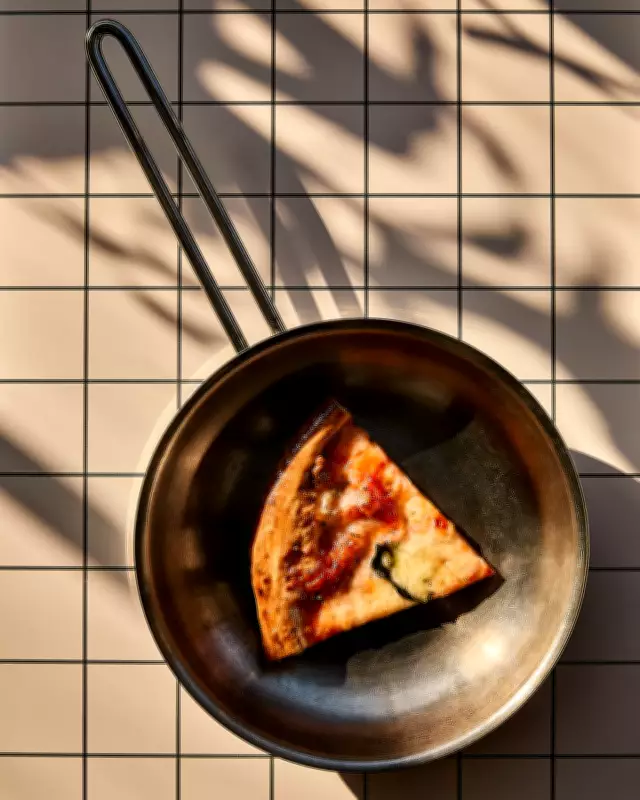
Imagine approaching leftovers like a necromancer, reviving each element with intention. For leftover pasta, a hot pan with a touch of olive oil can crisp the starches and caramelize the tomato, creating a miniature symphony of flavors reminiscent of a pasta bake. Similarly, reheating pizza in a dry pan to crisp the base, followed by a sprinkle of water and a lid to melt the cheese, yields a result far superior to the dry heat of an oven or air fryer.

Mastering Moisture and Texture in Reheated Dishes
The key to successful reheating lies in controlling moisture and texture, not just achieving a germ-proof temperature. A stew with meat and potatoes, for instance, can turn gluey if stirred too vigorously during reheating. Instead, adding water, covering with foil, and using a low oven allows for gentle warming without compromising integrity.
Leftover roast chicken thighs require a different tactic: carving them up and warming the meat gently in stock prevents toughness and ensures even heating. Even lasagne can ascend to new heights by separating layers and employing a combination of pan-frying and steaming, a technique that defies conventional microwave methods.
The Microwave: A Tool for the Technically Savvy
While microwaves are often misused by sloppy reheaters, they are not inherently flawed. This military-grade engineering can be effective when applied with technical nous. The mistake lies in expecting a microwave to perfectly resurrect an entire plate of food without adjustments. Poor microwave technique has ruined countless roast dinners, but with careful use, it can be a valuable ally in the reheating process.
Ultimately, reheating is not merely about warming cooked food; it is about cooking anew from a transformed starting point. Embracing this mindset allows for creativity and ingenuity, turning weeknight dinners into opportunities for culinary expression. A kitchen may thrive without a pastry expert, but every home benefits from a skilled reheater—someone who steps back during the glory cooking and makes leftovers their proud domain.