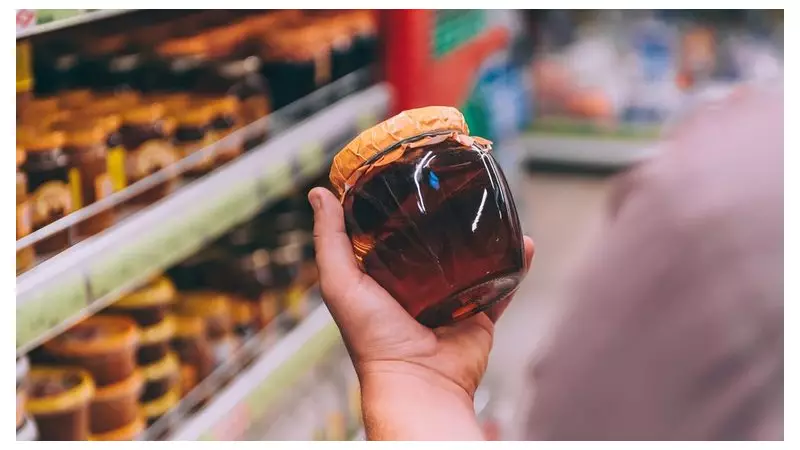
As a new year begins, a stark warning has been issued about the contents of many jars lining UK supermarket shelves. Our Money blog team's 2026 series, 'Buy Like A Pro', kicks off by investigating one of the nation's favourite cupboard staples: honey.
The Hidden Truth Behind Supermarket Honey
According to leading experts, the primary issues plaguing much of the honey found in large retailers are adulteration, a lack of transparency, and heavy processing. David Wagstaff, a commercial beekeeper and founder of More Bees Please, explained that a large proportion of cheaper supermarket honey is blended from global imports, often bearing vague labels like "blend of EU and non-EU honeys".
"Many tests suggest this kind of honey may be diluted with cheap sugar syrups (like corn or rice syrup) or misrepresented as pure honey," Wagstaff told the Money blog. He added that industrial honey is frequently pasteurised and filtered to ensure a clear appearance and long shelf life, a process that can strip away beneficial pollen, enzymes, and antioxidants found in raw honey.

Could a £3 jar from a supermarket not actually be proper honey? "Yes, it can happen," Wagstaff confirmed. He stated that while legally sold as honey, such products are often a world away from the natural, raw honey consumers imagine, being produced at massive scale and processed for consistency rather than quality.
How to Decode a Honey Label Like a Pro
Dr Gino Jabbar, chairman of the Honey Guild of the United Kingdom, advises shoppers to first scrutinise the country of origin. "Check if it's from a single country or a blend from many regions," he said. Single-origin honey, though typically more expensive, is less likely to be adulterated than multi-region blends.
Dr Jabbar also recommends looking for details about the producer, aroma, and beekeeping style. He notes that while a high price is no absolute guarantee of authenticity, the higher the cost, the less likely the product is affected by global honey fraud. The expert lamented that a lack of public awareness about honey's true value and diversity means high-quality options rarely reach mainstream shelves, perpetuating demand for cheap, low-grade products.
The Clear Winner: Buying Local and Direct
Both experts were unequivocal in their recommendation: buy local. "When you buy from a beekeeper or local shop, you can often find out exactly where the honey came from - down to hive location and floral source," said David Wagstaff. Independent tests show honey from dedicated beekeepers is far more likely to be genuine.
This practice supports sustainable, bee-friendly agriculture and helps maintain healthy colonies crucial for local pollination. Dr Jabbar suggests buying in bulk for a year's supply, as honey is a finite resource with a flavour unique to its batch, season, and terroir. Good sources include producers' own websites, farmers' markets, and retailers specialising in quality UK and foreign produce.
The article also addressed specific honey types, explaining the high cost and stringent production standards of New Zealand's Manuka honey, which requires UMF certification. It clarified that honey doesn't 'go off' but can crystallise naturally—a process easily reversed with gentle warming. On the organic debate, experts cautioned that the label is incredibly difficult to verify and doesn't equate to better taste, advising consumers to prioritise raw, natural, single-source honey from a trusted producer instead.
Finally, for optimal storage, Dr Jabbar advises keeping honey in an airtight container, as it absorbs moisture from the air, which can weaken its natural preservative qualities over time.