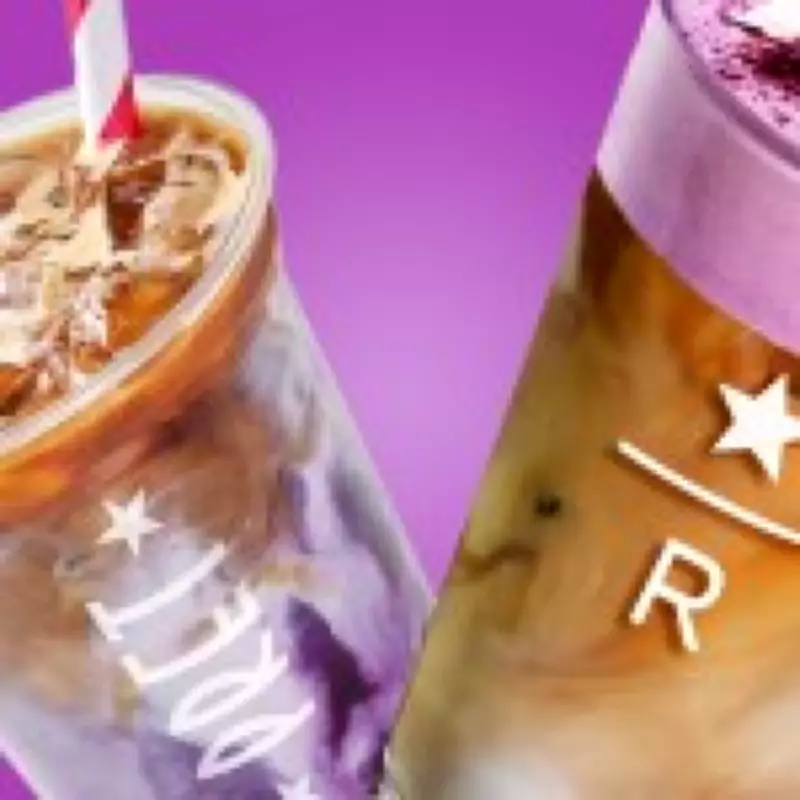
Ube Dethrones Matcha as the Spring Flavor Sensation Sweeping the UK
Move over matcha – there's a new culinary superstar captivating British taste buds this spring. While the Japanese green tea powder maintained its popularity through 2026, with retailers like M&S continuing to launch new matcha products, the spotlight has decisively shifted to ube, the vibrant purple yam native to the Philippines.
What Exactly Is Ube?
For the uninitiated, ube is a distinctive purple yam that has long been a cornerstone of Filipino cuisine, featuring prominently in everything from traditional jams to celebratory cakes. Its flavor profile is subtle yet complex, combining nutty, earthy notes with a gentle sweetness that carries hints of vanilla. This versatile root vegetable has experienced a remarkable surge in popularity across the United States in recent years, with more than half of all yams exported globally from the Philippines now destined for American markets. To illustrate this demand, over 300 metric tons of yams were shipped to the U.S. during just the first nine months of 2025.
Ube's UK Arrival and High-Street Adoption
Now, ube is making significant inroads in the United Kingdom, recently hailed by Starbucks as "this year's taste (and colour) of spring." It's important to recognize that ube isn't entirely new to British shores. Independent Filipino businesses have been championing this ingredient for years. Establishments like aRVhee, a Filipino bakery on London's Jutland Road selling ube pandesal (a type of bread roll), and Mamasons, a Filipino ice cream parlour with multiple London locations, have built loyal followings. Mamasons has been serving ube bilogs (ice cream sandwiches made with milk bread) and ube brownies since 2017, while its sister bakery Panadera, opened in 2021, offers creations like ube toast and ube matcha.

Both businesses have amassed thousands of Instagram followers and numerous five-star Google reviews, catching the attention of major high-street chains. Pret a Manger initiated the trend last year with a limited-edition Ube Brûlée Latte. This spring, Costa Coffee has introduced a Sweet Ube Hot Chocolate and Sweet Ube Frappe, while Starbucks has launched an entire ube range in the UK, including a Ube Vanilla Velvet Latte, ube Matcha, Macchiato, and Frappuccino.
Cultural Significance and Commercial Concerns
A Starbucks spokesperson reported enthusiastic customer response to ube's "gently nutty, sweet flavour," noting that its "stunning technicolour" and global culinary reinterpretations justify its growing cultural presence. The company's U.S. social media suggests the launch was influenced by global travel trends and social media platforms making new flavors "more accessible," with algorithmic feeds keeping consumers curious about emerging tastes.
However, ube's rising popularity carries significant concerns. As demand expands globally, Filipino farmers struggle to keep pace. Ube is typically cultivated on small plots, primarily in the Visayas region, with annual production declining over the past two years due to climate change, dwindling stock, and the absence of large-scale plantations. This has raised fears that other nations might begin mass-producing ube, potentially undermining Filipino farmers who have cultivated this crop for centuries.
Moreover, some Filipinos express offense at seeing ube reduced to a mere trend. Joules Palanca, a New York-based digital creator known as the "Ube Queen," emphasized on Instagram that "Ube is a crop that has been used as a source of livelihood for Filipinos... It could never be just a flavour to us." She warned that many chains might use artificial syrups instead of genuine ube, failing to support traditional farmers. Palanca urges consumers to inquire about sourcing and advocate against artificial flavorings that don't benefit Filipino communities or advance cultural appreciation.
As ube continues its ascent in UK cafes, balancing commercial enthusiasm with cultural respect and sustainable sourcing remains a critical conversation for foodies and businesses alike.