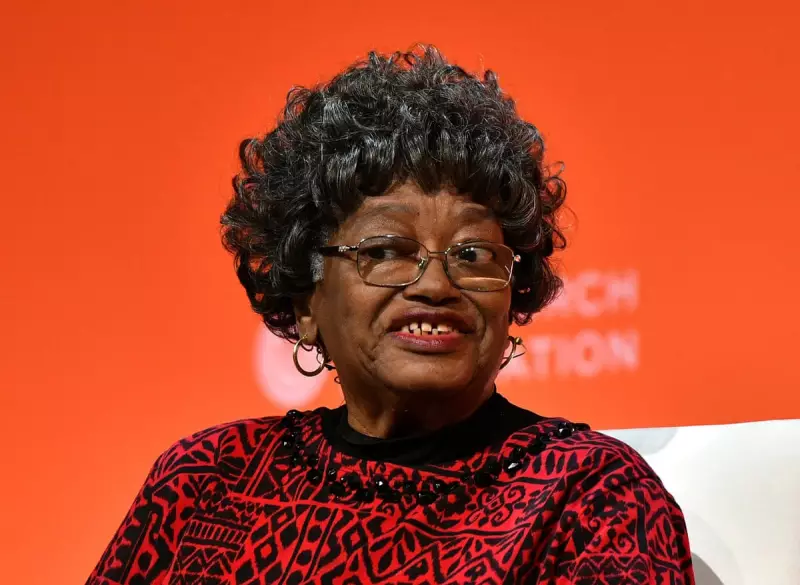
Claudette Colvin, a pivotal but long-overlooked figure in the American civil rights movement, has died at the age of 86. Colvin was just 15 years old when she was arrested in Montgomery, Alabama, for refusing to give up her bus seat to a white woman – an act of defiance that occurred nine months before Rosa Parks's more famous protest.
The Arrest That Sparked a Movement
On 5 March 2020, Colvin spoke on stage at the Tory Burch Foundation's Embrace Ambition summit in New York City, a rare moment of public recognition. However, her journey began decades earlier in the segregated South. In 1955, Colvin was ordered by a bus driver to relinquish her seat. Inspired by her school studies of anti-slavery heroes like Harriet Tubman and Sojourner Truth, she refused. Police officers dragged her from the bus and arrested her, marking one of the first publicised acts of civil disobedience against Montgomery's Jim Crow bus laws.
Her family spokesperson, Ashley Roseboro, confirmed that Colvin died on Tuesday under hospice care in Texas. For years, Colvin's story remained in the shadows, but her courageous stand was a direct catalyst for the legal battle that would dismantle segregation in public transport.

Why History Chose Rosa Parks
Despite her bravery, civil rights leaders at the time chose not to build their campaign around the teenage Colvin. When planning the Montgomery bus boycott that began in December 1955, they rallied behind Rosa Parks, an older, lighter-skinned seamstress and NAACP secretary seen as a more sympathetic figure. Issues of social class and colourism influenced this decision. Furthermore, about a year after her arrest, Colvin became pregnant after an encounter she later described as statutory rape, which leaders feared would be used against the movement.
Nevertheless, Colvin's resolve was unwavering. She became a key plaintiff and a principal witness in the landmark federal lawsuit, Browder v Gayle. This case directly challenged the city's bus segregation policies and led to a 1956 US Supreme Court ruling that declared such segregation unconstitutional.
A Legacy Finally Recognised
After the legal victory, Colvin lived for decades in relative obscurity, working as a nurse's aide and raising her son as a single mother. Historians have since worked to illuminate her crucial role. Fred Gray, the attorney who argued Browder v Gayle, credited Colvin with providing the moral courage for the fight. "I don't mean to take anything away from Mrs. Parks, but Claudette gave all of us the moral courage to do what we did," he told the Washington Post.
In recent years, Colvin received belated justice. She succeeded in having her juvenile arrest record expunged. Her foundation continues to educate people about her contribution. Claudette Colvin's story is a powerful reminder that the fight for equality was advanced by many unsung heroes whose collective courage changed the course of history.