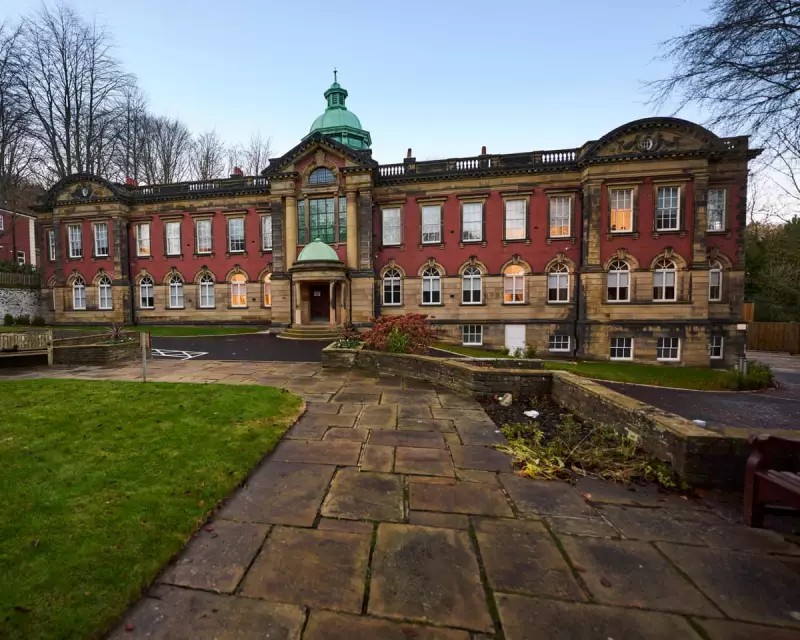
An iconic building described as one of the world's finest trade union headquarters has reopened its doors following a multi-million pound restoration. Redhills, the home of the Durham Miners' Association (DMA) since 1915, has completed a £14 million transformation, aiming to reclaim its historic role as a hub for community and cooperative endeavour.
A Grand Statement of Equality
Standing imposingly in Durham city centre, Redhills was conceived as a direct architectural challenge to the region's mine owners. Its grand Edwardian baroque design was a deliberate statement. Bill Moir, a guide at the site, explains the building's intent was so that miners "would enter an entrance hall equally as glorious as the entrance hall of the owners of coalmines." It was constructed on a scale to rival the estates of the aristocracy, earning it the nickname "Durham's other cathedral."
The building is famed for its "pitmen's parliament," the Austrian oak-panelled chamber where delegates from across the coalfields convened. This space, restored to its former glory, was where miners debated pioneering ideas long before they became national policy. Andrew McIntyre, the interim CEO of Redhills, emphasises its significance: "You're kind of standing on the spot where the welfare state was first imagined."

From Decay to a Living Future
The restoration was urgent and painstaking. Just a few years ago, the historic chamber was plagued by mould and a rotting floor. Funded in part by the National Lottery, the project consulted widely with local communities. The public response was clear: Redhills should not become a museum or a mausoleum to the past. Instead, it must remain "the beating heart of a living culture."
The strategy has proven successful. "We're barely open and all of our guided tours are sold out into next year," McIntyre revealed. The building will host weddings, concerts, and conferences, but its ambition is far greater. It aims to become a modern mothership for cooperative projects, inspired by the DMA's original mission a century ago when it built parks, sports grounds, and housing for mining families.
A New Chapter for Community Power
The revitalised Redhills is now looking outward, seeking to replicate its historic community-building role in today's context. The first major project focuses on the east Durham village of Horden. Initiatives being explored include harnessing heat from old mine water for cheap community energy, taking local control of housing stock, and reimagining social care provision.
McIntyre criticises the current model where millions of pounds of public money are paid to private companies that "skim off a huge percentage of the budget as profit." He argues that since the pits closed 40 years ago, people have waited in vain for government solutions. The new Redhills represents a shift towards community-driven change, honouring a proud heritage while forging a practical future. The two benches outside, dedicated to men victimised in the 1984-85 miners' strike, stand as a poignant reminder of past struggles, even as the building behind them looks forward.