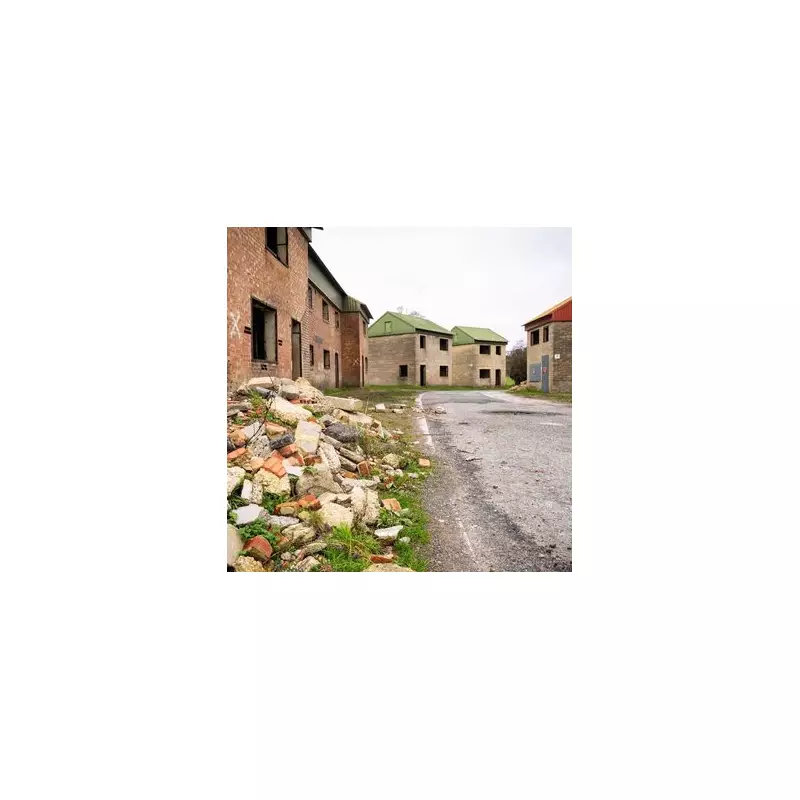
Nestled on the Salisbury Plain, a two-hour drive from London, lies a haunting relic of Britain's wartime sacrifice. The village of Imber in Wiltshire stands frozen in time, its cottages empty and its streets silent, 82 years after its entire population was ordered to leave.
The Wartime Evacuation That Created a Ghost Village
In 1943, with World War Two raging, the British government made a decisive move. All 150 residents of Imber were given just 47 days' notice to evacuate their homes. The promise was clear: they could return once the conflict was over. The village was needed as a training ground for Allied troops preparing for the D-Day landings and other crucial operations against Nazi forces.
Yet, the promise was broken. After the war ended, the Ministry of Defence (MoD) retained control of the area, incorporating it into the vast Salisbury Plain Training Area. To this day, the village remains under strict military authority, a decision that has preserved Imber as a unique, if sorrowful, time capsule.

Limited Access and a Church's Resilience
Public access to Imber is extraordinarily restricted. Visitors are only permitted entry on approximately 12 specified days each year. These include Easter, a summer open day, a carol service before Christmas, and a period around the New Year. For 2025, roads were accessible from 8am on December 29th until 8am on January 2nd.
Amidst the dereliction, one structure stands proud: the Grade I-listed St Giles Church. On open days, it becomes the heart of the village, managed by 77-year-old guardian Neil Skelton. "We do get a lot of visitors," Neil explains. "In the summer on the bus day we had about 4,000 visitors and over the bank holiday we had 3,000. People come out of interest for the history."
The church offers refreshments and souvenirs, raising an impressive £15,000 to £20,000 annually for the Churches Conservation Trust, which ensures its upkeep. Neil, a former CCT employee, volunteered for the role, driven by a lifelong connection. "I cycled to Imber all the way from Salisbury and back in one day when I was 16," he recalls. "It captured my imagination."
A Landscape Frozen in Time
The rest of the village tells a starker story. Most original thatched cottages have been demolished or are gutted shells, damaged by water, time, and decades of military exercises. Other buildings are modern, windowless structures built specifically for urban combat training.
Despite the eerie atmosphere, Neil finds profound peace in his role. "When there is nobody about it is lovely. I often go on my own and I love it, it's a lovely peaceful place to be," he says. He also highlights the area's environmental significance, noting the extensive wildlife and sites of special scientific interest that have flourished in the absence of permanent residents.
Imber remains a powerful symbol of communal sacrifice for the national war effort. Its empty lanes and silent buildings are a poignant reminder of the 150 lives that were permanently uprooted, and of a promise from the state that was never fulfilled. For now, its story is only fully told on those few, busy days when the public is allowed back in to remember.