Federal Judge Mandates Restoration of Slavery Exhibit in Philadelphia
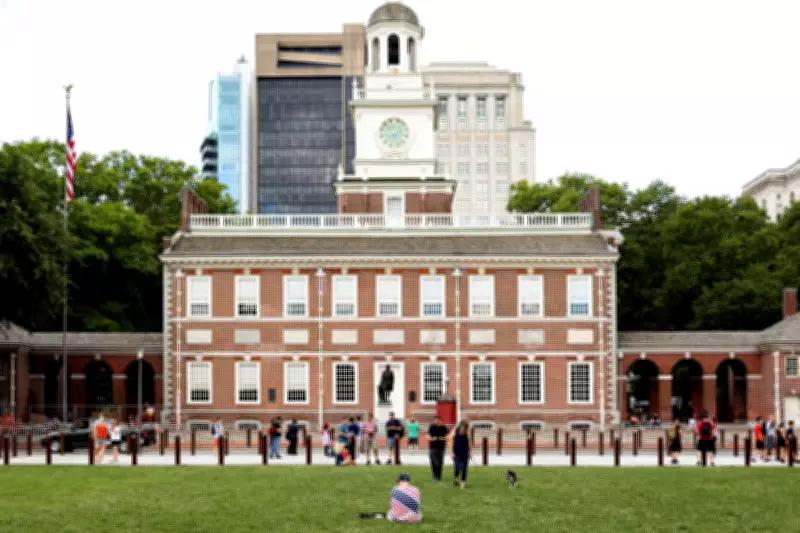
A federal judge in Pennsylvania has issued a significant order requiring the National Park Service to immediately reinstall a slavery-related exhibit at the Independence National Historical Park in Philadelphia. This directive comes as part of ongoing litigation initiated by the city of Philadelphia against the federal government over the controversial removal of the historical display.
Orwellian Comparison in Judicial Ruling
In her Monday ruling, U.S. District Judge Cynthia Rufe began with a powerful quote from George Orwell's dystopian novel 1984, drawing explicit parallels between the authoritarian practices described in the book and the Trump administration's actions regarding historical exhibits. The judge referenced Orwell's description of how authoritarian regimes systematically rewrite historical records to erase uncomfortable truths.
"As if the Ministry of Truth in George Orwell's 1984 now existed, with its motto 'Ignorance is Strength,' this Court is now asked to determine whether the federal government has the power it claims – to dissemble and disassemble historical truths when it has some domain over historical facts," Judge Rufe wrote in her opinion. "It does not."

Background of the Controversial Removal
The National Park Service dismantled and removed the long-established slavery exhibit last month following claims by former President Donald Trump about "anti-American ideology" at historical and cultural institutions. These claims have been widely rejected by civil rights groups and historians who argue that accurate historical representation is essential to understanding America's complex past.
The exhibit was located at the President's House site within Independence National Historical Park, which marks the location of the first official presidential residence where George Washington and John Adams lived during their terms. The display specifically addressed Washington's ownership of enslaved individuals during his presidency.
Historical Significance of the Exhibit
Judge Rufe devoted substantial portions of her opinion to explaining the historical importance of the removed exhibit. The display highlighted research conducted at the turn of the century that identified nine enslaved Africans whom President Washington owned and brought to the official presidential residence.
The exhibit featured the names of these nine individuals etched into a wall:
- Oney Judge
- Austin
- Christopher Sheels
- Giles
- Hercules Posey
- Joe Richardson
- Moll
- Paris
- Richmond
The judge noted that historical records show Oney Judge escaped the house in 1796 and eventually made her way to New Hampshire, while Hercules also eventually escaped his enslavement after being brought to Mount Vernon.
Legal Proceedings and Judicial Concerns
During a hearing last month, Judge Rufe expressed serious concerns about the Trump administration's legal arguments. According to reports from the Philadelphia Inquirer, the judge called the administration's position that a president could unilaterally order changes to exhibits displayed in national parks both "horrifying" and "dangerous."
The city of Philadelphia's lawsuit accused the Department of the Interior, which oversees the National Park Service, and top officials of breaking the law by removing the exhibit. Philadelphia officials argued that the removal represented an improper attempt to rewrite historical narratives for political purposes.
Immediate Restoration Ordered
Judge Rufe's order specifically requires the federal government to "restore the President's House Site to its physical status as of January 21, 2026" – the day before the exhibit was removed. This temporary injunction will remain in effect pending the final outcome of the litigation between Philadelphia and the federal government.
The judge, who was appointed by former President George W. Bush, emphasized in her ruling that the federal government does not possess the authority to selectively remove historical facts from public display, particularly when those facts involve the complex and difficult history of slavery in America.

Neither the National Park Service nor the city of Philadelphia responded immediately to requests for comment on the judge's order, leaving open questions about potential appeals or next steps in the legal process.