Authors Rally Against AI Copyright Theft at London Book Fair
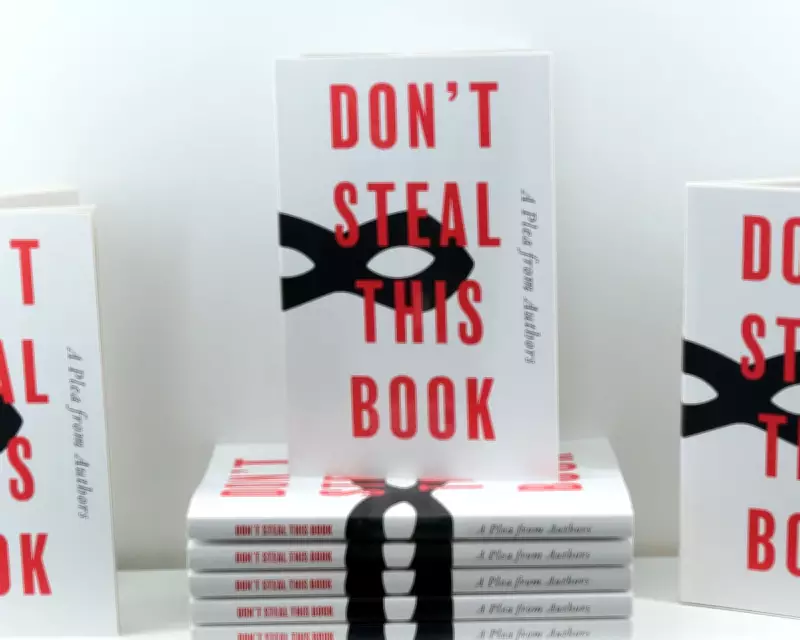
In a striking display of defiance, books were stamped with "Human Authored" logos at this week's London Book Fair, echoing a dystopian scene from fiction. The Society of Authors launched this labeling scheme as a critical measure to safeguard human creativity against the rising tide of AI-generated content. Visitors received copies of Don’t Steal This Book, an anthology with blank pages signed by over 10,000 writers, including Nobel laureate Kazuo Ishiguro and bestsellers like Malorie Blackman. The back cover delivers a blunt message: "The UK government must not legalise book theft to benefit AI companies." This protest underscores a growing anger among authors who feel their work is being exploited without consent.
Government Faces Pressure Ahead of AI Copyright Report
The fair coincides with a pivotal moment, as the government prepares to release a progress report on AI and copyright next week. Last year's proposals to relax laws sparked outrage, with novelist Philippa Gregory comparing an "opt-out" policy to inviting burglars by posting a sign on your door. A University of Cambridge study reveals alarming trends: nearly 60% of published authors believe their work has been used to train large language models without permission or payment, and 40% report income declines due to generative AI. This mirrors Orwell's Versificator, threatening to flood the market with machine-made novels.
Nonfiction Sector Hit Hard, but Human Stories Shine
While fiction sales rise, driven by romantasy novels, nonfiction faces a severe downturn, with sales dropping 6% last year to the lowest since 2014. However, three nonfiction books by women defied the trend, showcasing the power of authentic human narratives:

- Nobody’s Girl by Virginia Giuffre, a posthumous memoir of abuse by Jeffrey Epstein.
- A Hymn to Life by Gisèle Pelicot, detailing her ordeal with an ex-husband.
- Careless People by Sarah Wynn-Williams, an exposé of working at Facebook.
These successes highlight that readers crave genuine, painful human stories, emphasizing the need for trust in authorship.
Calls for Legislative Action to Protect Creative Livelihoods
Author Sarah Hall, who requested a "Human Written" stamp on her novel Helm, argues that AI lacks the emotional depth and personal stakes of human writing. The creative industries contributed £124 billion to the UK economy in 2023, with publishing alone adding £11 billion. The Society of Authors demands:
- Consent and fair payment for AI use of works.
- Transparency in how books are produced.
These are not radical asks but essential safeguards in an era of fake news and AI slop. A recent House of Lords report outlines two futures: one where the UK leads in responsible AI development, and another where it drifts toward unlicensed content use. Protecting artists over global tech companies is crucial to avoid a world of empty content.