Major Publisher Halts Novel Release Amid AI Content Concerns
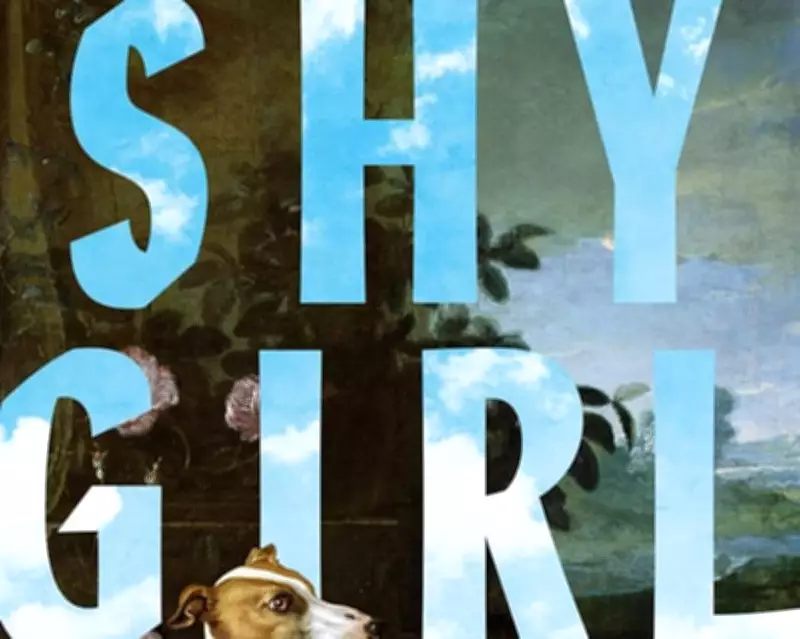
In a significant development within the publishing industry, Hachette Book Group has withdrawn the horror novel Shy Girl by author Mia Ballard following widespread allegations that artificial intelligence played a substantial role in its creation. The publisher has officially cancelled the scheduled US release and discontinued distribution of the UK edition, which was originally published in November 2025.
Publication Halted After Internal Review
The decision to halt publication was first reported by the New York Times and comes after weeks of intense online speculation regarding the novel's origins. Hachette confirmed that an internal review led to the cancellation of the US launch under its Orbit imprint, originally planned for this spring. The title has been removed from major online retailers including Amazon, and will no longer be available in the UK market.
According to NielsenIQ BookData, the novel had sold approximately 1,800 print copies in the UK before its withdrawal. In a statement to the New York Times, Hachette emphasized its commitment to protecting original creative expression and storytelling, though specific details about the investigation findings were not disclosed.

Author Denies Personal AI Use
Mia Ballard has publicly denied personally using AI tools to write the controversial novel. In comments to the New York Times, she revealed that an acquaintance she hired to work on an earlier self-published version had incorporated AI assistance without her full knowledge or approval.
"This controversy has changed my life in many ways and my mental health is at an all time low and my name is ruined for something I didn't even personally do," Ballard wrote in an email to the newspaper, expressing distress over the situation's personal and professional impact.
Online Speculation Sparks Investigation
The controversy began gaining momentum in early 2026 when social media users on platforms including Goodreads and Reddit started analyzing passages from the novel. Numerous readers questioned whether sections of the text displayed characteristics typical of AI-generated prose, with one Goodreads review stating, "I am quite certain that this was written by ChatGPT."
A widely discussed Reddit thread attracted hundreds of comments alleging similarities between the novel's writing style and output from AI tools. Additionally, a YouTube video posted in January titled "I'm pretty sure this book is ai slop" accumulated more than 1.2 million views, further amplifying public scrutiny.
Novel's Content and Background
Shy Girl was originally self-published in February 2025 and had accumulated nearly 5,000 ratings on Goodreads with an average score of 3.51 stars before its withdrawal. The novel's plot, as described in online blurbs, follows protagonist Gia—a lonely, financially struggling woman with OCD—who encounters a mysterious affluent man named Nathan on a sugar daddy website.
The story explores Gia's consideration of Nathan's unconventional offer: to erase all her debts in exchange for living as his devoted pet. This premise had initially generated interest before the AI allegations surfaced.
Broader Publishing Industry Implications
This incident highlights the growing challenges publishers face regarding artificial intelligence in creative works. Just last week, the Society of Authors introduced a new logo system designed to distinguish human-authored books from AI-generated content, marking the first such initiative from a UK trade association.
This scheme enables authors to register their works and display the logo on their publications, following a similar program launched by the US Authors Guild in early 2025. These developments reflect increasing industry efforts to establish transparency standards as AI technology becomes more sophisticated and accessible.

The controversy surrounding Shy Girl demonstrates how quickly AI-related concerns can escalate in the digital age, affecting authors, publishers, and reader trust simultaneously. As the publishing industry continues to navigate these complex technological waters, cases like this may prompt more rigorous verification processes and clearer guidelines regarding AI assistance in creative works.