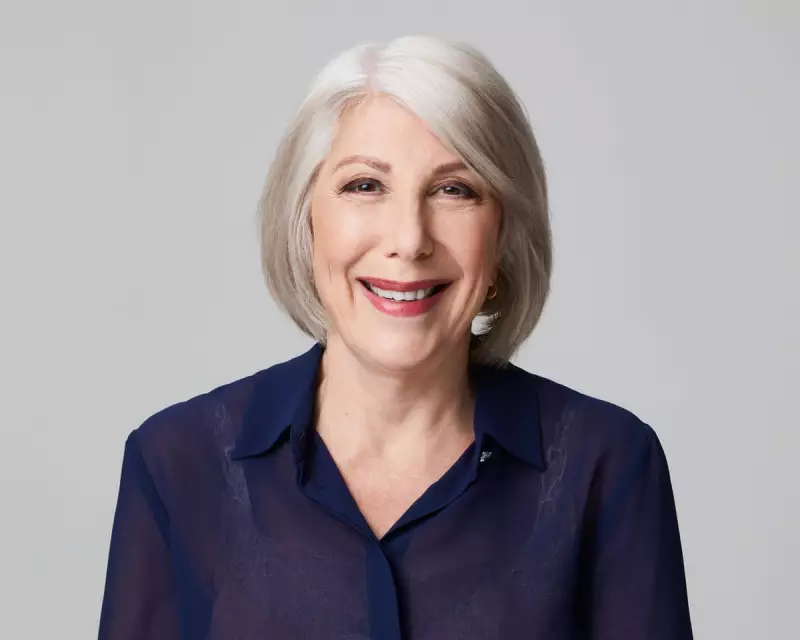
In a dramatic move highlighting deep divisions over free speech and cultural programming, Louise Adler has resigned as director of Adelaide Writers' Week (AWW). Her departure follows the Adelaide Festival board's controversial decision to disinvite Palestinian-Australian author and academic Randa Abdel-Fattah from the 2026 literary event.
A Stand Against Silencing Writers
Announcing her resignation in a column for Guardian Australia, Adler, a towering figure in Australian publishing, stated she "cannot be party to silencing writers". She expressed profound disappointment, arguing that the board's action weakens freedom of speech and signals a dangerous shift where political pressure dictates who is heard.
"Writers and writing matters, even when they are presenting ideas that discomfort and challenge us," Adler wrote. "We need writers now more than ever, as our media closes up, as our politicians grow daily more cowed by real power."

Widespread Fallout and Board Resignations
The decision to cancel Abdel-Fattah's appearance has triggered a significant backlash across the literary world. In solidarity, approximately 180 writers, commentators, and academics have withdrawn from the festival. This high-profile list includes former New Zealand Prime Minister Jacinda Ardern, bestselling author Zadie Smith, Pulitzer Prize-winner Percival Everett, and acclaimed Australian writer Helen Garner.
The festival board itself is in turmoil. Just days before Adler's resignation, four of its seven voting members, including Chair Tracey Whiting, stepped down, drastically reducing its size. Adler, who was directing her fourth festival for 2026, was highly critical of the board's rationale, describing its cited concern for "community cohesion" as a "managerialist term intended to stop thinking."
A Broader Pattern in Australian Arts?
Adler framed the incident as part of a worrying trend within Australian cultural institutions. She pointed to similar controversies, including the Melbourne Symphony Orchestra's cancellation of a concert by pianist Jayson Gillham, Creative Australia's initial withdrawal of artist Khaled Sabsabi from the Venice Biennale, and the collapse of the Bendigo Writers' Festival.
Her concerns are echoed by 17 former Adelaide Festival leaders, including nine past artistic directors, who signed an open letter condemning the board's move. They challenged the South Australian government to appoint board members with genuine arts expertise, noting a current absence of such figures.
The situation marks a stark reversal from the 2023 festival. Then, Premier Peter Malinauskas resisted pressure to defund AWW despite Adler programming several Palestinian writers, stating government interference would set a dangerous precedent. Adler noted that, in contrast, the Premier has now publicly supported the decision to axe Abdel-Fattah, though Malinauskas denies applying pressure on the board.
Adler's resignation is deeply personal. The daughter of Holocaust survivors, she has been a consistent defender of free speech and the right to criticise Israel. She studied under the Palestinian-American academic Edward Said and recalled being admonished by an Israeli ambassador in the 2000s for "airing Israel's dirty linen in public."
"It is important and it is vital for us to not look away," she told the ABC in 2023, linking her family history to the Palestinian cause. "The world looked away during the second world war... And it is incumbent upon humanity to look at what is happening in Gaza now."
With a decimated board, a mass exodus of talent, and the loss of its director, the future of one of Australia's premier literary events now hangs in the balance, becoming a focal point in the national debate on censorship, art, and politics.