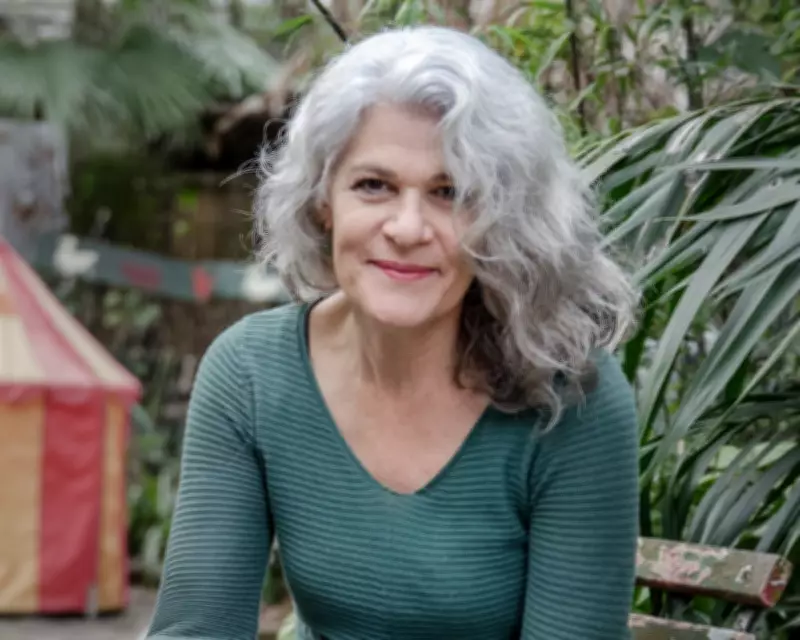
Debra Adelaide on Preserving Digital Connections to the Departed
When Australian author Debra Adelaide's closest friend passed away, she faced an unexpected dilemma regarding her phone's contact list. Rather than deleting the entry, she chose to preserve it permanently, sparking a profound reflection on contemporary grieving practices.
The Phone Call That Felt Like a Message from Beyond
Several weeks after Gabrielle Carey's death, Adelaide's phone displayed her friend's name during an incoming call. "For a few peculiar moments, I was gripped by the powerful conviction that she was actually calling," Adelaide recalls. The surreal experience created what she describes as "an indescribable mix of elation and disbelief"—a momentary suspension of reality where her brain entertained the possibility that the previous weeks had been merely a terrible dream.
Ultimately, the caller was Carey's son, using his mother's phone to manage her affairs. They shared a laugh about the bizarre situation, recognizing the strange intersection of technology and loss. "He understood how profoundly unsettling it must have been to see her name illuminated on my screen," Adelaide notes.

The Growing List of Preserved Connections
Carey was merely the first in a devastating series of losses. Within a single year, Adelaide lost four extraordinary women who had shaped her life profoundly:
- Gabrielle Carey – Her oldest friend and confidante
- Elizabeth Webby – Her former university supervisor who enabled her academic career
- Dale Spender – The catalyst for her doctoral studies
- Lynne Spender – Her high school English teacher who guided her toward writing
"These women were deleted from my world, but I shall never consciously delete their phone numbers nor their email addresses," Adelaide declares firmly.
Challenging Conventional 'Contact Hygiene'
Adelaide discovered online advice recommending quarterly "mobile phone contact hygiene"—auditing, merging, and deleting obsolete entries to improve usability. She dismisses this approach as fundamentally misunderstanding human connection. "Retaining contacts of people you have loved provides necessary tethering," she argues. "They could never be described as obsolete."
For Adelaide, these preserved digital traces serve as emotional anchors. Simply seeing a name triggers specific memories: the last conversation with Carey, the final text message from Lynne Spender before she chose voluntary assisted dying. "It's a comfort; a way of holding them close," she explains.
Grief in the Digital Age
While Elisabeth Kübler-Ross developed her seminal theories on grief stages long before smartphones existed, Adelaide believes the psychologist would recognize the value of these digital memorials. "Holding and cherishing their names like this, remembering those final conversations and rereading the last text messages, represents another necessary stage of grief," she suggests.
Adelaide's experience highlights how technology has transformed mourning practices. Where previous generations might have saved letters or photographs, contemporary grievers preserve digital artifacts—text messages, email threads, and yes, phone contacts. These become tangible connections to intangible losses.
"Is this weird? Is there something wrong with me that I can't let these beloved but dead contacts go?" Adelaide asks rhetorically. Her answer is a resounding no. In maintaining these digital connections, she honors complex relationships and acknowledges that grief doesn't follow tidy timelines or conform to organizational principles.
Her forthcoming novel, When I Am Sixty-Four, explores these themes through the lens of her friendship with Gabrielle Carey, further examining how we navigate loss while preserving meaningful connections across the boundary between life and death.