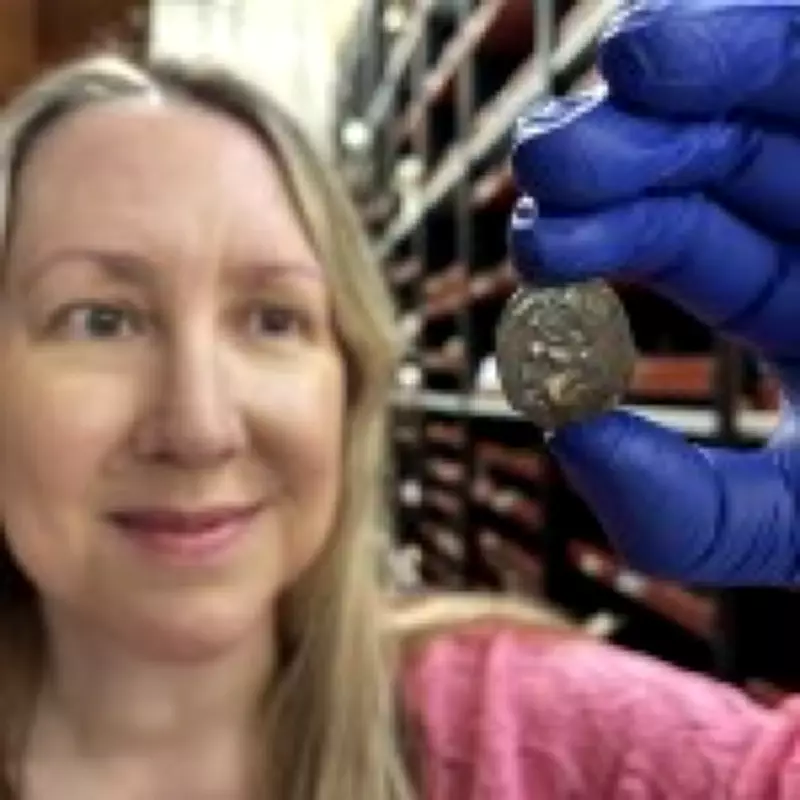
A mysterious coin used to pay a bus fare in Leeds during the 1950s has been revealed as a rare artefact dating back more than two millennia. The ancient currency, minted by a Carthaginian civilisation in Cadiz in the 1st century BC, was unknowingly handed to a bus driver and later discovered among fare collections. It has now been donated to Leeds Museums and Galleries after spending decades stored in a small wooden chest, where it will be preserved for historical study.
The Coin's Journey from Bus Fare to Museum Treasure
The coin first came into the possession of James Edwards, a former chief cashier with Leeds City Transport. His role involved collecting fares from bus and tram drivers and counting them at the end of each day. Any unusable, foreign, or counterfeit coins were set aside, and Edwards would take them home to give to his grandson Peter as curiosities.
Peter Edwards, now 77, recalled, "My grandfather would come across coins which were not British and put them to one side, and when I went to his house, he would hand me a few. It was not long after the war, so I imagine soldiers returned with coins from countries they had been sent to. Neither of us were coin collectors but we were fascinated by their origin and imagery – to me they were treasure."

Unraveling the Mystery of the Ancient Artefact
Peter kept the coins safe for over 70 years, but one in particular puzzled him due to its unusual markings. Determined to uncover its origins, he conducted research that revealed the coin was produced in what was once a Carthaginian settlement on the Spanish coast. The ancient piece features the face of the god Melqart, often likened to the Greek hero Herakles, wearing a distinctive lionskin headdress.
At the time, Phoenician coins were sometimes designed with Greek-style imagery to appeal to traders. Realising the coin's historical significance, Peter contacted Leeds Museums and Galleries and offered it as a donation so it could be properly studied and preserved.
A Legacy of Curiosity and Historical Preservation
Peter added, "The coin always fascinated me because it was hard to decipher where it came from. My first thought when I found out its origin was that I would like to return it to an institute where it could be studied by all, and Leeds Museums and Galleries kindly offered to give it a good home. My grandfather would be proud to know, as I am, that the coin is coming back to Leeds. However, how it got there will always be a mystery."
The coin will now form part of the collection at Leeds Discovery Centre, which houses thousands of items from cultures spanning centuries of global history. This donation highlights the unexpected ways historical artefacts can surface in everyday life, from a simple bus fare to a museum exhibit.