Sir Douglas Mawson is immortalised in history as Australia's pre-eminent Antarctic explorer, a man who survived a harrowing 1912 expedition that claimed the lives of his two companions. Yet, a lesser-known but equally profound passion consumed him for decades: unlocking the geological secrets of South Australia's ancient and spectacular Flinders Ranges.
A Two-Decade Decoding Mission
Now, a dedicated team of volunteers at the South Australian Museum is nearing the completion of a monumental twenty-year project. Their mission has been to transcribe and digitise Mawson's 31 field diaries, penned during 95 Australian expeditions from 1906 until the 1950s. These notebooks, filled with what volunteer Tim Tolley describes as "a lot of scribble", were written between his famed polar voyages.
The challenge has been immense. Mawson's handwriting deteriorated with age, and he employed a personal shorthand and archaic terminology. The team, which includes Mawson's grandson, Alun Thomas, and palaeontologist Professor Jim Jago, has painstakingly analysed each page. Mark Pharaoh, the museum's Senior Collection Manager for the Australian Polar Collection, notes that while the early diaries are manageable, "the older he got … the more indecipherable it is." Thomas jokes about having a "genetic disposition" to read his grandfather's script.

From Polar Ice to Ancient Rocks
Mawson's Antarctic legacy is the stuff of legend. During the 1912 Far Eastern Party trek, his companion Belgrave Ninnis vanished into a crevasse with most of their supplies. Mawson and Xavier Mertz were forced to eat their sled dogs to survive, but Mertz later perished. Mawson, cutting his sledge in half to lighten the load, endured falls into crevasses and a five-day blizzard to make a solo return, only to miss his rescue ship by hours.
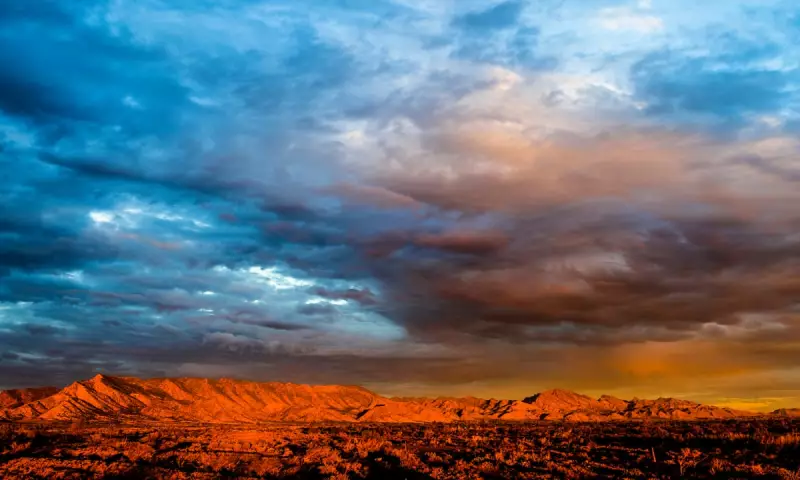
Yet, Pharaoh highlights the fascinating crossovers with his work in the Flinders Ranges. "He would take his polar pyjamas and wear them in the outback – you know how cold it can get," he says. Mawson was captivated by the ranges, which are hundreds of millions of years old and contain a globally significant record of the Ediacaran explosion of early complex life, putting them on UNESCO's tentative World Heritage list.
The Rock Detective and Curie's Influence
Mawson's field trips often included University of Adelaide geology students. One, Reg Sprigg, later fulfilled Mawson's wish by purchasing land to create the Arkaroola Wilderness Sanctuary, which remains in his family's care today.
State government geologist Stephen Hore has been working as a "rock detective" with the museum volunteers. Using Mawson's "mud maps" and photographs, Hore has pinpointed 106 geological sites the explorer visited, which will form a new three-day walking trail. One discovery revealed Mawson was searching for uranium, inspired directly by the pioneering scientist Marie Curie, whom he met in Paris in 1911. "Madame Curie put him on to that," Hore confirmed.
After two decades of meticulous work, the diary transcription is in its final stages. The project not only preserves the writings of a national hero but also illuminates the profound scientific curiosity that drove him from the frozen south to the ancient heart of Australia, ensuring this "polar opposite pursuit" is forgotten no longer.