Charging for Museums Could Erode Britain's Global Cultural Influence
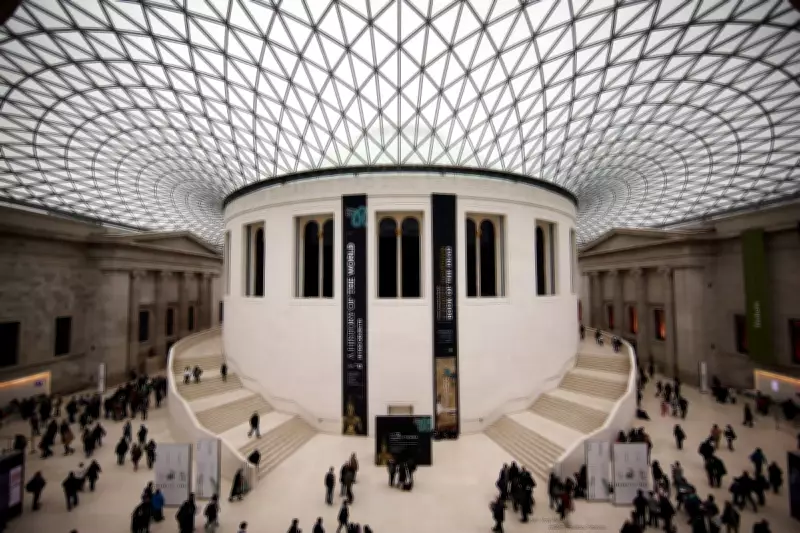
Recent discussions about introducing fees for museum entry in the UK have sparked concerns over the potential erosion of Britain's soft power. The National Gallery's financial struggles have brought this issue to the forefront, with ministers reportedly considering charges for international tourists to view permanent collections as part of new arts funding initiatives. This move highlights a troubling trend: the government may be underestimating the broader value of museums as instruments of cultural diplomacy and public engagement.
The Critical Role of Free Access in Maintaining Relevance
Free exhibitions are essential for keeping the public connected to museum culture. With ongoing funding shortfalls, museums face increasing challenges in justifying investments in innovative projects that are vital for the sector's success. Backtracking on free entry is not a viable solution; if implemented, museums might rely solely on their historical legacies to attract interest. However, legacy alone does not guarantee survival in today's dynamic cultural landscape. Success for any cultural institution depends on its ability to remain relevant and appeal to new audiences.
Recent initiatives, such as the Natural History Museum's collaboration with Pokémon, demonstrate that legacy museums can evolve into dynamic entities that captivate diverse demographics. Sourcing funds for new exhibitions is crucial to maintaining this relevance. If fees are introduced, museums risk excluding individuals who cannot afford to pay, thereby stifling cultural curiosity and failing to inspire future generations of museum-goers.

Case Studies: V&A East Storehouse and King's Cross Regeneration
A visit to the V&A East Storehouse serves as a powerful reminder of London's position at the forefront of global culture. This world-class facility, a working storehouse made radically accessible, features innovative wayfinding and beautifully engineered displays that place visitors at the heart of the narrative. Its free entry astonished a New York friend accustomed to entry fees exceeding $25, showcasing how a once-derelict area can attract global attention, creativity, and community energy. The upcoming opening of the V&A East Museum in May is highly anticipated.
Similarly, the King's Cross regeneration project, celebrating its 20th anniversary this year, exemplifies successful urban renewal. Once a run-down area, it now buzzes with confidence, integrating culture, education, sport, and technology in a synergistic manner. Google's decision to choose London over other European cities ignited initial interest, but the project's maturity and organic appeal to diverse crowds underscore its success.
Cultural Highlights and Community Insights
The recent Life After Death Fest at Walthamstow Trades Hall offered a vibrant snapshot of London's cultural diversity. This DIY black-metal festival, held in an old working men's club, featured folksy experimental acts and Peruvian ritual-inspired performances, creating a weird yet wonderful experience marked by enthusiasm and warmth. It highlighted a global cultural movement on a uniquely London stage.
On a culinary note, Indian Veg on Chapel Market in Angel provides an unforgettable dining experience. This decades-old vegetarian buffet, adorned with health tips and life advice from owner Mohammed Safa, serves as a shrine to vegetarianism. It attracts a diverse clientele, from barefoot mystics to city professionals, fostering a sense of equality and community that embodies London's cultural richness.
In summary, maintaining free museum access is paramount for preserving Britain's soft power and cultural relevance. Charging fees could lead to decreased public engagement, reduced innovation, and a loss of inspiration for future generations, ultimately darkening the prospects for the cultural sector.