UK Museums Store Vast Collection of Human Remains, Investigation Shows
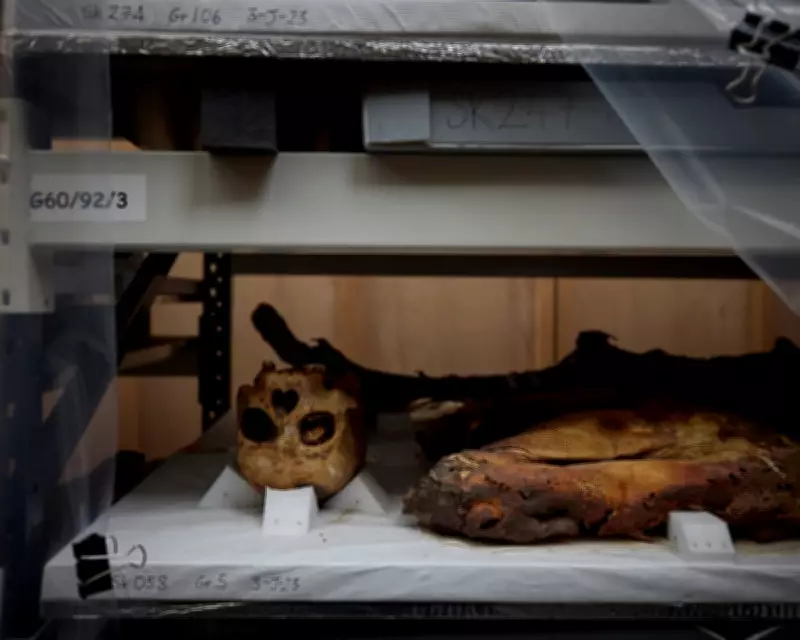
A comprehensive investigation by the Guardian has revealed that British institutions, including museums, universities, and local authorities, hold more than 263,000 items of human remains. This staggering figure, based on freedom of information requests, highlights the extensive and often controversial collections amassed from around the world.
Scale and Composition of the Collections
The study found that 241 UK entities possess these remains, which range from complete skeletons and Egyptian mummies to body parts like bones, hair, teeth, and nails. Many remains are incorporated into cultural artefacts, adding to the complexity of cataloguing. Due to inconsistent record-keeping and fragmented inventories, the actual total is likely significantly higher than the reported 263,228 items.
Only 100 institutions provided precise or estimated counts of individuals represented, totalling approximately 79,334 people. Notably, the University of Cambridge did not disclose a number, citing difficulties with commingled and fragmented remains. However, a 2003 report indicated its Duckworth Laboratory holds around 18,000 individuals, potentially bringing the recorded total to about 97,334.

Leading Holders of Human Remains
The Natural History Museum in London appears to have the largest collection, with an estimated 27,500 individuals represented by 27,864 catalogue records. Other major holders include the University of Cambridge, which manages about 20,110 items in its Duckworth Laboratory, with 9,399 originating from outside the UK. The University of Bristol estimates it holds "well over" 20,000 items, representing around 2,000 individuals, while the University of Winchester stores 30,488 items from 150 UK-excavated skeletons.
Origins and Ethical Concerns
Of the known remains, 166,124 items (63%) are recorded as originating from the UK, with 122,747 from archaeological excavations. Overseas remains account for 37,996 items, with an additional 16,236 of unknown origin. Collections include 28,914 items from Africa, Asia, the Americas, and Oceania, held by 97 institutions.
The acquisition of these overseas remains often involved unethical practices, as noted in a 2003 government report. Many were taken under duress, deceit, or unlawful removal, with colonised peoples unable to prevent such actions due to power imbalances. This has led to calls from descendants, such as those of Zimbabwean resistance heroes, for the repatriation of looted remains.
Legal Framework for Repatriation
Section 47 of the Human Tissue Act allows nine national museums, including the British Museum and Natural History Museum, to deaccession human remains if they belong to individuals who died less than 1,000 years ago. However, legal restrictions often prevent these institutions from removing items unless they are duplicates or damaged. In contrast, local authorities and universities face fewer limitations, enabling more flexible responses to restitution claims.
This investigation underscores ongoing debates about colonialism, heritage, and ethics in museum collections, urging a reevaluation of how human remains are managed and returned to their communities of origin.