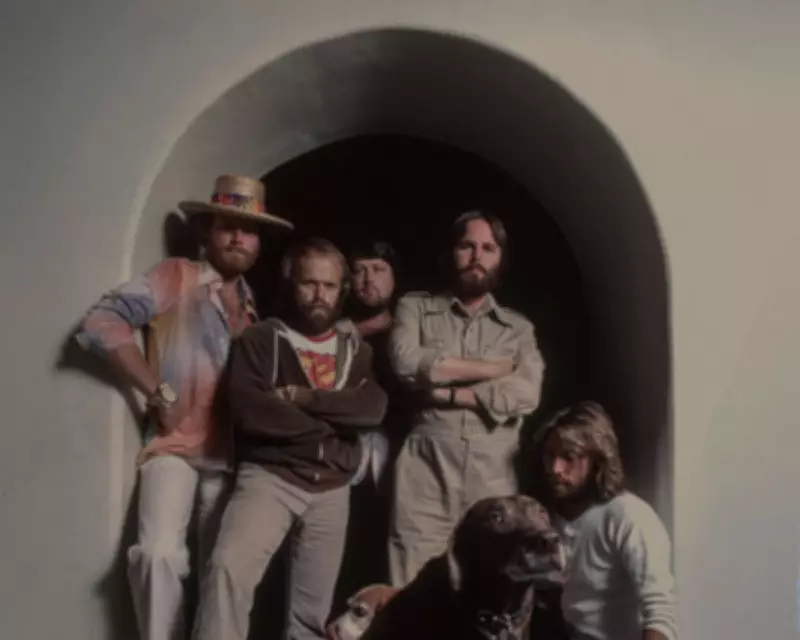
Beach Boys Box Set Unveils Hidden 70s Era of Turmoil and Talent
A new 73-track box set, We Gotta Groove – The Brother Studios Years, delves into a deeply peculiar and often overlooked chapter in the Beach Boys' career, spanning from 1974 to 1977. This collection sheds light on a time when the band's commercial revival masked underlying struggles, particularly those of their leader, Brian Wilson.
The Illusion of a Comeback
On the surface, the mid-1970s appeared to be a triumphant period for the Beach Boys. Their fortunes had been revived by hugely successful compilations, such as Endless Summer in the US, which sold 3 million copies, and 20 Golden Greats in Britain, becoming the country's second-biggest-selling album of 1976. Brian Wilson was publicly heralded as "back" after years of addiction and mental health issues, with advertising campaigns promoting his return as sole producer for 15 Big Ones, the first Beach Boys album since Pet Sounds to bear his name in that role.
Recorded at their newly founded Brother Studios and supported by an hour-long TV special, 15 Big Ones became their most successful album of new material in 11 years. However, the reality was far more complicated. Media reports at the time revealed Wilson's ongoing health struggles, with a Rolling Stone journalist noting his request for drugs during an interview and expressing concerns about his controversial psychologist, Eugene Landy. Onstage, Wilson appeared visibly distressed and made no musical contribution, leading critics to question the authenticity of his recovery.

Artistic Struggles and Hidden Gems
15 Big Ones itself was a hastily assembled mix of cover versions and weak new material, marred by internal disagreements and disparaged by band members upon release. Dennis Wilson famously described one track as a "piece of shit," and the album failed to sustain public interest, with the Beach Boys not scoring another Top 10 album of new material for 36 years. The box set tactfully skirts around this album, including only a few outtakes that do little to enhance its reputation, such as Mike Love's rendition of the novelty hit Running Bear.
Instead, We Gotta Groove focuses on the less commercially successful but artistically intriguing successor, Beach Boys Love You from 1977. Entirely composed and mostly played by Brian Wilson, this album marked a radical departure with its synthesiser-dominated sound and represented a significant improvement. Tracks like Let Us Go on This Way burst with more energy than anything on 15 Big Ones, though the lyrics—ranging from charmingly naive to excruciating—spark debate among listeners.
Brian Wilson's Creative Highs and Lows
Despite the quirky lyrics, Wilson's songwriting talent remained evident in beautiful melodies and stacked vocal harmonies on songs like The Night Was So Young and Airplane. Emboldened by this project, Wilson ventured into pre-rock'n'roll pop with the unreleased Adult/Child, drawing inspiration from George Gershwin and the Four Freshmen. This collection includes stunning tracks such as Still I Dream of It and Deep Purple, showcasing Wilson's ability to craft sumptuously orchestrated ballads that echo earlier eras.
However, the project derailed with the inclusion of unrelated tracks like the creepy Hey Little Tomboy and early 70s outtakes, such as HELP Is on Its Way, a bizarre paean to organic food. Mike Love's dismissive reaction—"What the fuck do you think you're doing?"—led to the album's cancellation, mirroring the fate of the legendary Smile sessions.
The Downward Spiral and Legacy
The subsequent years saw the Beach Boys' artistic judgment decline catastrophically, with albums like MIU Album and LA (Light Album) hitting new lows. We Gotta Groove captures this wild variability in quality, offering music that, while not matching the band's iconic earlier work, remains fascinating for its strange diversions and dead ends. For dedicated fans, this box set provides a compelling glimpse into a period when the Beach Boys were never boring, even as they navigated turmoil and fleeting moments of brilliance.