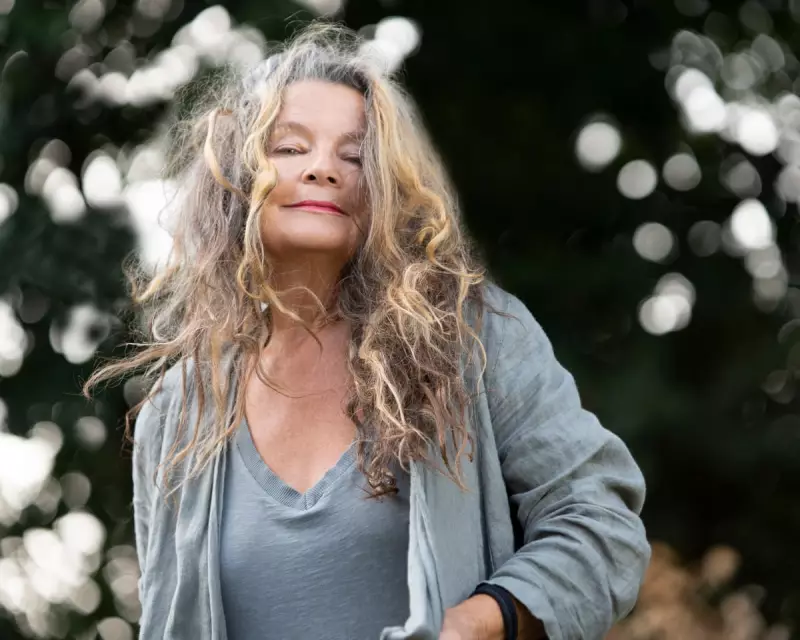
Eve Libertine, the formidable voice behind anarcho-punk pioneers Crass, has returned with a blistering new live album that proves she hasn't softened with age. Recorded at a single London performance in April 2024, Live at the Horse Hospital sees Libertine collaborate with Chilean guitarist Eva Leblanc to reinterpret tracks from her extensive back catalogue.
A Confrontational Legacy Revisited
Produced by Crass founder Penny Rimbaud, the new work blends performance art, experimental music, and earth ritual. Libertine's strident, operatic vocals sound more than ever like a soothsayer foretelling an apocalypse. The album is not an easy listen, but that was never the point for Crass either.
Reflecting on her time with the band, Libertine is candid. "We never had much fun, to be honest," she reveals. "It was really heavy going at times. We were angry; we were trying to say things in a way that was confrontational and shocking to get a reaction. And we definitely did."

Outraging the Establishment
Crass formed as a shouty agit-punk band in the 1970s from the Dial House farm commune in Essex. The band's nucleus included Rimbaud on drums and Steve Ignorant on vocals, with Libertine joining after first being a fan at their sparsely-attended gigs. "There was one where I was the only person left in the audience, pogoing alone in front of the stage," she recalls.
The band's radical politics made them a constant target for the authorities. They faced multiple legal cases, including:
- A blasphemy charge for their 1978 track Reality Asylum, which saw Scotland Yard's vice squad raid Dial House.
- An attempt by Tory MP Timothy Eggar to prosecute them under the Obscene Publications Act for their 1983 Falklands protest song How Does It Feel (To Be the Mother of 1,000 Dead).
One charge that did stick was brought by Manchester police in 1981 against the song Bata Motel, which Libertine has revisited on her new album. A judge deemed the track, a detailed depiction of living as a woman under the male gaze, "sexually provocative and obscene."
Libertine finds the episode somewhat amusing now. "Much to Penny's chagrin," she laughs. "He would have liked to be prosecuted, and in the end it was me who was." The court hearing descended into farce when the defence played a Peter Cook and Dudley Moore album about Jesus, causing such hysterics that the judge threatened to put anyone else who laughed in the cells.
Enduring Relevance and Shifting Solutions
Libertine argues that Bata Motel is "quite the opposite" of sadomasochistic, and its lyrics about women studying themselves "in your reflection, and put it to rights with savage correction" have become, if anything, more resonant. "When I see what women are doing to themselves with tucks and silicon, and injections, facelifts at a young age ... sadly that line could have been written today," she observes.
While she believes the core issues she has railed against since the 70s remain - "warmongers, devastation, fucking the earth" - her proposed solutions have shifted. Surprisingly, she doesn't call herself a feminist. "Our ideologies can hold us back," she explains. "I don't call myself anything with an -ist on the end, because it can be co-opted."
She advocates looking beyond political armour to recognise our shared humanity. "When I look at my own fears and pettiness, my ego, I just want to see it for what it is and, in doing that, hopefully somehow see beyond it."
When asked what still drives her art after all these years, her answer is immediate and uncompromising: "Anger. Anger, compassion, rage - and love." Eve Libertine's fire, it seems, burns as fiercely as ever.