For over two decades, the Jewish klezmer-dance collective Oi Va Voi has performed across the globe, blending traditional Eastern European folk melodies with contemporary drum 'n' bass and dance rhythms. Yet this year, the band experienced a first: the abrupt cancellation of two homecoming gigs in the UK following protests from activists, an event that has left its members feeling targeted for their identity.
The Bristol and Brighton Cancellations
Drummer Josh Breslaw, 52, was anticipating a spring tour finale with his bandmates. The plan included a performance at the Strange Brew venue in Bristol in May, followed by a show in Brighton, where Breslaw resides. However, after local activists protested the band's past performances in Israel and collaborations with Israeli singer Zohara, Strange Brew called off the event, citing "the ongoing situation in Gaza".
To be informed they failed to meet the venue's "ethical standards" was a devastating blow, Breslaw described, labelling the decision as profoundly unjust. The situation worsened when the Brighton promoter also cancelled in solidarity. "It changed how I felt about the city, how I felt about parts of the music industry," Breslaw reflected. While the Brighton promoter later apologised, Strange Brew only issued a statement in November admitting it had "made a mistake", suggesting the scrutiny arose because Oi Va Voi is "a Jewish band performing with an Israeli singer".

A Climate of Fear and Scrutiny
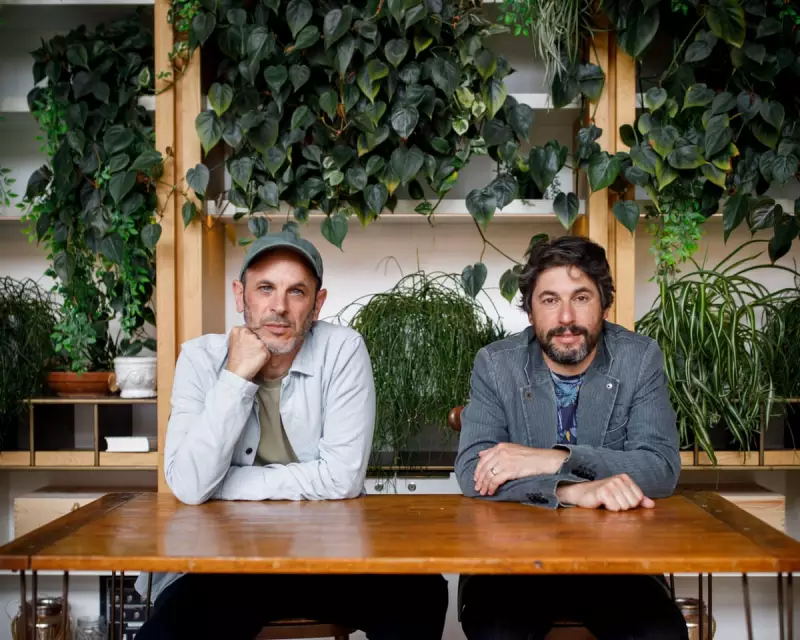
Meeting at the JW3 Jewish community centre in north London, Breslaw and clarinetist Steve Levi, 49, conveyed the rawness of the experience. The centre itself, offering panto shows and craft classes, is emblematic of heightened security concerns, with thorough airport-style checks at the entrance—a reality for many Jewish spaces since the deadly Manchester synagogue attack.
Levi expressed frustration at having to hire extra security for a recent London gig, stating, "Musicians shouldn't have to look over their shoulder when they're on stage." Against a backdrop of fragile ceasefires and febrile public discourse, Oi Va Voi's experience is not isolated. They share reservations about a reinvigorated cultural boycott campaign targeting links with Israel, which they argue risks blurring into the targeting of Jews.
Instances include cancelled UK gigs for Radiohead's Jonny Greenwood with Israeli musician Dudu Tassa after threats, and the Edinburgh Fringe cancellations of shows by Jewish comedians Rachel Creeger and Philip Simon, the latter citing his "views concerning the humanitarian situation in Palestine".
Music as Identity and Response
Formed in the early 2000s, Oi Va Voi emerged from friends experimenting with their heritage, fusing klezmer tunes from their grandparents' era with the breakbeat, soul, and jazz of their own. The band has played Glastonbury, won BBC Radio 3 awards, and performed across Europe without incident, including in Turkey where they garnered a dedicated following.
Their music often explores exile and migration, resonating widely. Amid the cancellation furore, Breslaw received a message from a young Iranian who listened to their 2003 song Refugee daily before seeking asylum. "These people that are cancelling us have no concept of what we have tried to do with our music," he said.
The band faced specific allegations from activists about playing in "occupied Palestinian lands"—they have performed in Tel Aviv, not occupied territories—and objections to an album cover by singer Zohara, which unintentionally featured symbolism associated with Palestinian resistance. The bandmates stress Zohara is a vocal anti-war protester in Tel Aviv, critical of the Netanyahu government.
Navigating Politics and Principle
Oi Va Voi have deliberately avoided making public statements about the war, arguing British Jews are not accountable for a foreign government and that artists should not be compelled to declare a stance. "We don't want to be dragged into a culture war from the hard right," Breslaw emphasised.

He also defended the complexity of diaspora emotions, where many British Jews have family in Israel. "If you call for the destruction of that place, it's going to make people feel worried and uneasy." The band hasn't ruled out playing in Israel again, arguing cultural boycotts can isolate the very voices, like Zohara's, who are protesting for peace.
In response to the cancellations, the band released the defiant dance track Back to My Roots, built around a klezmer melody and featuring cantorial singing and the shofar horn. For Levi, it's about "standing proud, restating what you're about". Their new album, The Water's Edge, and songs like Dance Again—a response to the Nova festival massacre—carry a theme of defying adversity with hope.
Returning to live performance is an act of resilience, but Breslaw notes a lingering wariness among some bookers afraid of "the heat of the intimidatory tactics". He understands the fear of backlash but poses a critical question: "If everyone does that, where does that leave us?" For Oi Va Voi, the answer lies in continuing to play, a testament to a minority's determination not to be erased from the cultural landscape.