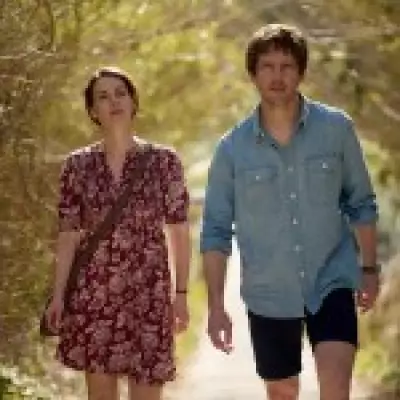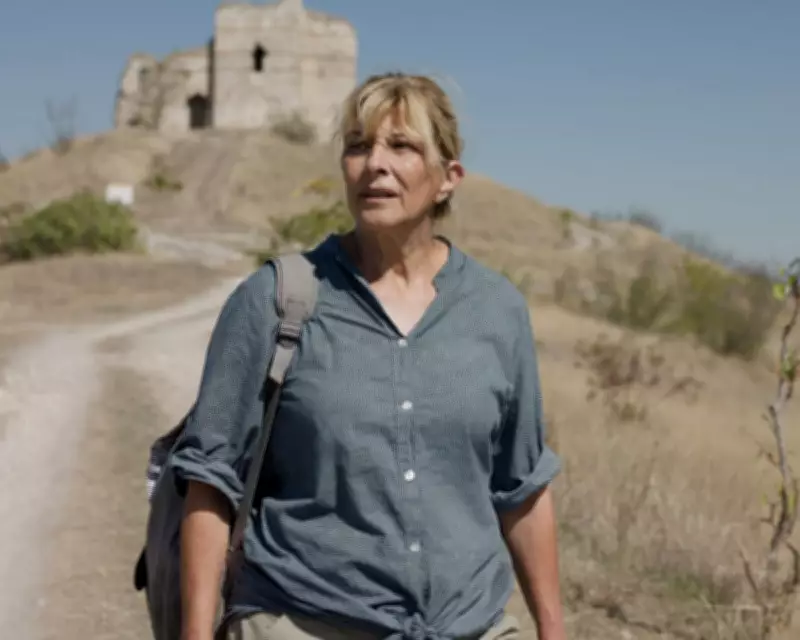
Valeska Grisebach's new drama The Dreamed Adventure, which premiered at the Cannes film festival, is a complex and opaque exploration of digging up the past and hiding secrets in the present. Set in Bulgaria's remote mountainous countryside, the film shares thematic and stylistic similarities with Grisebach's previous work Western. The narrative tracks an archaeologist whose dig is interrupted by an old friend involved in shady business deals, weaving together memories of the Balkan wars and communist era with contemporary organized crime.
Plot and Characters
The protagonist, Veska (Yana Radeva), runs an archaeological excavation in Matochina, southeastern Bulgaria. Her work is disrupted when she encounters Saïd (Syuleyman Alilov Letifov), an old acquaintance who has returned to the region after decades away. Saïd is involved in purchasing stolen diesel fuel from a local criminal known as Raven, and he declines an offer to participate in a human trafficking network. His arrival stirs resentment among locals who recall his past theft of a cigarette shipment, in which Veska was also implicated before she reinvented herself as an archaeologist. Saïd's old Passat car is stolen, and he disappears temporarily without clear explanation. In his absence, Veska takes it upon herself to sell the contraband diesel, though this occurs off-screen. She confronts Illya, a gang boss who wants to build a road on her dig site and whose trafficking business threatens a teenage girl working on the excavation.
Stylistic Approach
Grisebach employs nonprofessional actors in many scenes, creating authentic, convivial moments around tables with eating, drinking, and reminiscing. These scenes exude an easy, garrulous energy that doesn't always serve a clear narrative purpose. The director shows a reluctance to conform to conventional storytelling templates. While the film adheres to Chekhov's rule about the gun introduced in act one (or act two here), the denouement avoids typical arthouse violence. However, the film's meaning remains elusive, as if Grisebach is improvising through ambient detail toward a conclusion that is never fully reached.

Themes and Setting
The film's interest lies in its incidental details: the ruggedly beautiful Bulgarian countryside, stately communist-era restaurants and hotels, and a parade of characters including Polish women working in a solar-panel factory. These elements feel authentic and contribute to the film's texture. The Dreamed Adventure explores buried secrets, the lingering impact of history, and the ruthlessness required to exploit resources in a region where memories of war and communism remain fresh. The narrative touches on organized crime, human trafficking, and the tension between preservation and development.
Overall, The Dreamed Adventure showcases Grisebach's fluent and distinctive filmmaking language, but its opaque storytelling may leave audiences searching for a clearer message. The film screened at the Cannes film festival as part of the official selection.