Tim Booth's Candid Musical Confessions: A Journey Through Sound and Soul
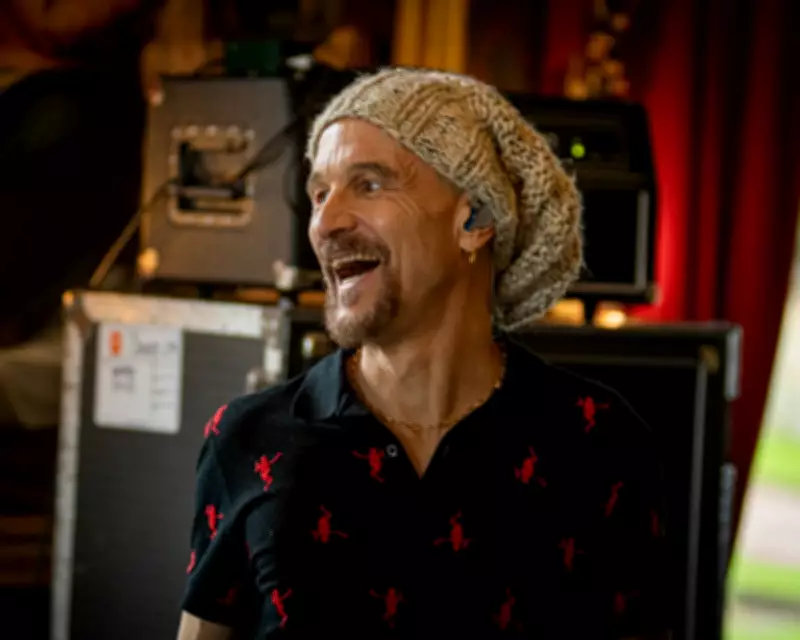
In a revealing and deeply personal interview, Tim Booth, the iconic frontman of the band James, opens up about the songs that have shaped his life, from childhood initiations to adult revelations. His honest playlist offers a window into the soundtrack of his experiences, blending moments of pain, joy, and intimacy with the power of music.
The First Spark: Leonard Cohen's Poetic Initiation
At just eight years old, Tim Booth was introduced to the world of adult romance and poetic depth through his older sister, Penny. She played him So Long, Marianne by Leonard Cohen, an act he describes as a kind of initiation into real artistry. This song felt like contraband in his otherwise white, suburban upbringing, offering a tantalizing glimpse into relationships beyond a child's understanding. Booth recalls wanting to impress his sister, a sentiment that fueled his early appreciation for music's emotional weight.
Patti Smith: The Divine Influence
By age 15, Booth had discovered Patti Smith, ordering her single Hey Joe/Radio Ethiopia through the post. He would play it with a reverence akin to treating it as the word of God, highlighting Smith's profound impact on his musical sensibilities. This early devotion set the stage for a lifelong connection to her work, which would later serve as a source of healing during times of personal crisis.

Music as Medicine: A Lifeline in Grief
One of the most poignant moments in Booth's musical journey came at age 16, when he first heard Patti Smith's Birdland on the night he learned his father might die. This song taught him that music could be medicine for pain, offering solace and a path to alternative healing. The lyrics, referencing maverick psychotherapist Wilhelm Reich, inspired Booth to explore realms of wellness that have since enriched his life.
Intimate Soundtracks: Brian Eno's Ambient Influence
By 18, Booth was having sex to the ambient sounds of Brian Eno's Discreet Music, an experience that forever linked Eno's compositions with intimacy rather than new age relaxation. He notes that this music slows everything down, a quality he believes men need and women appreciate, making it an ideal backdrop for making love.
Party Anthems and Karaoke Quirks
For party vibes, Booth praises Underworld's 8 Ball as slinky, sexy, and seductive. While he typically avoids karaoke, he admits a soft spot for Val Doonican's Paddy McGinty's Goat, showcasing his eclectic taste. He also reflects on songs he's outgrown, like Cockney Rebel's Sebastian, which now sounds preposterous to him.
Secret Loves and Emotional Triggers
Booth reveals hidden appreciations for artists like Billie Eilish and Beyoncé, whom he finds incredible despite their divergence from his usual canon. He also shares that Don McLean's Vincent, about Vincent van Gogh, moved him to tears in his youth. For morning routines, he prefers quiet over music, needing a cup of tea to gather his thoughts slowly.
Tears and Tributes: Nina Simone's Raw Power
The live version of Nina Simone's I Wish I Knew How It Would Feel to Be Free destroys Booth emotionally, as it embodies the weight of Black oppression and mental health struggles. He admires how Simone walks an incredible line between functionality and raw expression in her performance.
A Final Farewell: Jocelyn Pook's Funeral Song
For his funeral, Booth chooses Upon This Rock by Jocelyn Pook, a track James uses as intro music before taking the stage, symbolizing a full-circle moment in his musical and personal journey.
Tim Booth's debut novel, When I Died for the First Time, is now available in hardback and audiobook, while James embarks on a tour in April, continuing to share his artistic vision with the world.