Lord of the Flies Review: Jack Thorne's Adaptation Lacks Original's Power
In 2026, the BBC has commissioned a new adaptation of William Golding's harrowing 1954 novel, Lord of the Flies, a postwar allegory that explores tyranny, democracy, and the fragility of civilisation. This four-part series, written by Jack Thorne following his success with Adolescence, attempts to reimagine the GCSE staple but ultimately falls short of the original's impact.
Strong Performances Amidst a Flawed Script
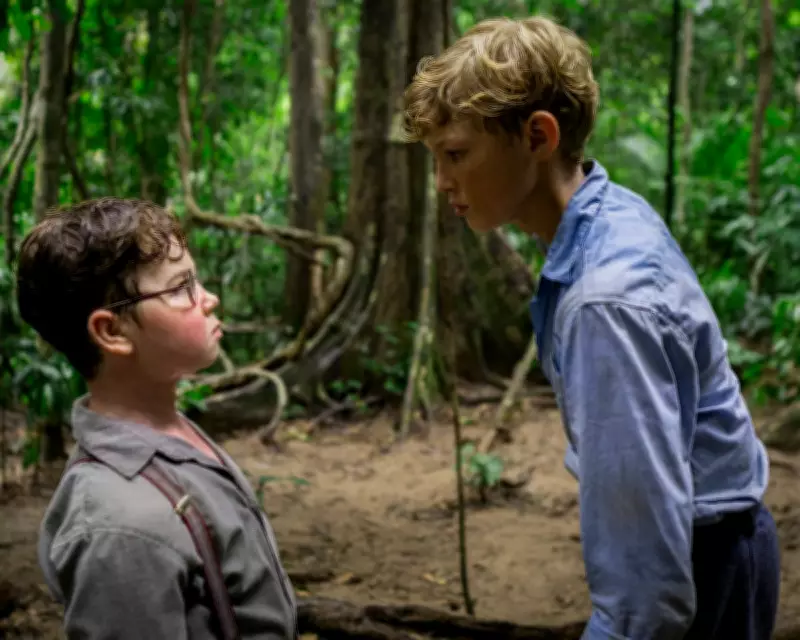
The acting in this adaptation is absolutely excellent, with standout performances from the cast. David McKenna, in his first screen role as Piggy, delivers a brilliant portrayal, capturing the character's vulnerability and intelligence. Lox Pratt as Jack brings a dark charisma, effectively showcasing a child's innate understanding of human weakness. Winston Sawyers as Ralph provides a steady, unshowy leadership contrast. However, the script is not great, often feeling unevocative and unconvincing. Lines such as "You're having a jolly good time, aren't you?" or "This is a bad camp of bad people!" lack the depth needed to instill the dread central to Golding's tale.
Slow Pacing and Modern Psychological Curse
The adaptation unfolds very slowly, with much of the runtime dedicated to lingering shots of the idyllic landscape or the boys playing, accompanied by jangling strings to heighten anticipatory dread. This approach seems to rely heavily on viewers' familiarity with the story rather than building tension independently. Each episode feels simultaneously bloated and thin, a issue exacerbated by the use of a denatured colour palette during violent scenes, which comes across as a gimmick masking the absence of real emotion.

Furthermore, the series falls victim to the modern curse of psychology, providing neat backstories for all main characters. For instance, Jack's tyranny is explained by a loveless household, while Ralph's compassion stems from a secure home with an ill mother. Simon's mental fragility is attributed to an abusive father. This reduces the elemental power of Golding's story, which questions the inherent evil in humanity and whether it can be overcome, rather than focusing on therapeutic needs.
Comparison to Golding's Original Vision
William Golding's novel was born from his reaction to reading RM Ballantyne's Victorian classic, The Coral Island, to his children in the late 1940s. Golding's wife encouraged him to write a book about boys stranded on an island behaving realistically, leading to a dark counterpoint that suggests untrammelled human rule leads to destruction. Thorne's adaptation brings a different character to the forefront in each episode, starting with Piggy after the plane crash, but it lacks the dread and moral complexity of the original. The battle between might and right, as boys abandon morals under Jack's leadership, unfolds without the gripping intensity Golding achieved.
In summary, while the acting is commendable, Jack Thorne's take on Lord of the Flies is nowhere near the original's power. It airs on BBC One and is available on iPlayer in the UK, and on Stan in Australia.