The Pitt's Unhinged Fandom Is Ruining a Prestige TV Phenomenon
In the world of television, few shows have captured the raw intensity of healthcare like The Pitt, a real-time medical drama that swept the Emmys in its debut season. Yet, as the series progresses, a growing segment of its fanbase is spiraling into toxicity, threatening to undermine the very essence of what makes the show compelling. From online rants to personal attacks on creators, this unhinged behavior is turning fandom into a battleground rather than a celebration.
When Fan Expectations Clash with Artistic Vision
The core issue lies in a fundamental mismatch between fan expectations and the show's artistic direction. The Pitt prides itself on portraying the gritty realities of healthcare, tackling themes like systemic overstretch, high costs, and ethical dilemmas—often described as "Sesame Street for adults." However, many fans reject this nuanced approach, demanding instead a sanitized version where characters and plots align perfectly with their personal ideologies. Producer John Wells has emphasized a commitment to "factually happening" storytelling, avoiding politicized preachiness, but this has only incensed viewers who crave clear villains and moral certainty.
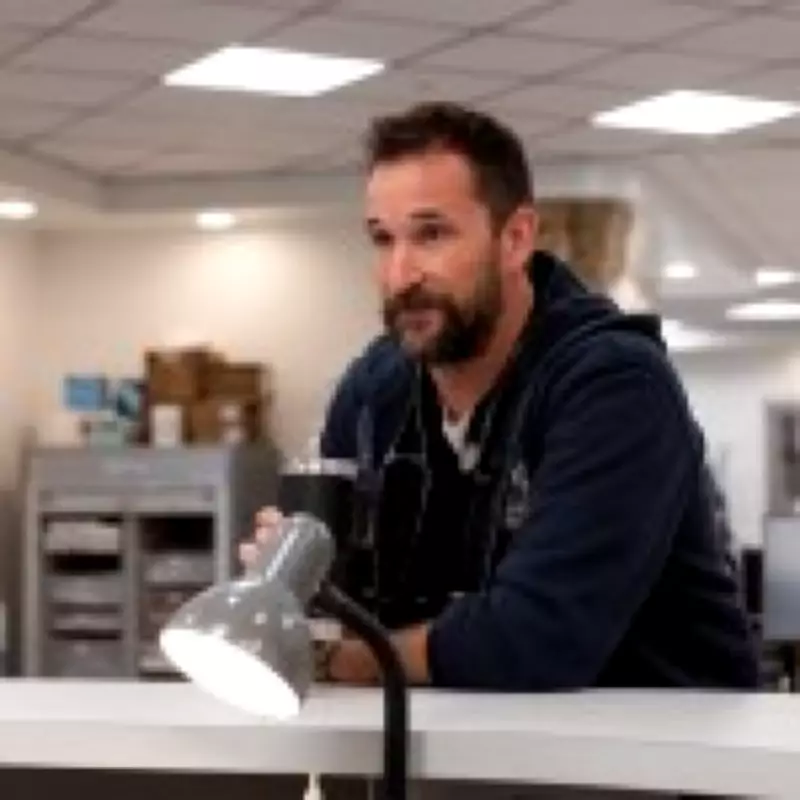
For instance, the show's refusal to feature a traditional antagonist is a hallmark of its realism. Characters like Dr. Langdon, who struggles with addiction while mentoring others, embody the complexity of human nature. Yet, some fans, unable to reconcile these flaws, have turned their frustration toward star Noah Wyle, conflating his role as Dr. Robby with his off-screen influence. When actress Supriya Ganesh exited the show for storyline reasons, outrage erupted, with Wyle unfairly branded as a "serial killer" figure—a stark overreaction that highlights the fandom's descent into paranoia.

The Toxic Spiral of Modern Fandom Culture
Fandom once denoted deep, passionate engagement, reserved for diehards like Trekkies. Today, it has been diluted to include anyone who enjoys a show, leading to chaotic discussions where self-appointed "ambassadors" claim ownership over its narrative. This sense of entitlement fuels backlash against any deviation from their vision, whether it's decrying moments as "too woke" or "not woke enough." The recent ICE raid storyline, criticized for being too balanced, exemplifies this divisiveness, despite Wells' intent to avoid choir-preaching.
Moreover, Wyle's ill-advised jokes about on-set behavior sparked exaggerated claims that he had abandoned acting for toxic masculinity, illustrating how minor missteps are magnified into full-blown scandals. This pattern mirrors broader trends in fandom, where psychoanalysis and bullying replace constructive critique. As one observer quipped about including "Fandom in the DSM VI," the mental health reference book, the behavior borders on pathological obsession.
Why Showrunners Shouldn't Cave to Fan Pressure
The demand for fan satisfaction above all else is not only unrealistic but detrimental to creative integrity. Entertainment thrives on challenge and discomfort, yet The Pitt fans often treat any deviation as an objective failure. This moralistic approach ignores that the show's strength lies in its willingness to explore uncomfortable truths, such as Dr. Robby's mental health struggles, which some viewers dismiss as "not what they signed up for."
In essence, the fandom's inability to handle misdirection or flawed protagonists reflects a broader cultural shift where media consumption is viewed as a moral responsibility. Rather than engaging with the art, many resort to paranoid overanalysis and personal attacks, undermining the very stories they claim to love. As the backlash builds, it's crucial to remember: The Pitt is just a TV show—a brilliant one at that—and its value shouldn't be dictated by the loudest voices online.
For those caught in this spiral, stepping back from the keyboard might be the healthiest choice. After all, true fandom should enhance enjoyment, not ruin it for everyone involved.