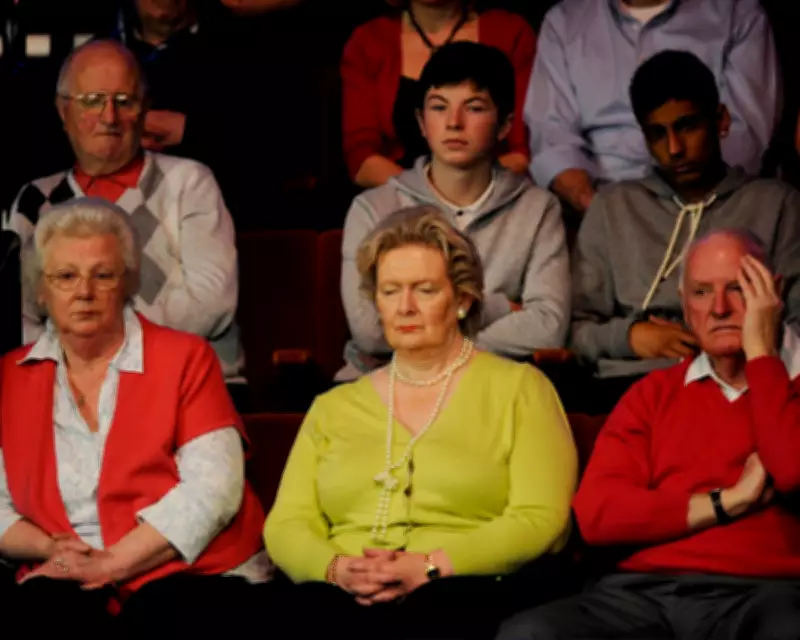
In the world of theatre, timing is everything, and according to a compelling perspective, all performances should either be less than two hours or exceed five hours to truly captivate audiences. This golden rule highlights a critical insight: medium-length plays, often around three and a half hours, fall into a danger zone where restlessness can set in, making viewers feel as if the production has overstayed its welcome.
The Perfect Excursion: Short Plays Under Two Hours
A short play serves as the ideal theatrical snack, seamlessly fitting into daily life without demanding excessive time. If the show disappoints, audiences are not held hostage for long, minimizing frustration. Conversely, a high-quality short performance allows for a delightful evening, bookended by meals or drinks, or even an early return home. The common format of "two hours and 10 minutes including a 20-minute interval" often feels cumbersome; streamlining it to a continuous 110 minutes could enhance the experience, making it more engaging and less fragmented.
The Danger Zone: Medium-Length Plays
Three and a half hours represents a precarious threshold, frequently used for unabridged classics. Unfortunately, artists sometimes overlook how time impacts both body and mind, leading to audience restlessness. In these cases, the play can feel like it has monopolized the day, creating a sense of intrusion rather than immersion. This length often fails to harness time as an artistic element, resulting in a disconnect that diminishes the overall impact.

The Feast of Endurance: Long Plays Over Five Hours
Extending beyond five hours transforms the theatrical experience entirely. Time ceases to be an external factor and becomes integral to the art itself. Audiences confront their attention spans, while performers endure physically and mentally. When a play dominates the day, life rearranges around it, with intervals or dinner breaks still centered on the performance. This creates a unique alchemy between actors and audience, as well as among strangers committed to sharing the journey, freeing everyone from time's usual constraints.
Memorable Long Performances
Examples abound of long plays that masterfully incorporate time. Nature Theater of Oklahoma's 10-hour Life and Times: Episodes 1–4 evolved into a surreal fever dream, blurring reality and madness. During Belvoir's seven-hour Angels in America, the sunset dinner break merged the local pub with the fantastical 1980s New York City setting. Ivo van Hove's six-hour Roman Tragedies used an onstage timer to build tension, counting down to each death. In Gatz, an eight-and-a-half-hour rendition of The Great Gatsby, a small desk clock added mystery, leaving audiences to wonder if actors or characters controlled time. Nat Randall and Anna Breckon's 24-hour The Second Woman, with 100 repetitions of a single scene, lingered in minds long after viewing.
Embracing the Extremes
While long run times may initially daunt audiences, they offer high risk and high reward, providing a sense of care and full artistic embrace rarely found elsewhere. Short plays act as perfect snacks for everyday life, while long plays serve as feasts of endurance. Incorporating both into one's cultural diet enriches the theatrical experience, avoiding the pitfalls of the middle ground. Ultimately, whether brief or extended, theatre thrives when time is thoughtfully wielded as a creative force.