Student Debt Forgiveness Transforms Lives for Lucky Few Americans
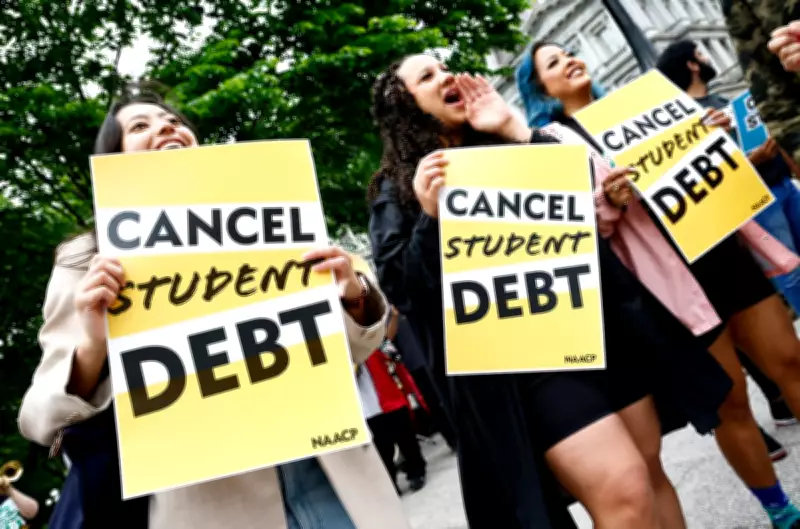
In a nation where approximately 43 million Americans carry student loan debt totaling nearly $1.7 trillion, only a small fraction have experienced the transformative relief of having their balances erased. For those fortunate individuals, loan forgiveness has reshaped financial futures, unlocked new career opportunities, and enabled long-delayed life plans, offering a stark contrast to the ongoing struggles of millions still awaiting relief.
The Life-Changing Impact of Loan Cancellation
Laura Kluss, a 41-year-old clinical social worker from Sacramento, California, exemplifies the profound impact of student debt forgiveness. Her six-figure loan was forgiven at the end of 2025 through the Public Service Loan Forgiveness Program after years of government service working with inmate populations and veterans. "At a $0 balance now, I can make plans for my future and not have the loan on my shoulders," Kluss explained. "With loan forgiveness, I have flexibility to move into private industry if I want to one day." Her story highlights how relief from crushing interest rates and debt burdens can create newfound financial freedom and career mobility.
Recent Developments in Federal Loan Forgiveness
Earlier this week, the US Department of Education began notifying approximately 164,000 additional federal student loan borrowers that they may be eligible for automatic loan forgiveness. This initiative targets individuals who attended one of more than 150 colleges accused of misconduct, including institutions found to have misled students through:

- Misrepresentations of graduation rates
- False claims about post-graduation employment outcomes
- Inaccurate information about the true cost of degrees
In such cases, borrowers may qualify to have their federal loans discharged, providing crucial financial relief for those victimized by predatory educational practices.
Personal Stories of Relief and Regret
For Kimberly, a Pennsylvania resident, student loan forgiveness felt like hitting the lottery. "I don't even use my degree for my employment," she revealed, noting that potential employers hadn't even heard of her online school. The forgiveness will now allow her to pay off other debts, including her mortgage and vehicle. She offered blunt advice: "College is a scam unless you are going to be a doctor or a lawyer. Learn a trade instead."
Ian Hobbs, a 43-year-old part-time adjunct professor from Arizona, experienced more complicated emotions despite his loan discharge. "It provides some relief emotionally and mentally," he acknowledged. "However, my debt has caused over a decade of rejections from mortgage loans and even job opportunities because of my massive debt-to-income ratio. I feel like I lost 10 years of my life, even with this loan forgiveness." His story underscores how the long-term financial damage from student debt can persist even after forgiveness.
The Ongoing Struggle for Many Borrowers
For borrowers still awaiting decisions, the prospect of forgiveness offers hope for stability. Jennifer Alfonso, a Florida resident with disabilities, has been waiting since February 19 for a decision on her Total and Permanent Disability Discharge application. "It would greatly affect my life because I wouldn't have to worry about payments being taken out of my SSDI check when I barely make enough as it is to live," she explained.
Alfonso's experience highlights the importance of carefully vetting educational institutions. She attended what was formerly called the National School of Technology, only to discover it wasn't accredited when she tried to transfer credits to Miami Dade Community College. "I went to school, paid all this money and for what? Nothing at all," she lamented.
Advice from Those Who've Learned Hard Lessons
Brad Hufeld, a retiree from Delaware, Ohio, has carried his student loan for 23 years after his school went out of business before he could graduate. "Make sure what you are signing and what happens if your school closes," he advised, reflecting on how his educational journey was interrupted by his mother's declining health and subsequent death.

Others nearing retirement emphasize how forgiveness could determine their ability to make ends meet. A Kentucky-based resident in her 60s who works at a bottling facility explained that relief would help stabilize her finances after filing Chapter 13 bankruptcy approximately two years ago. "I may be able to retire one day. As of now, I will not be able to do so," she said.
A 65-year-old semi-retired truck driver from Texas echoed this sentiment, noting that his 30-year-old truck driving certification debt continues to affect his credit. His advice to prospective students: "Do your homework before you go head first into something you will regret."
These personal accounts collectively illustrate both the transformative power of student debt forgiveness for the lucky few who receive it and the ongoing challenges facing millions of Americans still burdened by educational loans. The stories reveal complex intersections of financial relief, educational accountability, and long-term consequences that continue to shape the national conversation about higher education financing and debt relief policies.