Student Loan Repayment Threshold Freeze to Impact Middle-Income Graduates
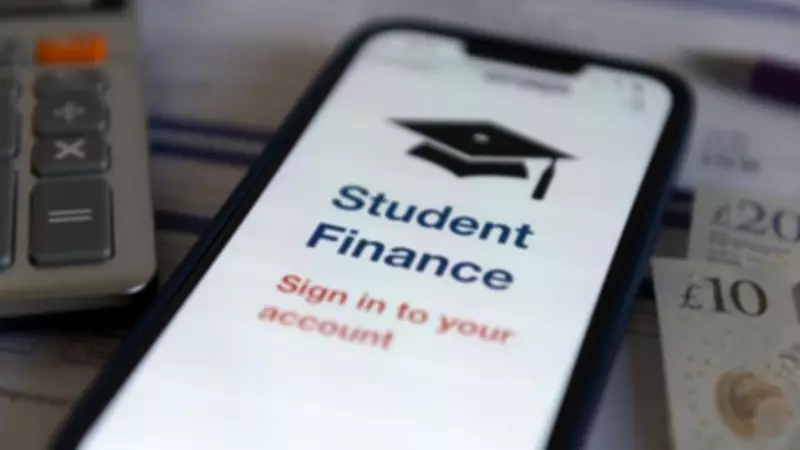
In a significant move announced during the November budget, Chancellor Rachel Reeves revealed that the salary threshold for student loan repayments will be frozen for three years starting in April 2027. This decision is expected to have profound financial implications for many graduates across the United Kingdom.
Financial Burden on Graduates
Experts have highlighted that middle-income earners will bear the brunt of this policy change. According to Charlene Young, a senior pensions and savings expert at AJ Bell, the freeze could result in graduates facing an additional £250 per year in deductions from their paychecks by the time the threshold is adjusted again in 2030.
Over the lifetime of a loan, this could translate to nearly £10,000 in extra repayments for individuals who maintain student loan deductions for the full 30-year term. However, the exact impact remains uncertain and may vary based on inflation rates and individual financial circumstances.

Details of the Loan Repayment Changes
The freeze specifically targets Plan 2 loans, which were issued to undergraduate students who began their university studies between 2012 and 2023, a period when annual tuition fees rose to £9,000. Under this plan, graduates are required to repay 9% of their income above the current threshold of £28,470, with interest charged at the Retail Prices Index (RPI) plus up to 3%, depending on their salary level.
This structure has already led to many graduates seeing their debt increase even after making substantial repayments post-university. The chancellor confirmed that the Plan 2 repayment threshold will increase to £29,385 by April 2027 before the freeze takes effect. It is important to note that this change does not apply to students on Plan 5 loans, which were introduced for those starting university from 2023 onward.
Who Will Be Most Affected?
Young explains that the freeze will have a minimal impact on low-income earners, as those below the threshold will not be required to make any repayments. However, she warns that some individuals might be drawn into the repayment net due to the freeze, whereas they might have otherwise remained below it if the threshold had increased with inflation.
For higher-income graduates, the changes mean additional deductions from their pay, along with higher interest rates on their debt, ultimately leading to increased total repayment amounts. The most significant impact, however, will be felt by middle-income graduates. Those who never fully repay their loans but endure higher repayment costs over 30 years will face particularly adverse consequences from this policy shift.
The ongoing debate surrounding student loans continues to focus on the fairness and long-term financial burden on graduates, with this latest development adding to the concerns about accessibility and affordability in higher education.