Croydon Community Mobilization Prevents Anticipated School Violence
Croydon stood united against a viral threat that had spread panic through online channels, as the borough's extensive network of community organizations, police, and youth groups successfully prevented what had been billed as "Croydon Wars" youth violence on Friday, February 27. The anticipated clashes between schools, promoted through AI-generated "Red vs Blue" posters, failed to materialize despite weeks of national media attention and parental anxiety.
Coordinated Response Overcomes Viral Panic
A significant police presence was deployed throughout Croydon in anticipation of potential conflicts, with officers stationed at key transport hubs including East and West Croydon stations and throughout the town center. The Local Democracy Reporting Service observed pupils pouring out of numerous school gates during peak dismissal times, with the atmosphere remaining remarkably calm despite initial fears.
"We show up because youth safety is a daily reality, not a viral moment," declared Croydon Community Action, reflecting on the successful community response. Aside from a limited number of routine stop-and-searches observed around transportation centers, there were no reports of the feared fights taking place as students gathered at bus stops and shopping areas.

Community Organizations Take Proactive Stance
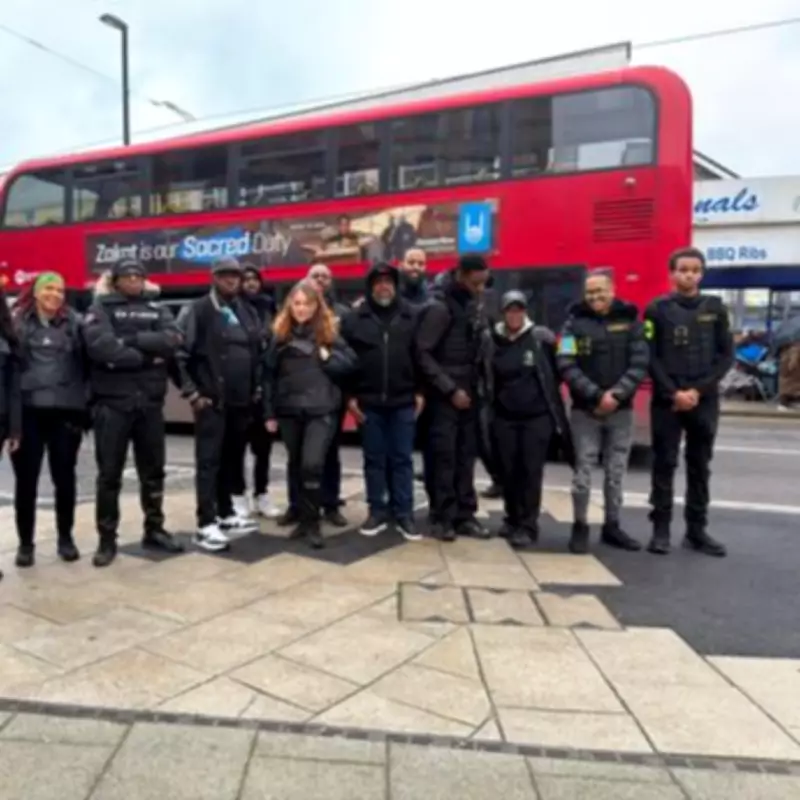
Multiple community groups mobilized alongside police in a coordinated outreach effort, patrolling key routes and maintaining visible presence throughout the afternoon. Organizations including Croydon Community Action, New Era Croydon, P4YE, ANOS, Play Place, FazAmnesty, the London Road Business Association, Majestic Community Care Services, and various faith groups participated in the collective response.
Youth clubs such as Legacy Youth Zone, Reaching Higher, and the Croydon Voluntary Action Centre on London Road remained open to the public, while security was enhanced at the Whitgift and Centrale shopping centers. This comprehensive approach followed weeks of strategic meetings between community groups, headteachers, council officials, and Metropolitan Police representatives.
Political and Community Leaders Express Pride
"It has been a great example of partnership working, and I'm so proud of Croydon today," stated Labour mayoral candidate Rowenna Davis, who stood with parents and students at the busy West Croydon bus garage. "This is exactly the kind of support young people need when something like this happens."
A Police Community Support Officer noted the consistency of their presence at key locations, explaining that their regular patrols at bus stops had established these areas as safe spaces for young people. "This is nothing new," she emphasized. "We do the same thing here day in, day out. I think young people see this bus stop as a safe place nowadays."
Parental Anxiety and Student Perspective
For many parents, the viral threat generated genuine concern. Sharon, a mother of two, expressed her initial worry after encountering the information online, noting the difficulty in distinguishing reality from digital misinformation. Some parents reportedly kept their children home from school or accompanied them to and from school gates as precautionary measures.
Ben, a secondary school student, acknowledged the weeks of discussion surrounding the trend, stating that while school officials had addressed the situation, the origin of the online phenomenon remained unclear to students.
Broader London Context and AI-Generated Trends
The "Red vs Blue" trend extended beyond Croydon, affecting several London boroughs. In Greenwich, police implemented a Section 35 dispersal order to prevent planned school fights connected to the same online phenomenon. The source of the trend remains unidentified, continuing a pattern of AI-generated content targeting the borough.
Croydon has recently been subject to other forms of "AI slop" videos, including false depictions of individuals wearing balaclavas in schools and misleading representations of local facilities. These digital manipulations have contributed to broader concerns about misinformation and its impact on community safety perceptions.

Reflections on Fear and Community Resilience
In a reflective Instagram post, Croydon Community Action highlighted the disparity between viral fear and consistent community support. "February 27 was a powerful reminder of how quickly fear spreads and how slowly real support often follows," the organization stated, noting that while the viral post triggered emergency meetings and heightened official presence, grassroots organizations were already prepared through their daily work with young people.
The organization expressed both inspiration at the community unity and frustration that a rumor was required to mobilize broader attention to ongoing youth safety concerns. "Youth violence and knife crime do not happen once. They do not go viral once; they are constant," they emphasized, praising young people for demonstrating greater maturity than many adults in not fueling the panic.
Despite the successful prevention of violence, the incident had tangible consequences, generating anxiety among children and worry within families based on unverified online content. The event underscores the challenges communities face in navigating digital misinformation while maintaining safety and cohesion.